
The European Commission has referred Italy to the Luxembourg-based Court of Justice for two serious and long-standing environmental violations related to air pollution and sewage disposal. This decision adds to a list of ongoing cases against Italy on environmental issues, highlighting the country’s failure to meet EU standards and regulations.
Environmental Inadequacies in Italy: A Long-Standing Problem
In this case, EU officials focused primarily on Italy’s repeated failure to meet limits on nitrogen dioxide (NO2) emissions in ten inhabited areas affecting around seven million people. The EU limit for NO2 emissions is set at two levels: one annual average of 40 micrograms per cubic meter and an hourly maximum of 200 micrograms per cubic meter, not to exceed for more than 18 days a year.
Milan, Turin, Brescia, and Bergamo were among the cities targeted due to their high NO2 emission rates. The Commission also pointed out other major urban areas like Rome, Genoa, Florence, Campobasso, and Catania. Additionally, the coastal Tuscany and certain industrial zones in Sicily were included in the list.
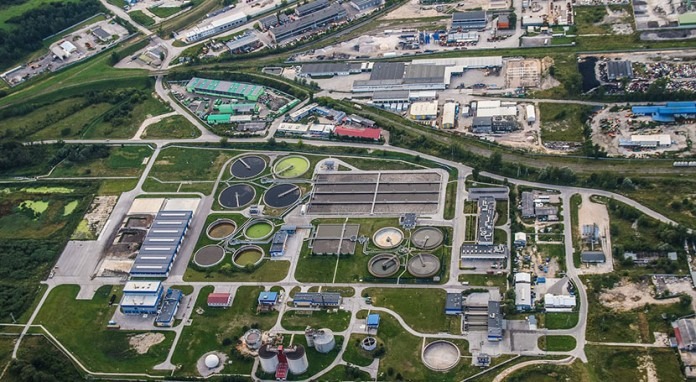
The failure of Italy’s sewage disposal system is equally concerning. Over 700 municipalities and 30 sensitive environmental areas with more than 2,000 residents fail to adhere to EU regulations on sewage disposal. The Commission criticized the inadequacy of wastewater treatment systems in these areas, citing a lack of investment and maintenance as the primary reasons.
A Pattern of Inadequacies: Italy’s Environmental Issues
This is not the first time Italy has been at the center of Brussels’ attention for such violations, which have cost the country millions in fines. A similar case dates back to May 2018 when the Court of Justice established that Italy had failed to implement EU rights on sewage disposal and collection. This resulted in a €25 million fine plus an additional €30 every six months of non-compliance.
Italy’s environmental issues are not limited to air pollution and sewage disposal. The country has faced criticism for its handling of waste management, with concerns over the lack of effective recycling programs and inadequate waste-to-energy facilities. Additionally, Italy’s forests have been under pressure due to deforestation and logging practices, which threaten biodiversity and ecosystem health.
The Consequences of Environmental Inadequacies
The environmental inadequacies in Italy have serious consequences for public health and the economy. Exposure to poor air quality can lead to respiratory problems, cardiovascular disease, and even premature death. Similarly, inadequate sewage disposal systems can contaminate water sources, posing risks to human health and ecosystems.
Furthermore, environmental degradation can have economic costs, particularly in industries such as tourism and agriculture. Poor air quality can affect the viability of crops, while pollution from sewage can lead to reduced property values and increased healthcare costs.
Expert Opinion: Addressing Environmental Inadequacies
Andrea Minutolo, Legambiente’s Science Office Coordinator, commented on the matter in an interview with TG2000: “It’s not new; we expected it. On air pollution and sewage treatment, Italy has several precedents for non-compliance: four for sewage, two for atmospheric pollution, and more are coming soon. To escape the environmental emergency, we need a structural and multidisciplinary intervention, targeting traffic, heating, and industries. As for sewage treatment, there should be a willingness to invest in upgrading existing facilities, rather than just increasing funding.”
Minutolo noted that, while €90 million has been allocated by the government over the next two years to address sewage issues, more investment is needed to improve and expand current sewage infrastructure.
Investment and Funding: A Key to Addressing Environmental Inadequacies
Addressing Italy’s environmental inadequacies will require significant investment and funding. The government has already committed €90 million to upgrading sewage systems, but this amount is unlikely to be sufficient to address the scale of the problem.
Industry stakeholders, including companies operating in Italy, must also play a critical role in addressing environmental concerns. This can involve implementing more efficient technologies, reducing emissions, and adopting sustainable practices.
International Cooperation: A Crucial Component
Italy’s environmental issues are not isolated problems but rather symptoms of broader global challenges. International cooperation is essential for sharing best practices, exchanging expertise, and coordinating efforts to address shared environmental goals.
The EU has a critical role to play in promoting international cooperation on environmental issues. By providing technical assistance, funding, and capacity-building programs, the EU can support Italy’s efforts to address its environmental inadequacies.
Conclusion
We look forward to future developments with hopes they lead to positive outcomes for environmental protection and public health in Italy. The European Commission’s referral of Italy to the Luxembourg-based Court of Justice highlights the need for a concerted effort from government, industry stakeholders, and international partners to address the country’s environmental inadequacies.
Ultimately, addressing these issues will require a commitment to long-term sustainability and a willingness to invest in environmental protection measures. By working together, we can ensure that Italy’s environmental problems do not become an enduring legacy of neglect and complacency.
Recommendations for Italy
- Increase investment in sewage infrastructure: The government must commit to upgrading existing sewage systems and investing in new infrastructure to improve waste management and reduce pollution.
- Implement sustainable transportation policies: Italy can reduce emissions by promoting the use of electric vehicles, improving public transportation, and investing in pedestrian-friendly and cycling infrastructure.
- Promote sustainable agriculture practices: Italian farmers can adopt more environmentally friendly agricultural practices, such as organic farming and agroforestry, to reduce pollution and promote biodiversity.
- Enhance public awareness and education: Raising public awareness about environmental issues is critical for inspiring individual action and promoting behavioral change.
Recommendations for the European Commission
- Provide technical assistance and funding: The EU should continue to provide technical assistance and funding to support Italy’s efforts to address its environmental inadequacies.
- Strengthen monitoring and enforcement mechanisms: The EU must strengthen monitoring and enforcement mechanisms to ensure compliance with environmental regulations and standards.
- Promote international cooperation: The EU should promote international cooperation on environmental issues, sharing best practices and coordinating efforts to address shared global challenges.
By working together, we can ensure that Italy’s environmental problems are addressed in a comprehensive and sustainable manner, protecting public health and promoting long-term economic growth.


