
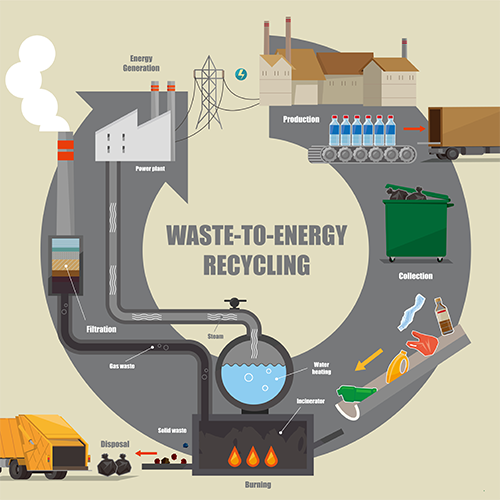
The Italian San Luigi Gonzaga hospital in Orbassano, Turin, has embarked on a groundbreaking pilot project to transform the way it handles hazardous medical waste. In collaboration with Fotorecuperi, a Torinese company specializing in treating special waste, they’re pioneering a “Smart Hospital” concept that converts non-recyclable waste into usable energy.
As cities around the world strive for sustainability and digitalization, this innovative approach is redefining the boundaries of hospital waste management. The pilot project aims to introduce the Smart Hospital concept, an intelligent system that leverages cutting-edge technology to minimize environmental impact while ensuring public health safety.
Background: The Problem of Hazardous Medical Waste
Hospitals generate a significant amount of hazardous medical waste (HMW), including infectious materials and chemicals that require specialized disposal. Traditional methods of waste management often involve expensive incineration processes, which can be inefficient and environmentally damaging. This pilot project seeks to address these challenges by developing an innovative system for transforming non-recyclable HMW into a usable energy source.
How the Smart Hospital System Works
Developed in collaboration with the Politecnico di Torino, the San Luigi Gonzaga hospital’s smart waste management system utilizes advanced technologies to minimize environmental impact. The system is designed to be more cost-effective than existing incineration methods, while ensuring safe and efficient disposal of hazardous medical waste.
Here are some key features of the Smart Hospital system:
- Sterilization and Conversion: The system allows for the sterilization of non-recyclable HMW and its conversion into a combustible material that can be used as fuel in industrial processes.
- Energy Generation: The generated energy is clean and renewable, making it an attractive alternative to fossil fuels.
- Cost Savings: The pilot project estimates a 15-30% reduction in waste management costs for the hospital.
Benefits of the Smart Hospital Initiative
The Smart Hospital initiative offers several benefits, including:
- Reduced Environmental Impact: By converting non-recyclable HMW into energy, the system minimizes environmental pollution and greenhouse gas emissions.
- Improved Public Health Safety: The sterilization process ensures that hazardous medical waste is safely disposed of, reducing the risk of infection and disease transmission.
- Cost Savings: The system’s efficiency and reduced costs make it an attractive solution for hospitals looking to optimize their waste management practices.
Technological Components
The Smart Hospital initiative employs a range of advanced technologies to ensure efficient and effective waste management. These include:
- High-Temperature Plasma Arc Gasification (HTPA) Technology: This technology is used to break down non-recyclable HMW into a combustible material that can be converted into energy.
- Advanced Air Filtration Systems: These systems are designed to capture and remove pollutants from the air, reducing emissions and improving public health safety.
- Renewable Energy Generation: The system uses renewable energy sources, such as solar or wind power, to generate electricity and reduce dependence on fossil fuels.
Implementation Strategy
The Smart Hospital initiative will be implemented in three phases:
- Pilot Project Phase: A pilot project will be conducted at the San Luigi Gonzaga hospital to evaluate the effectiveness of the system.
- Scale-Up Phase: Once the pilot project has been successful, the system will be scaled up for implementation at hospitals worldwide.
- Ongoing Evaluation and Improvement: The Smart Hospital initiative will undergo ongoing evaluation and improvement to ensure that it remains effective and efficient.
Conclusion
The Smart Hospital initiative represents a significant step forward in hospital waste management. By leveraging advanced technologies to convert non-recyclable hazardous medical waste into energy, the pilot project sets a new standard for sustainable waste management. As cities around the world strive for environmental sustainability and digitalization, this innovative approach is poised to revolutionize the way we think about hospital waste management.
Frequently Asked Questions
- What is the Smart Hospital initiative?
The Smart Hospital initiative is a pilot project that converts non-recyclable hazardous medical waste into usable energy. - How does the system work?
The system sterilizes non-recyclable HMW and converts it into a combustible material that can be used as fuel in industrial processes. - What are the benefits of the Smart Hospital initiative?
The system reduces environmental impact, improves public health safety, and offers cost savings for hospitals. - Will the Smart Hospital initiative be implemented globally?
While the pilot project is specific to San Luigi Gonzaga hospital, the innovative approach has the potential to be scaled up and adopted by hospitals worldwide. - What are the next steps in the development of the Smart Hospital system?
The pilot project will continue to evaluate its effectiveness and identify areas for improvement before being implemented on a larger scale.


