
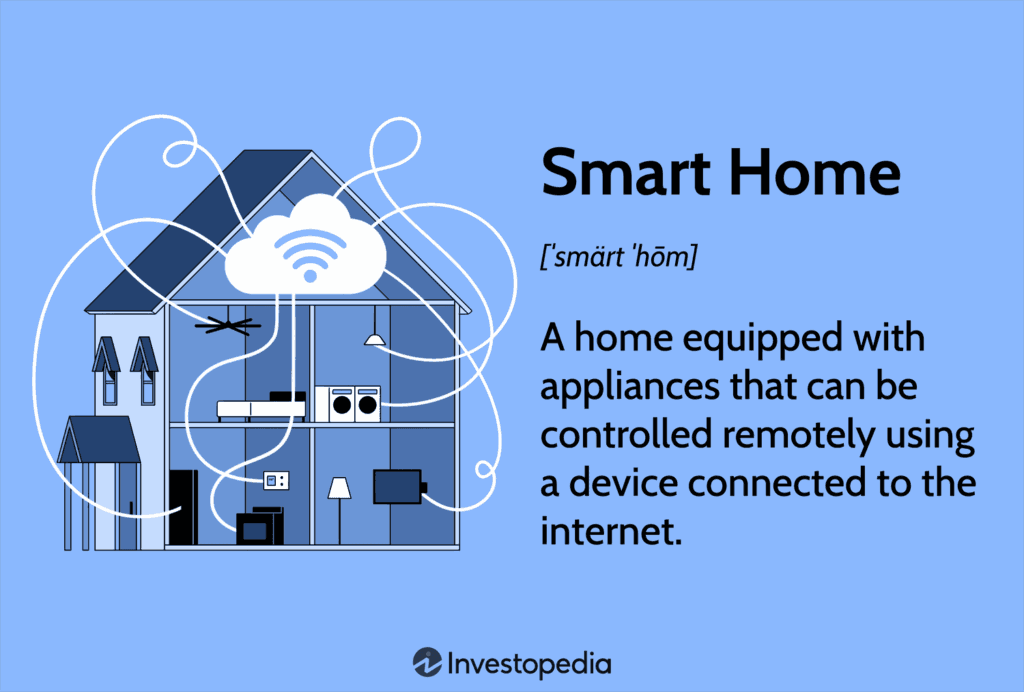
The concept of smart home has been gaining popularity in recent years, and it’s not hard to see why. With the integration of technology and the Internet of Things (IoT), a smart home can be controlled remotely, making life easier and more convenient for its occupants. In this article, we’ll delve into the world of smart homes, exploring what they are, their benefits, and how they work.
What is a Smart Home?
A smart home is not a single definition, but rather a broad term that encompasses various technologies designed to make our living spaces more comfortable, efficient, and secure. At its core, a smart home is a structure equipped with domotiches (smart home devices) that allow occupants to program, automate, and remotely manage the devices and appliances within the house.
Smart Home vs. Domotica
While often used interchangeably, “domotica” refers specifically to the technology behind smart homes. This includes various systems and components designed to control lighting, temperature, security, and more. Think of it as the “brain” of a smart home, enabling automation and remote control.
Benefits of Smart Homes
The primary objectives of a smart home are three-fold:
- Energy Efficiency: By controlling energy consumption, smart homes can help reduce waste and lower utility bills.
- Security: With advanced security systems, occupants can enjoy peace of mind knowing their property is protected from intruders.
- Comfort: Smart homes offer unparalleled comfort, allowing users to tailor their living space to their specific needs.
Real-World Examples
To illustrate the potential of smart homes, consider these practical applications:
- Remote control of thermostats and air conditioning units via Wi-Fi or smartphone apps
- Automated household appliances, such as washing machines and refrigerators, that can be programmed to run when energy rates are low
- Smart lighting systems with motion sensors and color-changing capabilities
- Home security systems with video cameras, doorbell cameras, and smart locks
The Internet of Things (IoT)
As technology advances, the Internet of Things (IoT) is becoming increasingly important in smart homes. IoT enables devices to communicate with each other and with the internet, creating a seamless experience for occupants.
How Smart Homes Work
Smart home systems typically consist of various components, including:
- Hub: A central unit that connects all smart devices and controls their interaction.
- Controllers: Devices that manage specific functions, such as lighting or temperature control.
- Sensors: Gadgets that detect changes in the environment and trigger automated responses.
Types of Smart Home Systems
Smart home systems can be categorized into two main types:
- Centralized: In this system, all devices are connected to a central hub, allowing for seamless communication and control.
- Decentralized: This type of system uses individual controllers and sensors, which communicate with each other through a local network.
Smart Home Automation
Smart home automation refers to the ability to program and automate various functions within the house. Automation can be achieved using:
- Voice Assistants: Devices like Amazon Alexa or Google Assistant that respond to voice commands.
- Mobile Apps: Smartphones apps that allow users to control smart devices remotely.
- Touch Screens: Graphical interfaces that enable users to interact with smart home systems.
Smart Home Security
Security is a top priority when it comes to smart homes. Some common security measures include:
- Biometric Authentication: Using facial recognition, fingerprint scanning, or iris scanning to verify identities.
- Video Surveillance: Installing cameras to monitor the property and detect potential threats.
- Motion Sensors: Devices that detect movement and trigger automated responses.
Smart Home Lighting
Smart home lighting systems are designed to optimize energy efficiency while providing convenience and style. Some popular features include:
- Color-Changing Capabilities: Lights that can change colors in response to different settings or scenes.
- Dimming and Brightness Control: Ability to adjust light levels and brightness remotely.
- Motion Sensing: Devices that automatically turn lights on or off based on movement.
Smart Home Heating and Cooling
Smart home heating and cooling systems allow users to optimize energy consumption while maintaining a comfortable environment. Some features include:
- Temperature Control: Ability to set desired temperatures remotely.
- Scheduling and Timers: Users can program devices to run at specific times or schedules.
- Energy Monitoring: Real-time data on energy usage, helping users identify areas for improvement.
Smart Home Entertainment
Smart home entertainment systems integrate various media sources into a single platform. Some popular features include:
- Streaming Services: Integration with services like Netflix or Hulu for streaming content.
- Music Control: Ability to play music from different devices using a central hub.
- Voice Command: Users can control smart speakers and other audio devices using voice commands.
Smart Home Maintenance
Regular maintenance is essential to ensure the longevity of smart home systems. Some recommended tasks include:
- Software Updates: Regularly updating software to maintain security and performance.
- Hardware Cleaning: Keeping hardware clean and free from dust to prevent overheating or damage.
- Device Testing: Periodically testing devices to ensure they are functioning correctly.
Conclusion
Smart homes are revolutionizing the way we live, work, and interact with our living spaces. By harnessing the power of domotica and the Internet of Things (IoT), smart homes can provide unparalleled comfort, efficiency, and security. Whether you’re looking to upgrade your current home or build a new one from scratch, understanding what makes a smart home is essential.
Frequently Asked Questions
- What is the main objective of a smart home?
- The primary objectives of a smart home are energy efficiency, security, and comfort.
- Can I control my smart home devices remotely?
- Yes, most smart home devices can be controlled remotely using smartphone apps or voice assistants.
- How does the Internet of Things (IoT) relate to smart homes?
- IoT enables devices to communicate with each other and with the internet, creating a seamless experience for occupants.
- What are some common applications in a smart home?
- Examples include remote control of appliances, automated lighting systems, security systems, and more.
- Can I use my smartphone to monitor energy consumption?
- Yes, many smart home devices provide real-time energy usage data, allowing you to track your consumption.
- Is it possible to integrate multiple devices into a single system?
- Absolutely! Smart home systems can seamlessly integrate various devices and functions.
- How do I ensure the security of my smart home?
- Implementing robust security measures, such as strong passwords, two-factor authentication, and secure communication protocols, is essential.
- Can I use a smart home system to control external devices, like outdoor lighting or security cameras?
- Yes, many smart home systems can integrate with external devices, providing comprehensive coverage of your property.


