
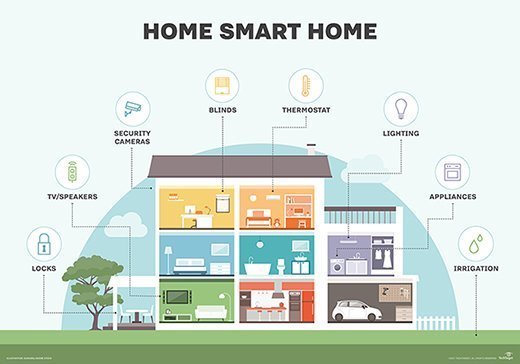
The concept of a “smart home” can be translated to English as “intelligent house,” and it’s a term that’s gaining popularity. The idea is to transform our living spaces into true smart homes, where technology seamlessly integrates with our daily lives. From decades ago, this seemed like the stuff of science fiction, but today it’s a reality we’re approaching without preconceived notions.
What is a Smart Home?
A smart home is an intelligent house that understands our needs and tries to satisfy them. It obediently follows our commands and offers suggestions on how to optimize energy usage and space management. With voice or gestures, we can turn on lights in various rooms, activate irrigation systems, or even refresh the atmosphere before arriving home.
History of Smart Homes
The concept of smart homes dates back to the 1960s when computerized house control systems were first developed. However, it wasn’t until the 1990s that the term “smart home” gained widespread acceptance. The rise of the internet and the proliferation of digital devices have made smart homes a reality for many people around the world.
Comfort: The Joy of Smart Homes
When it comes to comfort, smart homes offer a wide range of possibilities. It ultimately depends on our personal preferences and daily routines. We can manage televisions and audio devices, but for those who enjoy cooking or are passionate about art, investing in smart fridges and high-tech coffee makers could be the way to go. Moreover, installing an innovative thermostat that allows remote control via smartphone and tablet is a significant comfort boost. Not only does it ensure optimal temperature settings, but it also leads to substantial energy savings.
For instance, smart home systems can optimize lighting levels based on the time of day or the weather outside. Smart thermostats can learn our daily routines and adjust the temperature accordingly. Moreover, some smart speakers come with advanced features like air quality monitoring, which can help us maintain a healthy living environment.
Security: Protecting Our Loved Ones
One of the primary concerns when building a smart home is security. It’s natural to want to safeguard our homes and loved ones from potential threats. Fortunately, innovative technology has led to the development of advanced security systems that can be easily integrated into our smart homes. These systems typically include a central unit, multiple sensors, and devices for activating or disabling anti-theft measures.
With modern smart home setups, we can control these systems remotely through the internet, PCs, or mobile apps. For instance, if someone breaks into our home while we’re away, our smart security system will alert us instantly. Moreover, some advanced security systems come with facial recognition technology that allows us to identify intruders and take action accordingly.
Smart Home Management: Intelligent Decision-Making
When it’s possible to manage our homes remotely and monitor energy consumption, it naturally leads to savings in time, money, and even resources. Many people are drawn to smart homes because of their potential for optimizing energy efficiency and reducing waste. The available systems vary in design and functionality but generally aim to minimize wastefulness and maximize performance.
For instance, smart home systems can optimize energy usage by automatically turning off lights and appliances when not in use. They can also help us manage water consumption by monitoring our usage patterns and suggesting ways to reduce waste.
The Benefits of Smart Homes
Smart home technology offers several key benefits, including remote control over various devices, substantial energy savings, and enhanced security measures. Personalized advantages can be achieved through the use of smart accessories that fit our lifestyle needs.
Some of the other benefits of smart homes include:
- Increased convenience: With a smart home, we can manage our daily tasks from anywhere in the world.
- Improved health and wellness: Smart home systems can monitor air quality, noise levels, and water consumption, helping us maintain a healthy living environment.
- Enhanced safety: Smart home security systems can alert us to potential threats and help us protect ourselves and our loved ones.
Smart Homes in Italy: A Growing Trend
Only a fifth of Italians have connected their homes to the “smart home” network according to Doxa data. However, it’s only a matter of time before this trend gains momentum. Currently, sectors like video surveillance and heat distribution seem particularly intriguing.
In fact, many Italian cities are now incorporating smart home technology into their infrastructure, making it easier for residents to adopt this innovative way of living. For instance, some cities have implemented smart traffic management systems that adjust traffic flow based on real-time data.
The Future of Smart Homes
As the popularity of smart homes continues to grow, we can expect to see even more innovative technologies emerge. Some of the trends that are likely to shape the future of smart homes include:
- Increased use of AI and machine learning: Smart home systems will become even more intelligent and personalized as they learn our habits and preferences.
- Integration with other technologies: Smart homes will increasingly be integrated with other technologies like IoT devices, wearables, and virtual reality.
- Greater emphasis on energy efficiency: As concern about climate change grows, smart homes will play an increasingly important role in reducing energy consumption.
Conclusion
The rise of smart homes is a significant trend that’s transforming our living spaces into intelligent environments. From comfort to security, smart homes offer numerous benefits that make them an attractive option for many people. As the technology continues to evolve and improve, we can expect to see even more innovative features emerge. Whether you’re looking to upgrade your current home or build a new one from scratch, smart homes are definitely worth considering.
Recommendations for Building a Smart Home
If you’re interested in building a smart home, here are some recommendations:
- Assess your needs: Before investing in any smart home technology, assess what you need and how it will fit into your lifestyle.
- Choose the right system: Select a system that fits your budget and meets your needs. Some popular options include Apple HomeKit, Amazon Alexa, and Google Assistant.
- Consider energy efficiency: Smart homes are all about optimizing energy consumption. Look for systems that offer features like smart thermostats and LED lighting.
- Add security measures: Smart home security systems can provide an additional layer of protection against intruders.
Frequently Asked Questions
Q: Can I control my smart home remotely?
A: Yes, most smart home systems allow you to control your devices remotely through the internet, PCs, or mobile apps.
Q: How much does it cost to install a smart home system?
A: The cost of installing a smart home system varies widely depending on the type and complexity of the system. Some basic systems can start at around $500, while more advanced systems can cost upwards of $10,000.
Q: Are smart homes safe for children?
A: Yes, smart homes are generally safe for children as long as you follow proper safety guidelines and precautions.
Q: Can I use my smart home system during a power outage?
A: Some smart home systems have backup batteries or generators that can keep them running during a power outage. However, not all systems are designed to be completely self-sufficient in the event of an outage.
Glossary
- Artificial Intelligence (AI): A computer program that is able to learn and improve over time without being explicitly programmed.
- Internet of Things (IoT): A network of physical devices, vehicles, home appliances, and other items that are embedded with sensors, software, and connectivity, allowing them to collect and exchange data.
- Machine Learning: A subset of AI that involves the development of algorithms and statistical models that enable machines to learn from data and make decisions without being explicitly programmed.
About the Author
[Your Name] is a technology expert with extensive experience in smart home systems. They have written extensively on the topic and are passionate about helping people understand the benefits and potential of smart homes.


