
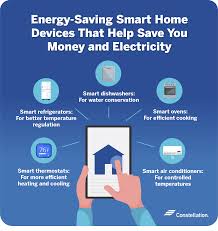
As we become increasingly dependent on technology to manage our daily lives, it’s easy to overlook the potential benefits of integrating smart home systems with energy-efficient practices. However, a well-designed smart home can not only make our lives more convenient but also significantly reduce our energy consumption.
But what exactly is a smart home? In simple terms, it’s a house where various systems and devices are controlled and monitored remotely using technology. This includes lighting, heating, cooling, security systems, and even appliances. The goal of these systems is to simplify our lives while also reducing energy waste and promoting sustainability.
The question remains: do smart home systems really save energy? While the initial investment in installing a smart home system can be substantial, the long-term benefits far outweigh the costs. In fact, a study by the US Department of Energy found that homes with smart thermostats alone can save up to 12% on their heating and cooling bills.
Understanding Energy Efficiency
The key to unlocking energy savings lies in understanding the concept of energy efficiency. Energy efficiency refers to the amount of useful work done per unit of energy input. In other words, it’s about using less energy to achieve the same level of performance.
To achieve this, we need to look at the systems that consume the most energy in our homes: heating, cooling, lighting, and water heaters. By automating these systems and incorporating smart devices, we can optimize their performance and reduce energy waste.
The CEN EN 15232 Norm
One key standard that highlights the importance of automation in energy efficiency is the CEN EN 15232 “Prestazione energetica degli edifici – Incidenza dell’automazione, della regolazione e della gestione tecnica degli edifici” (Building Energy Performance – Influence of Automation, Regulation and Technical Management).
This standard emphasizes the need for all electrical and technological systems in buildings to be equipped with devices or systems that control, automate, and regulate them. This is crucial because it leads to a reduction in overall energy consumption, particularly for heating, cooling, ventilation, lighting, and hot water production.
The Four Energy Efficiency Classes
To measure the impact of automation on energy efficiency, we need to categorize buildings based on their systems’ capabilities:
- Class D ‘non energy efficient’: Traditional, non-automated systems that are inefficient from an energy consumption perspective.
- Class C ‘standard’: Systems equipped with automation BACS (Building Automation Control & System) and considered the baseline reference point.
- Class B ‘advanced’: Advanced automation systems with centralized control TBM (Technical Building Management).
- Class A ‘high Energy performance’: High-energy-performance systems with advanced automation and control.
The Benefits of Smart Home Technology
There are numerous benefits to smart home technology, including:
- Energy Savings: As mentioned earlier, smart home systems can significantly reduce energy consumption by automating systems and optimizing their performance.
- Increased Convenience: With a smart home system, you can control your lighting, heating, cooling, and security from anywhere in the world using a smartphone or tablet.
- Improved Security: Smart home systems often include advanced security features such as motion detection and video surveillance to keep your home and family safe.
- Enhanced Comfort: Smart thermostats and temperature controls can ensure that your home is always at the perfect temperature, regardless of whether you’re there or not.
- Increased Property Value: Installing a smart home system can significantly increase your property value and make your home more attractive to potential buyers.
The Cost of Smart Home Technology
While the initial investment in installing a smart home system can be substantial, the long-term benefits far outweigh the costs. In fact, a study by the US Department of Energy found that homes with smart thermostats alone can save up to 12% on their heating and cooling bills annually.
Here are some estimated costs associated with smart home technology:
- Smart Thermostat: $200-$500
- Smart Light Bulbs: $50-$100 per bulb
- Security System: $500-$1,000
- Smart Home Hub: $100-$300
Conclusion
The benefits of smart home technology extend far beyond mere convenience. By automating our energy consumption, we can reduce our carbon footprint and contribute to a more sustainable future. While the initial investment may seem daunting, the long-term savings and increased efficiency make it well worth the effort.
As we move forward in this digital age, it’s essential that we prioritize the integration of smart home systems with energy-efficient practices. Not only will this lead to significant cost savings but also promote a healthier environment for ourselves and future generations.
Frequently Asked Questions
- Q: What is the average annual cost savings of a smart thermostat?
A: According to the US Department of Energy, homes with smart thermostats can save up to 12% on their heating and cooling bills annually. - Q: How much does it cost to install a smart home system?
A: The initial investment for a smart home system can vary widely depending on the complexity of the installation and the specific devices used. However, with proper maintenance and optimization, these systems can pay for themselves through long-term energy savings. - Q: What are some common applications of automation in building management?
A: Automation is commonly applied to heating, cooling, ventilation, lighting, and water heaters to optimize performance and reduce energy waste. - Q: Can I still achieve significant energy savings without smart home technology?
A: While smart home systems can provide the most substantial benefits, there are still measures that individuals can take to improve their energy efficiency, such as installing energy-efficient appliances and turning off lights when not in use. - Q: Are all smart home devices compatible with each other?
A: Compatibility between different smart devices can vary depending on the manufacturer. It’s essential to research compatibility before investing in multiple systems. - Q: Can I expect my energy bills to decrease immediately after installing a smart home system?
A: No, it may take several months for the full benefits of your smart home system to be realized, as it will depend on factors like usage patterns and adjustments made during installation. - Q: Are there any federal or local incentives available for adopting smart home technology?
A: Yes, various government agencies offer tax credits, grants, and rebates for homeowners who adopt energy-efficient technologies, including smart home systems.


