
Unlocking the Power of Smart Grids: A Revolutionary Approach to Energy Management
As we navigate the complexities of the modern energy landscape, it’s essential to understand the concept of smart grids and their far-reaching implications for our daily lives. In this article, we’ll delve into the world of smart grids, exploring what they are, how they work, and the numerous benefits they offer.
What is a Smart Grid?
A smart grid is a network that utilizes advanced technologies to manage energy distribution efficiently. This innovative system integrates producers and consumers, enabling real-time monitoring and control of energy flow. By leveraging intelligent technologies, smart grids optimize energy delivery, reducing waste and environmental impact.
Imagine a network comprising multiple smaller grids, each connected to facilitate information exchange between producers and consumers. This collaborative approach enables the efficient management of peak energy demands, minimizing interruptions and emissions.
The Benefits of Smart Grids
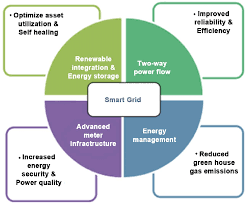
Smart grids offer numerous advantages for individuals, businesses, and the environment. By optimizing energy distribution, they:
- Reduce waste and minimize environmental impact
- Enhance energy security and reliability
- Promote renewable energy sources and reduce dependence on fossil fuels
- Improve energy efficiency and consumption patterns
How Smart Grids Work
At its core, a smart grid is a highly efficient network that leverages advanced technologies to manage energy distribution. This includes:
- Advanced sensors and monitoring systems: These are used to track energy usage in real-time, enabling the detection of anomalies and potential issues.
- Intelligent algorithms: These are used to optimize energy flow and predict demand based on historical data and real-time information.
- Communication networks: These facilitate information exchange between producers and consumers, ensuring seamless interaction.
By combining these elements, smart grids enable efficient interaction between producers and consumers, resulting in better management of energy distribution.
Smart Grids in Italy
Italy is at the forefront of smart grid implementation, with numerous initiatives aimed at promoting renewable energy sources and reducing environmental impact. By integrating smart grid technologies into existing infrastructure, Italian authorities aim to create a more efficient, sustainable, and resilient energy system.
The Italian government has implemented various programs to support the development of smart grids, including:
- Progetto PAN (Puglia Active Network): This initiative aims to modernize communication systems in Puglia, enabling real-time monitoring and control of energy distribution.
- Smart Grids for a Low Carbon Economy: This program focuses on promoting the adoption of smart grid technologies in Italian industries.
By embracing smart grid technologies, Italy can reduce its reliance on fossil fuels, decrease greenhouse gas emissions, and create new opportunities for economic growth.
Enel’s Smart Grid Efforts
Enel, one of Italy’s leading energy companies, is actively involved in the development of smart grids. Through initiatives like Progetto PAN (Puglia Active Network), Enel has successfully implemented modern communication systems, enabling real-time monitoring and control of energy distribution.
By leveraging smart grid technologies, Enel aims to enhance energy security, promote renewable energy sources, and reduce environmental impact. This approach aligns with the company’s sustainability goals, which focus on reducing greenhouse gas emissions and promoting a low-carbon economy.
The Role of Smart Grids in Addressing Climate Change
Smart grids play a critical role in addressing climate change by:
- Reducing greenhouse gas emissions: By optimizing energy distribution, smart grids can decrease the amount of energy wasted during peak demand periods.
- Promoting renewable energy sources: Smart grids enable the efficient integration of renewable energy sources into the energy mix, reducing dependence on fossil fuels and decreasing emissions.
The Future of Smart Grids
As we look to the future, it’s clear that smart grids will continue to play a vital role in managing our energy systems. By embracing advanced technologies and innovative approaches, we can unlock the full potential of smart grids and create a more sustainable, efficient, and resilient energy system for generations to come.
Conclusion
Smart grids represent a revolutionary approach to energy management, offering numerous benefits for individuals, businesses, and the environment. By understanding how smart grids work and exploring their applications, we can unlock the full potential of this innovative technology.
Q: What is the primary goal of smart grid systems?
A: The primary goal of smart grid systems is to optimize energy distribution efficiently, reducing waste and environmental impact while promoting renewable energy sources and improving energy security.
Q: How do smart grids work?
A: Smart grids utilize advanced technologies such as sensors, monitoring systems, and intelligent algorithms to track energy usage in real-time and predict demand. Communication networks facilitate information exchange between producers and consumers.
Q: What is the role of Enel in smart grid development?
A: Enel is actively involved in the development of smart grids through initiatives like Progetto PAN (Puglia Active Network), which aims to enhance energy security, promote renewable energy sources, and reduce environmental impact.
Q: How can smart grids benefit individuals?
A: Smart grids enable users to access real-time information on energy consumption and production, promoting energy efficiency and sustainability.
Q: What is the current state of smart grid implementation in Italy?
A: Italy is at the forefront of smart grid development, with numerous initiatives aimed at promoting renewable energy sources and reducing environmental impact.


