
As the world’s population grows at an alarming rate, our cities are becoming increasingly crowded. It’s time for a strategy that can “intelligently” incorporate this growth. We need solutions to optimize resource usage, redistribute them in a healthy manner, and build tools tailored to human needs. This is where Smart Cities, Smart Homes, and intelligent technologies come into play.
If the global crisis hits you and you’re unsure about your career path, know that the market for Smart Cities and Intelligent Technologies is expected to double by 2017. The prospect of a doubling market can be very attractive to entrepreneurs looking to invest in this sector.
When we talk about solar energy in Europe, estimates suggest investments of around €117 billion, a figure set to triple in the next few years. Similarly, industries related to Intelligent Technologies are expected to see significant growth. Urban systems and processes must become “user-friendly” and environmentally friendly, more accessible, and sustainable. This means that every task we perform on a daily basis will need to undergo a process of “digitalization,” starting with streamlining bureaucracy through municipal and civic administrations.
GBI Research has published a new report titled “Smart Cities Market to 2017: Intelligent Cities, the Market until 2017.” The report examines the changes cities must face to maintain livability. It covers:
- Smart Grids, intelligent power grids
- Smart Homes, intelligent homes
- Smart Buildings, intelligent buildings
- Sustainable mobility
- Smart Security, with accessible healthcare for all
- Industrial automation
All of this needs to be more comfortable and efficient, “user-friendly” so that everyone can access it with minimal environmental impact. Intelligent homes not only make life easier for residents by automating various tasks but also drastically reduce energy consumption, as seen in Japan where a smart home was able to cut electricity usage down by 88%. Imagine if all houses in your city were like this… how much money would the community save?
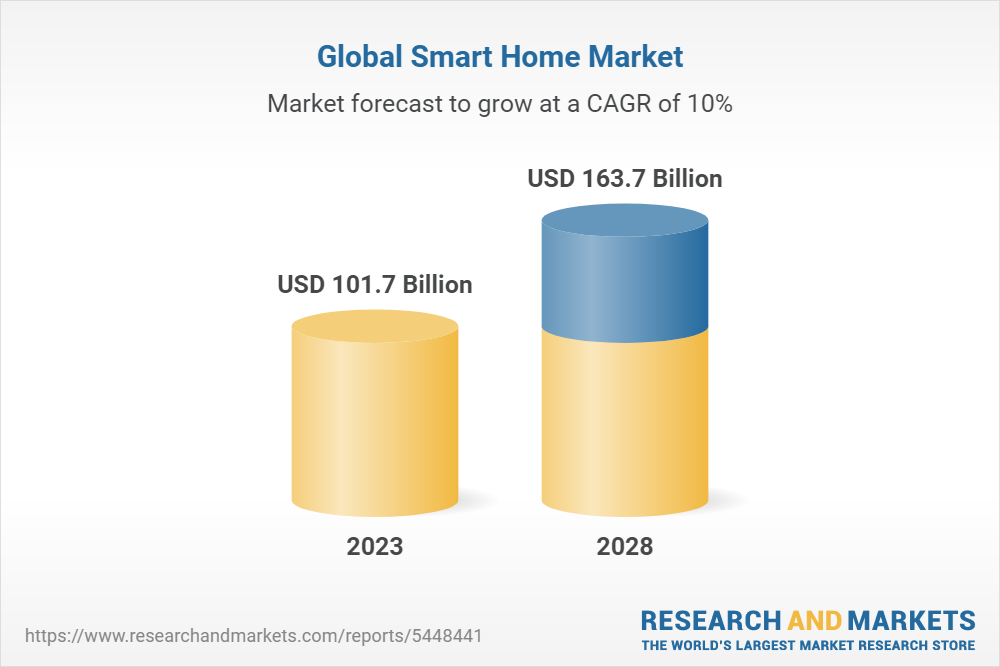
Beyond describing the impact of Smart Cities on communities, GBI Research’s report analyzed market trends. As shown in the graph, there is a significant increase: the market could potentially double within the next four years.
The Path to Sustainable Urban Development
To create sustainable urban environments, we must integrate technology into every aspect of city life. This includes:
- Renewable Energy Sources: Harnessing power from renewable sources such as solar and wind energy can significantly reduce reliance on non-renewable resources.
- Energy-Efficient Buildings: Buildings designed with sustainability in mind can reduce waste and lower energy consumption, leading to cost savings for both individuals and the community.
- Smart Transportation Systems: Implementing smart transportation systems can improve air quality, reduce congestion, and make travel more efficient.
The Rise of Intelligent Homes
Intelligent homes are becoming increasingly popular as they offer numerous benefits. These include:
- Energy Efficiency: With intelligent home automation, energy consumption can be significantly reduced.
- Increased Comfort: Homeowners can enjoy improved comfort levels through advanced temperature control systems.
- Safety Features: Smart security features provide peace of mind for homeowners.
Market Trends and Outlook
The market for Smart Cities and Intelligent Technologies is on the rise. As seen in the graph, investments are expected to increase significantly over the next few years. This growth presents opportunities for businesses looking to capitalize on this trend.
Some of the key trends that will shape the future of Smart Cities and Intelligent Homes include:
- Growing Demand for Energy Efficiency: With increasing concerns about climate change, there is a growing demand for energy-efficient solutions.
- Advances in IoT Technology: The Internet of Things (IoT) technology will play a crucial role in enabling smart homes and cities by connecting devices and sensors.
- Increased Use of Renewable Energy Sources: As governments and companies focus on reducing carbon emissions, the use of renewable energy sources is expected to increase.
Case Studies: Successful Implementations of Smart Cities
Several cities around the world have successfully implemented Smart City initiatives. Some examples include:
- Singapore’s Smart Nation Initiative: Singapore has launched a national initiative aimed at making its city-state one of the smartest in the world.
- Barcelona’s Superblock Program: Barcelona has introduced a program to reduce traffic congestion by creating “superblocks” – large public spaces that restrict traffic flow.
- Copenhagen’s Carbon Neutral Goal: Copenhagen aims to become carbon neutral by 2025 and is investing heavily in renewable energy sources and energy-efficient buildings.
Conclusion
As we look to the future, it’s clear that sustainable urban development will require a combination of technology, design, and community engagement. By embracing Smart Cities and Intelligent Homes, we can create environments that are not only efficient but also comfortable and accessible to all.
The market for Smart Cities is expected to grow significantly over the next few years, with investments in renewable energy sources, energy-efficient buildings, and smart transportation systems on the rise. This growth presents opportunities for businesses looking to capitalize on this trend.
As we move forward, it’s essential to prioritize community engagement and ensure that solutions are tailored to meet the needs of all residents. By working together, we can create a more sustainable future for generations to come.
Frequently Asked Questions
Q: What is the current state of the market for Smart Cities?
A: The market for Smart Cities is expected to grow significantly over the next few years, with investments in renewable energy sources, energy-efficient buildings, and smart transportation systems on the rise.
Q: How does intelligent home technology impact energy consumption?
A: Intelligent home automation can significantly reduce energy consumption by automating various tasks and optimizing energy usage.
Q: What are some of the benefits of sustainable urban development?
A: Sustainable urban development offers numerous benefits, including reduced waste, lower energy consumption, improved air quality, and increased community engagement.
Q: How does the market for Smart Cities compare to other industries?
A: The market for Smart Cities is expected to grow significantly over the next few years, with investments in renewable energy sources, energy-efficient buildings, and smart transportation systems on the rise. This growth presents opportunities for businesses looking to capitalize on this trend.
Q: What role does community engagement play in sustainable urban development?
A: Community engagement is crucial in sustainable urban development, as it ensures that solutions are tailored to meet the needs of all residents.
Q: How can individuals contribute to a more sustainable future?
A: Individuals can make a significant impact by adopting energy-efficient practices, using public transportation, and engaging with their community to promote sustainable development.


