
Managing waste is an essential task for municipalities worldwide. However, the traditional methods of collecting and disposing of waste are often inefficient and costly. This article will explore the concept of intelligent waste management systems, which use technology to optimize waste collection and disposal.
The Challenge of Managing Waste
Managing waste is a complex issue that affects not only the environment but also the economy and public health. The sheer volume of waste generated by households, businesses, and industries poses a significant challenge for municipalities worldwide. Traditional methods of collecting and disposing of waste often rely on manual labor, which can lead to inefficiencies, increased costs, and environmental damage.
The Need for Intelligent Waste Management
In recent years, there has been a growing recognition of the need for intelligent waste management systems. These systems use technology to optimize waste collection and disposal, reducing costs, increasing efficiency, and promoting sustainable practices. Intelligent waste management systems are designed to work in harmony with existing waste management infrastructure, making them an attractive solution for municipalities looking to upgrade their services.
What are Intelligent Cassonets?
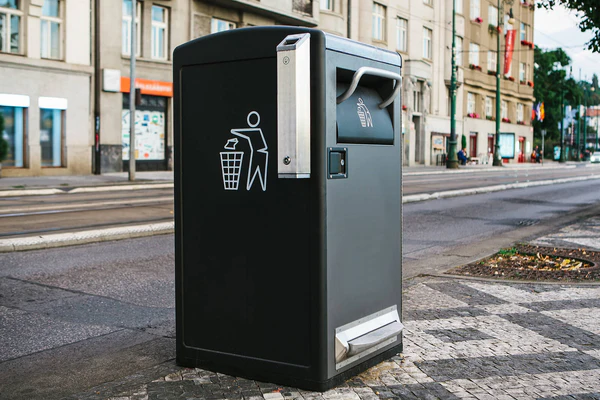
Intelligent cassonets are standard trash cans equipped with sensors that measure various parameters such as weight, volume, temperature, and humidity. These measurements are transmitted via GPRS (Global Positioning System) to a central control unit, which analyzes the data and provides insights on waste management. This technology enables cities to optimize their waste collection routes, reduce waste going to landfills, and lower costs.
The Origins of Intelligent Cassonets
The idea for intelligent cassonets was born from the observation that “robotic intelligence” could be applied to the mundane task of disposing of waste. A team at Politecnico di Milano developed a prototype that recognized objects placed in the trash can. The project evolved into a more comprehensive system, which was showcased at Expo 2010 in Shanghai.
The Technology Behind Intelligent Cassonets
The technology used in intelligent cassonets includes sensors and software that analyze data from the cassonets. This information is transmitted to a central control unit, where it is analyzed and used to optimize waste collection routes. The system also provides citizens with insights into their own waste management habits, helping them to reduce their environmental impact.
The sensors used in intelligent cassonets can measure various parameters such as:
- Weight: Sensors can detect the weight of waste placed in the casseton, allowing cities to optimize waste collection routes and reduce costs.
- Volume: Sensors can measure the volume of waste placed in the casseton, enabling cities to track waste management levels and identify areas for improvement.
- Temperature: Sensors can monitor temperature fluctuations in the casseton, helping cities to prevent pest infestations and spoilage.
- Humidity: Sensors can detect changes in humidity levels in the casseton, allowing cities to maintain optimal conditions for waste storage.
Cost and Viability of Intelligent Cassonets
The cost of intelligent cassonets can be lower than traditional methods, as the technology can be integrated into existing trash cans. The project’s leader believes that this approach makes it a viable option for public administrations looking to improve waste management efficiency.
In fact, studies have shown that intelligent cassonets can reduce waste disposal costs by up to 30% compared to traditional methods. This is achieved through optimized waste collection routes, reduced waste going to landfills, and lower labor costs.
Deployment and Future Plans
Intelligent cassonets have been deployed in several cities worldwide, including Pechino, Singapore, and Milano. The team plans to expand their reach to other major cities globally, with London, USA, Paris, Germany, and others being potential targets.
In addition to deployment, the team is also working on developing new applications for intelligent cassonets, such as:
- Smart waste sorting systems: These systems can sort different types of waste, allowing cities to optimize their recycling programs.
- Waste-to-energy plants: Intelligent cassonets can provide data on waste composition, enabling cities to design more efficient waste-to-energy plants.
Installation at Expo 2015?
The possibility of deploying intelligent cassonets at Expo 2015 has been discussed, but no concrete plans have been announced. However, the system’s adaptability to various international environments makes it a strong candidate for future deployment.
Expo 2015 is an ideal platform for showcasing innovative waste management technologies, and intelligent cassonets are well-positioned to take center stage. By highlighting the benefits of intelligent waste management systems, cities can demonstrate their commitment to sustainability and environmental protection.
Conclusion
Intelligent waste management systems offer a promising solution to optimize waste collection and disposal. By leveraging technology, cities can reduce costs, increase efficiency, and promote sustainable practices.
As the world becomes increasingly urbanized, the need for intelligent waste management systems will only grow. Cities that adopt these systems early on will be well-positioned to address the challenges of waste management in the years to come.
Frequently Asked Questions
- What are the benefits of using intelligent cassonets?
- Intelligent cassonets provide real-time data on waste management, enabling cities to optimize their waste collection routes and reduce waste going to landfills.
- How do intelligent cassonets work?
- Intelligent cassonets use sensors that measure various parameters such as weight, volume, temperature, and humidity, which are then transmitted via GPRS to a central control unit for analysis.
- What is the cost of installing intelligent cassonets?
- The cost of intelligent cassonets can be lower than traditional methods, as the technology can be integrated into existing trash cans.
- Where are intelligent cassonets currently deployed?
- Intelligent cassonets have been deployed in several cities worldwide, including Pechino, Singapore, and Milano.
- What is the team’s plan for expanding deployment to other cities globally?
- The team plans to expand their reach to other major cities globally, with London, USA, Paris, Germany, and others being potential targets.


