
Introduction
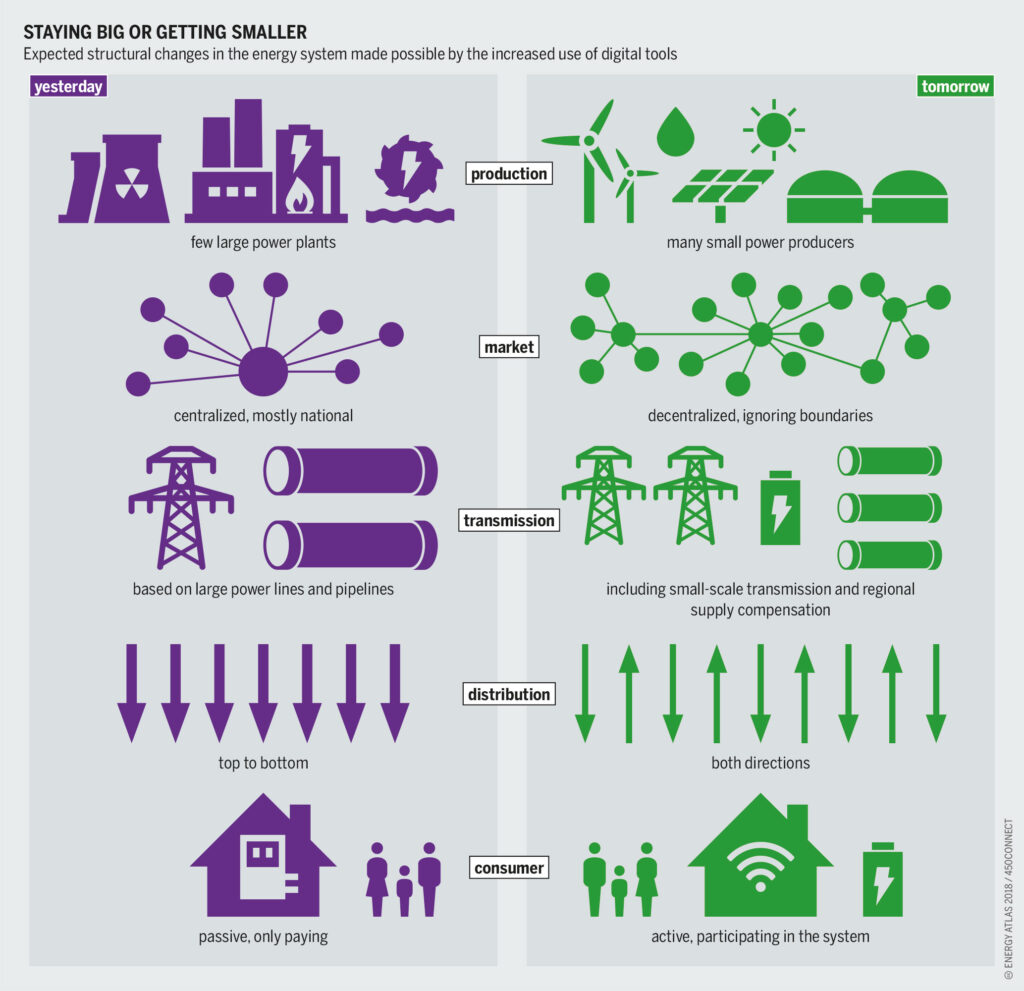
The world is witnessing a significant shift in the way we generate and distribute energy. The traditional paradigm of large-scale energy production is being replaced by a new era of distributed small-scale energy generation. This transformation is driven by the need for diversification of energy sources, efficient use of renewable resources, and overcoming limitations of traditional renewable energy sources. In this comprehensive article, we will delve into the concept of distributed energy generation, its benefits, technological advancements, investment opportunities, and strategic objectives.
What is Distributed Energy Generation?
Distributed energy generation refers to the production of electricity at a decentralized level, bypassing traditional large-scale power plants fueled by fossil fuels. Instead, small-scale power plants using renewable energy sources such as solar, wind, and waste heat are becoming increasingly prevalent. These decentralized power plants can be integrated into existing grids or standalone systems, providing communities and businesses with reliable and clean energy.
The Benefits of Distributed Energy Generation
Distributed energy generation offers numerous benefits, including:
- Diversification of energy sources: By generating electricity from diverse renewable sources, we can reduce dependence on a single fuel type, decreasing our vulnerability to price fluctuations and supply disruptions.
- Efficient use of renewable resources: Localized generation allows us to harness and utilize renewable resources more efficiently, minimizing waste and maximizing the potential of these clean energy sources.
- Overcoming limitations of traditional renewable energy sources: Distributed energy generation enables us to overcome the intermittency of solar and wind power by utilizing other renewable sources or energy storage solutions.
- Improved grid resilience: By integrating decentralized power plants into existing grids, we can enhance grid resilience, reducing the likelihood of blackouts and improving overall reliability.
The Rise of Smart Grids
Smart grids are the backbone of distributed energy generation. These intelligent networks enable real-time monitoring and management of energy distribution, ensuring efficient use of resources and minimizing energy waste. Smart grids also facilitate the integration of decentralized power plants, enabling seamless communication between devices and systems.
Some key features of smart grids include:
- Advanced sensors and monitoring systems: Real-time monitoring of energy distribution enables utilities to quickly identify areas for improvement and optimize grid operations.
- Data analytics and predictive modeling: Advanced data analytics and predictive modeling capabilities help utilities anticipate and prepare for potential grid disruptions, ensuring reliable operation of the grid.
- Integration with decentralized power plants: Smart grids enable seamless communication between decentralized power plants, allowing utilities to manage energy distribution and optimize overall system performance.
Investment Opportunities in Distributed Energy Generation
The investment potential in distributed energy generation is substantial. According to estimates, the development of smart grid infrastructure alone could generate up to €10 billion in investments by 2020. This includes the construction of new substations and distribution lines, as well as the integration of decentralized power plants into the existing grid.
Some key investment opportunities include:
- Smart grid infrastructure: Investing in advanced sensors, monitoring systems, and data analytics capabilities can help utilities improve grid resilience and efficiency.
- Decentralized power plants: Investing in small-scale renewable energy projects can provide communities and businesses with reliable and clean energy.
- Energy storage solutions: Investing in energy storage technologies can help stabilize the grid and reduce the intermittency of renewable sources.
Case Study: Cascading Thermal Energy Systems
One exciting area of research is the use of cascading thermal energy systems (CTES). These systems utilize waste heat from industrial processes to generate electricity. CTES has the potential to unlock significant energy savings and reduce greenhouse gas emissions.
Some key benefits of CTES include:
- Energy efficiency: By utilizing waste heat, CTES can provide up to 10% of a facility’s total energy needs.
- Reduced greenhouse gas emissions: By reducing the need for fossil fuels, CTES can help minimize greenhouse gas emissions from industrial processes.
- Improved process efficiency: CTES can help improve process efficiency by utilizing waste heat to power equipment and reduce cooling costs.
Strategic Objectives for Distributed Energy Generation
The Italian government has set ambitious targets for distributed energy generation, aiming to reach 40% of final energy consumption from renewable sources by 2020. To achieve this goal, the number of new decentralized power plants connected to the grid is expected to reach 160,000-180,000 by 2020.
Some key strategic objectives include:
- Increasing grid penetration: The Italian government aims to increase the share of renewable energy in the grid to at least 40% by 2020.
- Improving grid resilience: By investing in smart grid infrastructure and decentralized power plants, the Italian government aims to enhance grid resilience and reduce the likelihood of blackouts.
- Promoting energy efficiency: The Italian government aims to promote energy efficiency through the use of CTES and other technologies.
Conclusion
The shift towards distributed small-scale energy generation is a crucial step in creating a more sustainable and efficient energy system. With advancements in smart grids, technology, and investment opportunities, this trend is set to continue. As we move forward, it’s essential to prioritize the development of decentralized power plants and intelligent grid infrastructure.
Frequently Asked Questions (FAQs)
- What are the benefits of distributed energy generation?
Distributed energy generation allows for diversification of energy sources, efficient use of renewable resources, and overcoming limitations of traditional renewable energy sources. - How do smart grids facilitate decentralized power plants?
Smart grids enable seamless communication between devices and systems, ensuring efficient integration of decentralized power plants into the existing grid. - What is the investment potential in distributed energy generation?
The development of smart grid infrastructure alone could generate up to €10 billion in investments by 2020. - How do cascading thermal energy systems (CTES) work?
CTES utilize waste heat from industrial processes to generate electricity, unlocking significant energy savings and reducing greenhouse gas emissions. - What are the strategic objectives for distributed energy generation in Italy?
The Italian government aims to reach 40% of final energy consumption from renewable sources by 2020, with 160,000-180,000 new decentralized power plants connected to the grid expected by 2020.
Additional Resources
For more information on distributed energy generation, smart grids, and cascading thermal energy systems, visit our website or consult with industry experts.


