
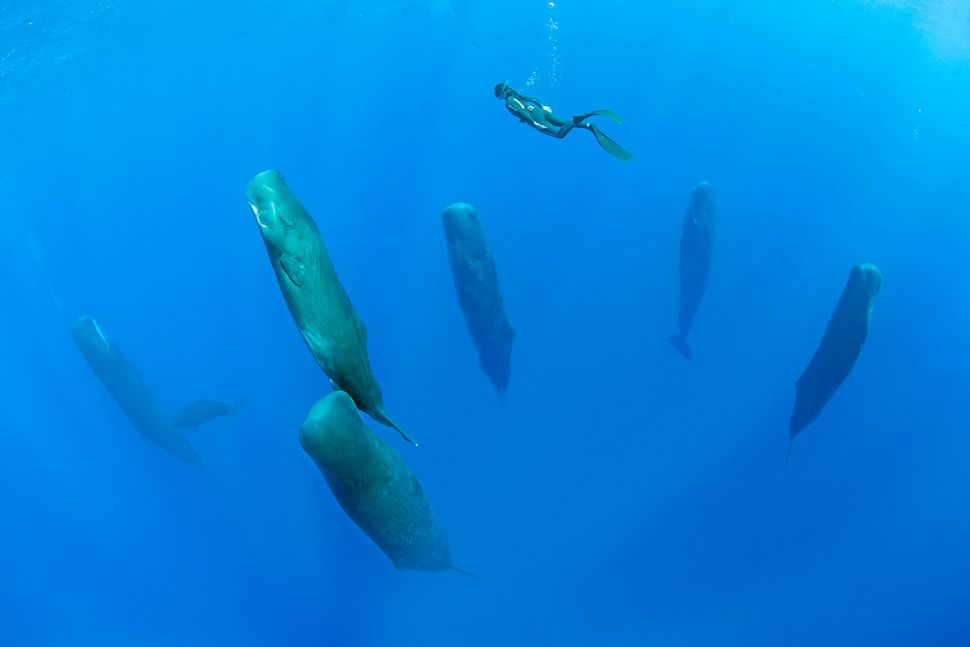
As one of the largest mammals on Earth, whales have a unique need for rest, just like humans do. But how can these massive creatures sleep without drowning? This is a fascinating question that has captured the attention of scientists in recent years.
History of Sleep in Whales
According to research, whales sleep differently than humans. Instead of sleeping for long periods of time, like we do, whales sleep intermittently. Additionally, instead of using both hemispheres of their brain while asleep, as humans do, whales only use one hemisphere at a time. This allows them to maintain some level of consciousness, ensuring they can breathe and stay safe during sleep.
Contents
- History of Sleep in Whales
- Anatomy and Behavior
- Physical Structure
- Sleeping Mode
- Conservation and Environmental Impact
Anatomy and Behavior
Physical Structure
Whales are marine mammals that belong to the order Cetacei. Their physical structure is highly adapted for aquatic life. Whales have a streamlined body shape, with a large head, a massive torso, and a pointed tail that helps them move quickly through water.
Their skin is thick and fatty, known as blubber, which protects them from cold temperatures and allows them to float on the surface of the water. The whale’s mouth contains hundreds of small plates called fanoni, which help filter food from the water.
Sleeping Mode
Whales sleep differently than humans. When a whale sleeps, half of its brain is active, while the other half is in a state of rest. This allows the whale to continue swimming and breathing while it rests.
During sleep, whales float on the surface of the water, closing their nostrils to prevent water from entering their lungs. This type of sleep is called unihemispheric slow-wave sleep (USWS), as it involves only one hemisphere of the brain.
Whales don’t sleep for long periods, typically around 8 hours a day, but this can vary depending on the species and environmental conditions.
In summary, whales are fascinating creatures with unique adaptations that allow them to sleep while remaining safe and able to breathe. Their physical structure and sleeping mode are interesting topics of study.
Types of Whales
There are several types of whales, each with their own unique characteristics and behaviors. Some of the most well-known species include:
- Blue Whale: The largest animal on Earth, blue whales can grow up to 100 feet (30 meters) in length and weigh over 200 tons.
- Humpback Whale: Known for their distinctive songs, humpback whales are found in oceans around the world and are known for their acrobatic displays.
- Orca (Killer Whale): Actually a dolphin, orcas are apex predators that feed on a wide variety of prey, including fish, squid, and other marine mammals.
Conservation Status
Many whale species are threatened or endangered due to habitat loss, pollution, overfishing, and climate change. The International Union for Conservation of Nature (IUCN) has designated several species as critically endangered, including the North Atlantic right whale, the vaquita, and the Western gray whale.
Threats to Whales
Whales face a range of threats, including:
- Hunting: Many whale species are hunted for their meat, oil, and other products.
- Pollution: Plastic pollution, oil spills, and chemical runoff can harm whales and their habitats.
- Climate Change: Rising temperatures and changing ocean chemistry can affect whale migration patterns, feeding habits, and breeding success.
Conservation Efforts
To protect whales and their habitats, conservation efforts focus on reducing human impacts such as hunting, overfishing, pollution, and climate change. Some examples of conservation efforts include:
- Marine Protected Areas: Establishing protected areas can help reduce human impacts on whale habitats.
- Regulating Fishing Practices: Implementing regulations on fishing practices can help reduce bycatch and protect whale populations.
- Reducing Plastic Pollution: Reducing plastic pollution in oceans can help protect whales and their habitats.
Frequently Asked Questions
- How often do whales sleep?
- What is unihemispheric slow-wave sleep (USWS)?
- Why are whales important for marine ecosystems?
- What threats do whales face, and how can we help protect them?
- How can humans reduce their impact on whale populations?
- Can we learn anything from the way whales sleep that could benefit human health or daily life?
- Are there any specific types of whales that are more vulnerable to certain threats than others?
- What is being done internationally to protect whale populations and their habitats?
Conclusion
Whales are fascinating creatures with unique adaptations that allow them to sleep while remaining safe and able to breathe. By understanding their behavior, physical structure, and conservation status, we can better appreciate the importance of protecting these incredible animals and their habitats.
As we continue to learn more about whales and their role in marine ecosystems, we must also take action to reduce human impacts on whale populations. This includes regulating fishing practices, reducing plastic pollution, and mitigating the effects of climate change.
By working together, we can ensure the long-term survival of these incredible creatures and protect the health of our oceans for future generations.


