
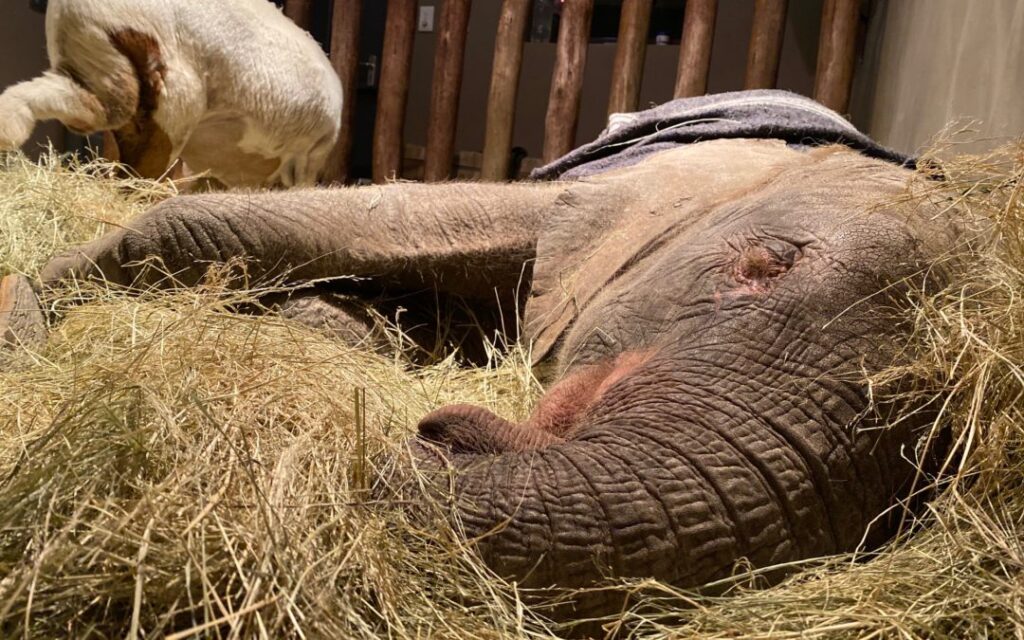
Elephants are majestic and intelligent animals, known for their exceptional memory. However, one of their lesser-known characteristics is the amount of sleep they need. Elephants are infamous for sleeping less than any other animal on Earth. According to a study conducted by a group of biologists, elephants sleep an average of only two hours per day.
What makes this data even more surprising is that elephants spend most of their time walking and eating, two activities that require a lot of energy. Despite their limited need for rest, elephants are known for their attention and quick reflexes. In fact, elephants can remain vigilant for long periods of time, making them incredibly adaptable and able to survive in the wild.
Although they have a limited need for sleep, elephants still need rest like all other animals. In captivity, elephants sleep an average of 3-7 hours per day, while free-living elephants sleep only two hours per day. However, elephants can stay awake for days on end if necessary, making them incredibly resilient and adaptable.
Content
- Behavior of Elephants
- Sleep patterns of sleeping elephants
- Positions of rest for sleeping elephants
- Habitat and Environmental Influence
- Preferred resting zones for elephants
- Effects of climate on sleep
- Conservation and Scientific Research
- Research on elephant sleep patterns
- Impact of human activities
Behavior of Elephants
Elephants are highly social animals that live in groups. These animals can sleep during the day, but also at night when they’re not busy searching for food or water.
- Sleep Patterns of Sleeping Elephants: Elephants have a unique sleep pattern where they take 4-hour naps. During this time, elephants can either be standing up or lying down.
- Positions of Rest for Sleeping Elephants: When sleeping in a standing position, elephants are not able to enter the REM phase of sleep which is when dreams occur. However, standing sleep allows them to quickly wake up and respond to threats.
Habitat and Environmental Influence
Elephants are adaptable animals that can thrive in various habitats such as forests, grasslands, and savannas. The preferred resting zones, however, vary depending on the species and age of the elephant.
- Preferred Resting Zones for Elephants: Asian elephants prefer shaded areas while African elephants tend to choose open spaces like grasslands and savannas.
- Effects of Climate on Sleep: Extreme temperatures can disrupt sleep patterns in elephants. During hot days, they may find it difficult to sleep as they try to stay cool.
Conservation and Scientific Research
Research into elephant sleep patterns is crucial for understanding their needs and developing effective conservation strategies.
- Research on Elephant Sleep Patterns: Studies have shown that elephants sleep only 2 hours a day in both captivity and the wild.
- Impact of Human Activities: Human activities such as deforestation, intensive agriculture, and urbanization negatively impact elephant habitats. The loss of habitat is one of the major threats to elephant survival.
Benefits of Elephant Sleep Patterns
Elephants’ unique sleep patterns have several benefits for their survival and well-being. Some of these benefits include:
- Energy Conservation: Elephants can conserve energy between feeding and roaming sessions by taking short naps.
- Vigilance: The ability to stay awake for long periods allows elephants to remain vigilant and respond quickly to threats.
- Memory Consolidation: REM sleep is important for memory consolidation in elephants, allowing them to retain information and learn new skills.
Challenges Faced by Elephants Due to Human Activities
Human activities can significantly impact elephant habitats and disrupt their natural behavior. Some of the challenges faced by elephants due to human activities include:
- Habitat Loss: Deforestation, agriculture, and urbanization lead to the loss of habitat for elephants, making it difficult for them to find food, water, and shelter.
- Human-Wildlife Conflict: As habitats are destroyed or fragmented, humans and elephants come into conflict, leading to injuries and fatalities on both sides.
- Pollution: Air and water pollution can affect elephant health and well-being.
Conservation Strategies
To address the challenges faced by elephants, several conservation strategies can be implemented:
- Protected Areas: Establishing protected areas such as national parks and wildlife reserves can provide a safe habitat for elephants.
- Sustainable Agriculture: Promoting sustainable agriculture practices can reduce deforestation and habitat loss.
- Education and Awareness: Educating communities about the importance of elephant conservation and the impact of human activities can help reduce human-wildlife conflict.
Conclusion
Elephants are fascinating animals with unique sleep patterns. Understanding their behavior, habitat preferences, and environmental influences can help in developing effective conservation strategies for these magnificent creatures. By conducting further research on their sleep patterns and addressing human activities that impact their habitats, we can work towards protecting elephants and preserving the ecosystems they inhabit.
Frequently Asked Questions
- How much do elephants sleep per day?
- Elephants sleep an average of only 2 hours a day in both captivity and the wild.
- What is the main reason for elephant sleep patterns?
- Elephants have unique sleep patterns due to their need to conserve energy between feeding and roaming sessions.
- How do elephants stay awake for long periods of time?
- Elephants have a high level of alertness, which allows them to remain vigilant even when they’re sleeping.
Conclusion
Elephants are incredibly resilient animals that can adapt to various environments and situations. Understanding their unique sleep patterns and the challenges they face due to human activities is crucial for developing effective conservation strategies. By working together, we can protect these magnificent creatures and preserve the ecosystems they inhabit.


