
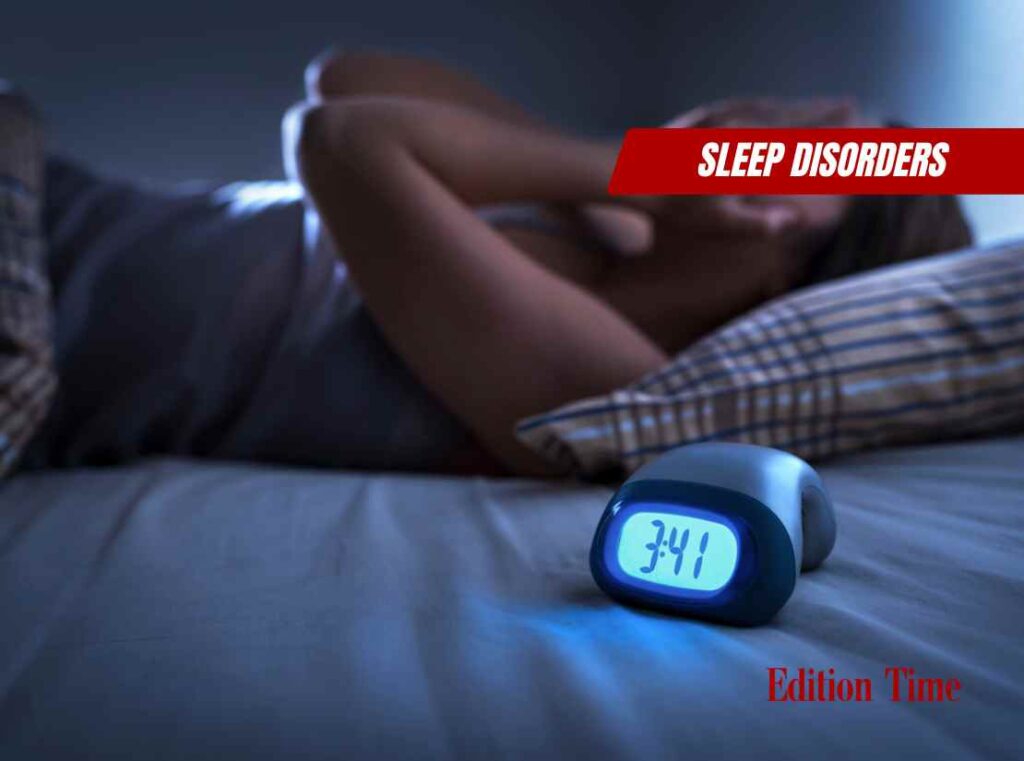
When I first started covering health and wellness topics, I never imagined how deeply sleep disorders would affect so many people’s lives. Over 70 million Americans suffer from disorders of sleep and wakefulness, yet many remain undiagnosed and untreated. As someone who’s personally struggled with occasional insomnia during particularly stressful periods, I’ve learned that understanding sleep disorders is the first step toward reclaiming restorative rest.
Sleep disorders encompass far more than just difficulty falling asleep. There are over 80 sleep disorders that impact the quality, amount and timing of sleep you’re able to get at night. From the frustrating tossing and turning of insomnia to the potentially dangerous breathing interruptions of sleep apnea, these conditions can significantly impact both physical and mental health.
The good news? With proper understanding and treatment, most sleep disorders are manageable. Let me walk you through the most common sleep disorders, their underlying causes, and the evidence-based remedies that can help restore your quality sleep.
Common Types of Sleep Disorders
Insomnia: The Most Widespread Sleep Challenge
Insomnia stands as the most prevalent sleep disorder, affecting countless individuals worldwide. Roughly, 1 in 3 adults worldwide have insomnia symptoms, and about 10% of adults meet the criteria for insomnia disorder. This condition involves persistent difficulty falling asleep, staying asleep, or both, despite having adequate opportunity for rest.
During my research for this article, I discovered that insomnia often serves as both a symptom and a cause of other health issues. Chronic insomnia can increase your risk of depression, cardiovascular problems, and even type 2 diabetes.
Sleep Apnea: When Breathing Stops During Sleep
Obstructive sleep apnea represents one of the most serious sleep disorders, characterized by repeated interruptions in breathing during sleep. Over 18 million Americans suffer from sleep apnea, and an estimated 10 million Americans remain undiagnosed. The condition occurs when throat muscles intermittently relax and block the airway during sleep.
What makes sleep apnea particularly concerning is its silent nature – many people don’t realize they have it until a bed partner notices the telltale signs of loud snoring followed by periods of silence.
Restless Legs Syndrome: The Urge to Move
Restless Legs Syndrome (RLS) creates an irresistible urge to move your legs, typically during periods of rest or inactivity. Restless Leg Syndrome affects as many as 10% of Americans. The sensation often worsens in the evening, making it particularly disruptive to sleep.
Interestingly, my research revealed that RLS often coexists with other sleep disorders. PLMS often occurs alongside restless legs syndrome (80% to 90% of cases), creating a complex web of sleep disruption.
Narcolepsy: Excessive Daytime Sleepiness
Narcolepsy involves the brain’s inability to regulate sleep-wake cycles normally, leading to excessive daytime sleepiness and sudden sleep attacks. Narcolepsy affects as many as 200,000 Americans – Fewer than 50,000 are diagnosed, highlighting the significant underdiagnosis of this condition.
Understanding the Root Causes
Psychological and Stress-Related Factors
Stress and anxiety rank among the most common culprits behind sleep disorders. During particularly challenging periods in my career, I’ve experienced firsthand how racing thoughts can keep you staring at the ceiling for hours. Brain activity differences: People with insomnia may have more active brains or brain chemistry differences that affect their ability to sleep.
Medical Conditions and Medications
Numerous underlying health conditions can disrupt sleep patterns. Chronic pain, respiratory issues, and even certain medications can interfere with natural sleep cycles. Additionally, family history (genetics): Sleep traits and conditions, including insomnia, seem to run in families, suggesting hereditary components to many sleep disorders.
Lifestyle and Environmental Factors
Modern lifestyle choices significantly impact sleep quality. Poor sleep hygiene – including irregular bedtimes, excessive screen time, and consumption of caffeine or alcohol close to bedtime – can create and perpetuate sleep disorders.
Evidence-Based Remedies and Treatments
Natural Sleep Aids and Home Remedies
For those seeking drug-free solutions, several natural approaches show promise. Gamaldo recommends warm milk, chamomile tea and tart cherry juice for patients with sleep trouble. While the scientific evidence varies, these gentle remedies offer safe options for many people.
Regular exercise emerges as one of the most effective natural treatments. Physical activity can improve sleep, though researchers aren’t completely sure why. It’s known that moderate aerobic exercise boosts the amount of nourishing slow wave (deep) sleep you get. However, timing matters – avoid vigorous exercise within two hours of bedtime.
Sleep Hygiene Fundamentals
Establishing consistent sleep habits forms the foundation of any effective treatment plan. Practicing good sleep hygiene and sleep habits can help you overcome insomnia. This means that you should try to stick to a regular sleep schedule every day.
Key sleep hygiene practices include:
- Maintaining regular bedtime and wake times
- Creating a dark, quiet, cool sleep environment
- Limiting caffeine intake after mid-afternoon
- Avoiding alcohol close to bedtime
- Establishing a relaxing pre-sleep routine
Professional Treatments and Therapies
Cognitive Behavioral Therapy for Insomnia (CBT-I) represents the gold standard for treating chronic insomnia. Cognitive therapy helps you feel less nervous about not being able to sleep. Relaxation or meditation therapy teaches you how to relax and fall asleep faster.
For sleep apnea, CPAP therapy remains the most effective treatment. Continuous Positive Airway Pressure (CPAP) for Sleep Apnea: A device that delivers a continuous stream of air, preventing airway collapse during sleep.
Medication Options
When lifestyle changes and therapy prove insufficient, medication may become necessary. Your healthcare provider may recommend some of the following medications and supplements to treat common sleep disorders: Insomnia: Sleep aids, including melatonin, zolpidem, zaleplon, eszopiclone, ramelteon, suvorexant, lemborexant or doxepin.
Melatonin supplements offer a natural option for many people. This hormone tells your body when to sleep and wake. Some research suggests that melatonin supplements can ease sleep issues like jet lag and trouble falling or staying asleep.
Creating Your Sleep Recovery Plan
Identifying Warning Signs
Recognizing when sleep problems require professional attention is crucial. You might have a sleep disorder if: You regularly have trouble sleeping. You feel tired during the day even though you slept for at least seven hours the night before.
Building a Support System
Don’t underestimate the importance of involving family members or partners in your sleep improvement journey. They can often identify symptoms you might miss, such as snoring or breathing interruptions during sleep.
Tracking Progress
Maintaining a sleep journal can provide valuable insights into patterns and triggers affecting your sleep. Document bedtime, wake time, sleep quality, and any factors that might influence your rest.
When to Seek Professional Help
While many sleep issues resolve with lifestyle modifications, certain symptoms warrant immediate medical attention. Loud snoring with breathing pauses, excessive daytime sleepiness despite adequate sleep time, and morning headaches can indicate serious underlying conditions requiring professional evaluation.
When sleep disruptions, snoring, abnormal behaviors during sleep or being tired all day gets to be too much, sleep testing at Cleveland Clinic can provide answers. Don’t hesitate to consult healthcare providers when sleep problems persist or worsen.
The Path Forward
Sleep disorders may be common, but they’re not something you have to accept as inevitable. Through my research and personal experience, I’ve learned that the combination of proper sleep hygiene, appropriate treatment, and professional guidance when needed can dramatically improve sleep quality and overall life satisfaction.
Remember that recovery often takes time and patience. About 10% of the world’s population experience insomnia that qualifies as a medical condition. It’s usually not dangerous, and there are many ways — including medications and mental health options — to treat it.
The journey to better sleep starts with understanding your specific challenges and taking that first step toward solutions. Whether that means adjusting your bedtime routine, seeking therapy, or consulting with a sleep specialist, quality rest is achievable for most people willing to commit to the process.



