
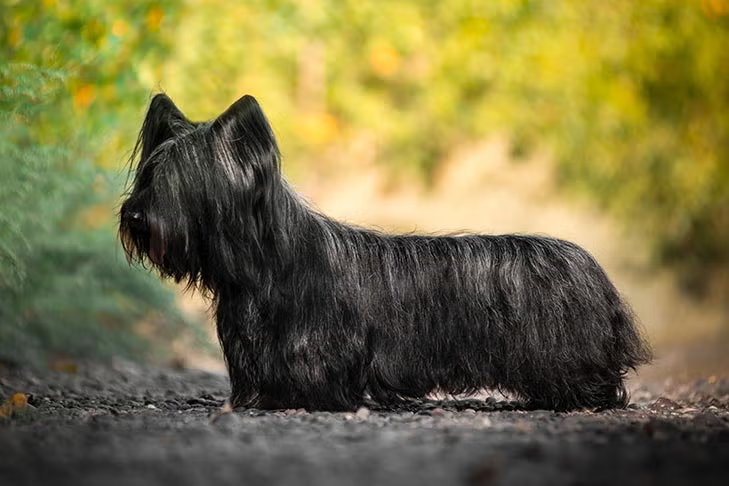
As one of the most charming breeds, the Skye Terrier has captivated the hearts of many dog enthusiasts. With its stunning appearance, endearing character, and impressive agility, it’s no wonder this Scottish native is gaining popularity as a beloved companion dog. In this article, we’ll delve into the fascinating world of the Skye Terrier, exploring its origins, characteristics, and what makes it an ideal pet for those who appreciate its gentle nature.
Origins: A Mysterious Past
Despite being one of the oldest breeds, the Skye Terrier’s origins remain shrouded in mystery. However, it’s clear that this magnificent dog hails from the island of Skye in Scotland, part of the Ebride archipelago. The breed has undergone many transformations throughout history, with names like Glasgow Terrier, Paisley Terrier, and Fancy Skye Terrier being used during the 19th and 20th centuries.
The origins of the Skye Terrier can be attributed to the island’s harsh climate and rugged terrain, which led to the development of a robust and agile dog that could navigate the unforgiving landscape. The breed was likely developed by crossing various terrier breeds with local dogs, resulting in a unique and adaptable companion.
Puppies: The Early Stages
As a puppy, the Skye Terrier is an adorable bundle of energy, measuring around 25-26 cm in height at the shoulder. Its body length exceeds one meter, including the tail, which becomes thinner towards the end. The trunk is long and solid, while the legs are short but sturdy and straight. The head is well-proportioned, with a strong muzzle and black nose.
One of the most striking features of the Skye Terrier’s coat is its uniqueness. It’s long, hard, and straight, without curls, with two distinct layers: an undercoat and a topcoat. The breed comes in various colors, including black, dark gray or light gray, golden, and cream tones, with the tips always being black.
The Skye Terrier’s coat requires regular grooming to prevent matting and tangling, which can be challenging due to its unique texture. Regular brushing is essential to keep the coat clean and healthy, as well as to prevent skin irritation caused by tangles and mats.
Character: A Complex Personality
Despite its origins as a hunting dog, the Skye Terrier has evolved into a friendly and affectionate companion. While it can be reserved around strangers, once you gain its trust, it becomes loyal and loving, making an excellent pet for those who appreciate its gentle nature. The Skye Terrier is also known for being agile and quick, making it perfect for outdoor activities.
The breed’s temperament is characterized by its intelligence, courage, and loyalty. They are highly trainable and respond well to positive reinforcement techniques. However, the Skye Terrier can be stubborn at times, requiring patient and consistent training.
Rearing: A Niche Breed
Due to the rarity of Skye Terriers in Italy, there are only two registered breeders: Druidwood in Genoa and Dell’antica Caledonia in Tuscany. With a small number of dogs in the country, there’s potential for growth, but it’s essential to research more about the breed’s needs to ensure compatibility with your lifestyle and living environment.
The Skye Terrier is a relatively rare breed, making it challenging to find reputable breeders or puppy owners who can provide the necessary care and attention. It’s crucial to approach breeding or owning a Skye Terrier with caution and thorough research.
Price: A Investment Worth Considering
Contacting one of the two breeders mentioned above is the best way to find out about prices and availability for puppies. It’s crucial to be aware of common defects in the breed, such as poor coat maintenance, incorrect ear positioning, or an unusual gait.
The cost of a Skye Terrier can vary depending on factors such as location, breeder reputation, and bloodline. On average, a puppy from a reputable breeder can range from €1,000 to €5,000, with prices varying significantly for show-quality dogs.
Health and Well-being
As with any breed, the Skye Terrier is prone to certain health issues that require attention and care. Some common defects include:
- Poor coat maintenance: Regular grooming is essential to prevent matting and tangling of the coat.
- Incorrect ear positioning: The ears should be erect and facing forward, not folded or hanging down.
- Unusual gait: The Skye Terrier should move with a smooth, even gait, without signs of lameness or stiffness.
Regular veterinary check-ups are essential to monitor the breed’s health and detect any potential issues early on. Additionally, ensuring proper nutrition, exercise, and mental stimulation can help prevent common health problems associated with this breed.
Conclusion: Embracing the Skye Terrier
As we conclude our journey into the world of the Skye Terrier, it’s clear that this breed is a true gem. With its stunning appearance, endearing character, and impressive agility, it’s no wonder it’s gaining popularity as a beloved companion dog. If you’re considering bringing a Skye Terrier into your life, be prepared for an adventure filled with love, laughter, and companionship.
Frequently Asked Questions
- Q: Where is the Skye Terrier originally from?
A: The Skye Terrier originates from the island of Skye in Scotland, part of the Ebride archipelago. - Q: What are the different names for the Skye Terrier?
A: The breed has been known by various names throughout history, including Glasgow terrier, Paisley terrier, and Fancy Skye terrier. - Q: How big does a Skye Terrier puppy grow?
A: As a puppy, the Skye Terrier measures around 25-26 cm in height at the shoulder. - Q: What are the different colors of the Skye Terrier’s coat?
A: The breed comes in various colors, including black, dark gray or light gray, golden, and cream tones, with the tips always being black. - Q: Is the Skye Terrier a good pet for families with children?
A: Yes, the Skye Terrier is an excellent choice for families with children due to its gentle nature and affectionate personality. - Q: How often should I groom my Skye Terrier?
A: The breed requires regular grooming to prevent matting and tangling of its coat. - Q: Are there any common health issues in the Skye Terrier?
A: Yes, common defects in the breed include poor coat maintenance, incorrect ear positioning, or an unusual gait. - Q: How much does a Skye Terrier cost?
A: The price of a Skye Terrier can vary depending on factors such as location and breeder reputation.
By understanding more about this captivating breed, you’ll be better equipped to provide the love and care your new companion deserves.


