
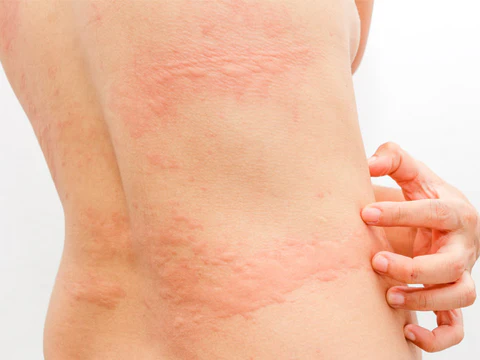
Eczema is a common skin condition characterized by sudden and unexpected changes in skin color and texture. It can be triggered by various factors, including bacterial infections, viral infections, fungal infections, allergies, and stress.
What is Eczema?
Eczema, also known as atopic dermatitis, is an inflammatory reaction of the skin that leads to redness, itching, swelling, and small bumps. It can appear anywhere on the body, but it most commonly affects the face, neck, hands, feet, elbows, knees, ankles, and scalp.
Causes of Eczema
While the exact causes of eczema are still not fully understood, several factors have been identified as potential triggers:
- Bacterial infections: Certain bacteria, such as Staphylococcus aureus, can contribute to eczema.
- Viral infections: Viruses like herpes simplex and varicella-zoster (chickenpox) can cause eczema.
- Fungal infections: Fungi like yeast can trigger eczema in some individuals.
- Allergies: Allergic reactions to substances like pollen, dust mites, or pet dander can lead to eczema.
- Stress: Stress can exacerbate eczema symptoms.
Symptoms of Eczema
The symptoms of eczema can vary depending on the severity and location of the condition. Some common symptoms include:
- Pruritus (itching): Itching is the most common symptom of eczema.
- Redness: The skin may become red, inflamed, and swollen.
- Desquamation: The skin may peel or flake off.
- Small bumps: Small bumps or blisters can appear on the skin.
Treatment for Eczema
The treatment for eczema depends on the severity of the condition and the underlying cause. Some common treatments include:
- Topical corticosteroids: These creams or ointments can help reduce inflammation and itching.
- Antihistamines: Antihistamines can help relieve itching and reduce the allergic response.
- Immunomodulators: These medications can help modify the immune system’s response to allergens.
- Biologics: Biologics are a type of medication that target specific proteins involved in the inflammatory process.
Natural Remedies for Eczema
While medical treatments can be effective, natural remedies may also provide relief from eczema symptoms. Some natural remedies include:
- Calendula cream: Calendula cream is a natural anti-inflammatory agent that can help soothe itchy skin.
- Arnica oil: Arnica oil has anti-inflammatory properties that can help reduce itching and inflammation.
- Decoctions: Decoctions made from herbs like calendula, arnica, and piantaggine can be effective in reducing eczema symptoms.
Prevention of Eczema
While it’s not possible to completely prevent eczema, there are some steps you can take to reduce the risk:
- Avoid stress: Stress can exacerbate eczema symptoms.
- Maintain good hygiene: Keeping your skin clean and moisturized can help prevent eczema.
- Use gentle products: Avoid using harsh soaps or detergents that can strip your skin of its natural oils.
- Wear breathable clothing: Wearing loose, breathable clothing can help reduce irritation.
Lifestyle Changes for Eczema Management
In addition to medical treatment and natural remedies, making lifestyle changes can also help manage eczema symptoms. Some tips include:
- Keep a food diary: Tracking your diet and identifying potential allergens or triggers can help you make informed choices.
- Stay hydrated: Drinking plenty of water can help keep your skin hydrated and healthy.
- Get enough sleep: Lack of sleep can exacerbate eczema symptoms, so aim for 7-8 hours of sleep per night.
- Exercise regularly: Regular exercise can help reduce stress and improve overall health.
Conclusion
Eczema is a common skin condition that requires a comprehensive approach to treatment and prevention. By understanding the causes, symptoms, and treatments for eczema, you can take steps to manage your symptoms and prevent flare-ups.
Frequently Asked Questions
- What is the difference between atopic dermatitis and seborrheic dermatitis?
- Atopic dermatitis is a chronic skin condition characterized by inflammation, itching, and small bumps, while seborrheic dermatitis is a type of inflammatory skin condition that primarily affects the scalp.
- Can eczema be contagious?
- Eczema is not contagious, but it can be triggered by certain environmental factors or allergens that are also contagious.
- How long does eczema typically last?
- The duration of eczema can vary depending on the severity and treatment. In some cases, eczema may persist for years, while in others, it may resolve on its own.
- Can eczema be caused by stress?
- Stress is not a direct cause of eczema, but it can exacerbate symptoms or trigger flare-ups.
- What are the most common triggers for eczema?
- Common triggers for eczema include bacterial infections, viral infections, fungal infections, allergies, and stress.
By understanding the causes, symptoms, and treatments for eczema, you can take steps to manage your symptoms and prevent flare-ups.


