
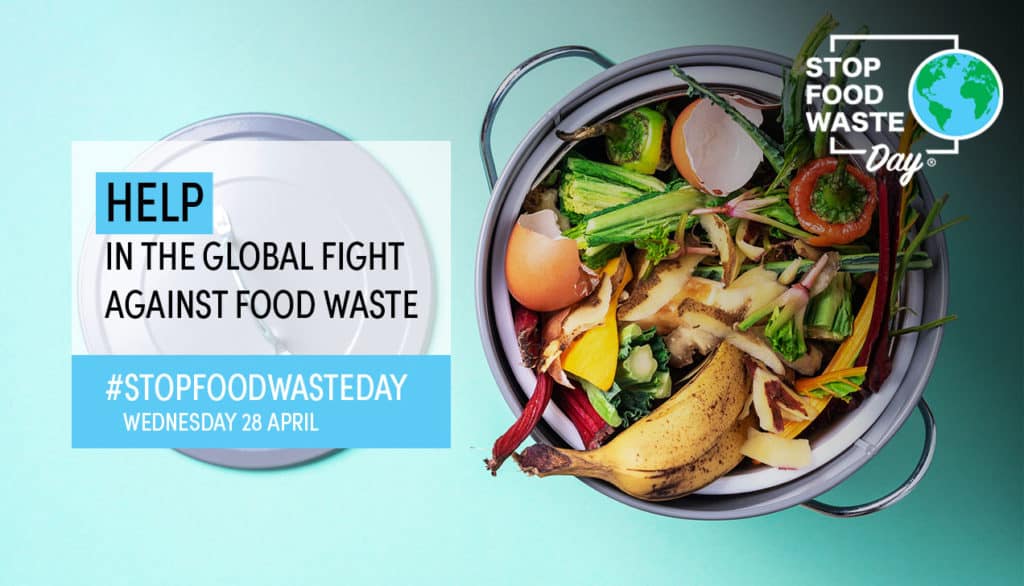
In the world of food waste, there are many heroes, but few have made as much of an impact as Siticibo. This innovative program, launched by the Fondazione Banco Alimentare in 2003, has been quietly revolutionizing the way we think about food recovery and sustainability in Italy.
What is Siticibo?
Siticibo is more than just a food recovery program – it’s a movement. Born out of the Fondazione Banco Alimentare’s mission to rescue surplus food from going to waste, Siticibo has grown into a nationwide initiative with the goal of reducing food waste in Italy.
History of Siticibo: From Humble Beginnings to National Recognition
The concept of food recovery and sustainability was not new even back in 2003 when Fondazione Banco Alimentare first launched Siticibo. The organization had been working on various initiatives aimed at reducing food waste for several years, but it wasn’t until the launch of this program that they gained national recognition.
How Much Food Has Been Saved?
The numbers are staggering: since its inception, Siticibo has rescued over 2.247.600 portions of cooked meals, 715 tons of bread, and 806 tons of fresh fruit from ending up in landfills. But it’s not just about the quantity – it’s also about the quality. The program ensures that every item is still safe to eat, thanks to its rigorous temperature control measures.
The Impact of Food Recovery on the Environment
Food waste has significant environmental implications, including greenhouse gas emissions, water consumption, and land use. By reducing food waste, Siticibo not only helps to minimize these impacts but also conserves resources that could have been wasted.
Where Is Siticibo Most Needed?
While food waste affects cities and towns across Italy, some areas are more in need of Siticibo’s expertise than others. Metropolises and large urban centers tend to have higher volumes of surplus food, making them ideal candidates for the program. By targeting these areas first, Siticibo can make a significant impact on reducing food waste.
How Has Siticibo Expanded Over the Years?
Since its inception in 2003, Siticibo has expanded its reach to include distribution centers (DMOs) – a major milestone in its journey towards becoming a national program. In 2009, Siticibo began partnering with DMOs to recover surplus fresh produce, and by 2012, it had recovered over 2.500 tons of food.
The Role of Technology in Food Recovery
Technology has played a significant role in the success of Siticibo. The organization uses advanced software to track food donations, monitor inventory levels, and optimize distribution routes. This data-driven approach helps to ensure that surplus food is recovered efficiently and effectively.
What Are the Safeguards in Place?
To ensure the highest standards of safety and quality, Siticibo employs a rigorous temperature control system. Any food items retrieved from restaurants, grocery stores, or other outlets must be stored at a consistent refrigerated temperature to prevent spoilage. The use of insulated containers or refrigerated trucks guarantees that the food reaches its destination in pristine condition.
From Individuals to Institutions: How Everyone Can Contribute
While Siticibo is an exemplary program, it’s not just about saving surplus food; it’s also about creating a cultural shift that promotes sustainability and reduces waste. By adopting sustainable practices, individuals can make a significant impact on reducing food waste.
Food Waste Reduction Strategies for Individuals and Institutions
To truly make a difference, institutions must adopt policies that prioritize sustainable development for all. This means simplifying bureaucratic procedures that can discourage donations and introducing incentives for environmentally friendly behaviors. Perhaps most importantly, it requires transforming taxes on waste into a “lever” that encourages virtuous behavior.
A Call to Action: Join the Movement
As we continue to grapple with the issue of food waste, Siticibo stands as a shining example of what can be achieved when people come together to make a difference. By supporting initiatives like this one, you can help create a world where surplus food is not wasted but rather rescued and enjoyed by those who need it most.
Conclusion
Siticibo’s success serves as a testament to the power of collective action and education in creating positive change. As we move forward, it’s essential to recognize the importance of food recovery initiatives like Siticibo and support their efforts. By working together, we can reduce food waste, promote sustainability, and create a healthier environment for future generations.
Additional Resources
If you’re interested in learning more about Siticibo or other food recovery initiatives, here are some additional resources:
- Fondazione Banco Alimentare’s official website: www.fondazione.it
- Food Recovery Network (FRN): A US-based network that works with students to reduce food waste on campus.
- The Natural Resources Defense Council’s (NRDC) Food Waste Reduction Guide: A comprehensive guide to reducing food waste in the US.
Frequently Asked Questions
Q: What inspired the creation of Siticibo?
A: The Fondazione Banco Alimentare wanted to find innovative solutions to reduce food waste in Italy. They drew inspiration from various models and programs around the world, ultimately creating a unique approach tailored to Italian needs.
Q: How does Siticibo measure its impact?
A: By tracking the number of portions of cooked meals, tons of bread and fresh fruit recovered and redistributed to those in need.
Q: What is the most common type of food wasted globally?
A: According to some estimates, over 30% of global food production is lost or wasted.
Q: Can individuals contribute to reducing food waste?
Absolutely! By planning meals, using up leftovers, and shopping from local farmers’ markets, individuals can significantly reduce their own food waste footprint.
Q: What role does education play in preventing food waste?
Education is key. By teaching people about the value of food, how to handle surplus produce, and the importance of reducing waste, we can create a cultural shift that benefits everyone.
Q: Can Siticibo’s model be replicated globally?
While every country has its unique context and challenges, Siticibo’s program serves as an example of successful food recovery initiatives worldwide. Other countries could adapt similar models or find their own creative solutions to the issue.
Q: How can I support organizations like Siticibo?
Supporting programs that promote sustainability and reduce waste is crucial for creating a more environmentally conscious society. Donating time, resources, or spreading awareness about initiatives like this one can go a long way in making a difference.


