
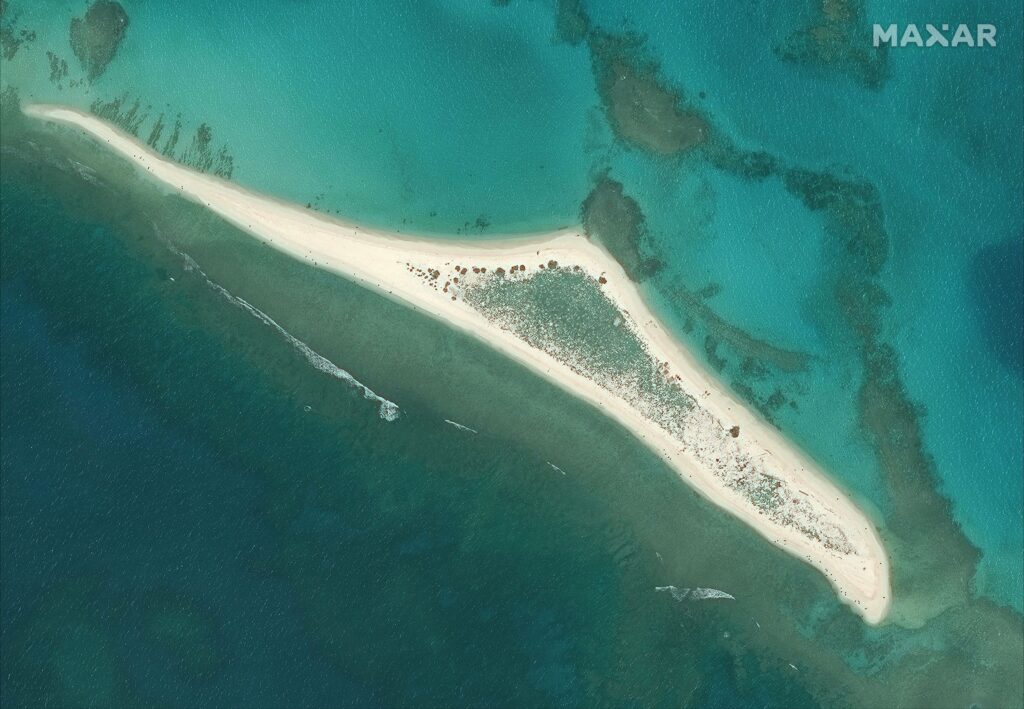
As the world grapples with the challenges of climate change, a growing concern is emerging about the fate of small island nations that are sinking beneath the waves. These islands, which are home to countless communities and ecosystems, are facing an existential threat due to rising sea levels, erosion, and other environmental factors.
What are Sinking Islands?
The term “sinking islands” refers to low-lying islands that are threatened by rising sea levels, caused by climate change. These islands are typically formed from coral reefs or volcanic activity and are often home to small communities of people who depend on the land for their livelihood. The impact of sinking islands is not just a matter of geography; it’s also a human rights issue.
The Vulnerability of Small Island Communities
Small island communities are already facing numerous challenges, including poverty, lack of access to resources, and limited infrastructure. When these communities are threatened by sinking islands, they face an even greater challenge in terms of survival. The loss of their land means the loss of their livelihoods, cultural heritage, and way of life.
The Science is Clear: Rising Sea Levels Threaten Human Survival
Scientific research has shown that rising sea levels pose a significant threat to small island communities. According to the Intergovernmental Panel on Climate Change (IPCC), global temperatures are likely to rise by 2-4°C by 2100, leading to an increase in sea levels of up to 1 meter. This will have devastating consequences for coastal communities, including flooding, erosion, and saltwater intrusion into freshwater sources.
The International Response: A Call to Action
The international community has recognized the threat posed by sinking islands and is calling for urgent action. The Paris Agreement, signed in 2015, sets a goal of limiting global warming to well below 2°C and pursuing efforts to limit it to 1.5°C above pre-industrial levels. However, despite these commitments, progress has been slow, and the impacts of climate change are already being felt.
The Need for Adaptation and Mitigation
The focus is shifting from mitigation (reducing greenhouse gas emissions) to adaptation (developing strategies to cope with the impacts of climate change). This requires a fundamental shift in how we think about climate change and its effects on human societies. The concept of “sinking islands” has become a metaphor for the urgent need for action to protect vulnerable communities and ecosystems.
The Philosophical and Legal Implications
The issue of sinking islands raises important philosophical and legal questions about responsibility, justice, and human rights. Who is responsible for the impacts of climate change on small island communities? Should these communities be compensated or supported in their efforts to adapt to changing circumstances?
Some argue that developed countries have a moral obligation to support vulnerable communities, while others believe that individual actions can make a difference in mitigating the effects of climate change.
The Role of Technology and Innovation
Technology and innovation play a crucial role in addressing the challenges posed by sinking islands. For example, floating homes and infrastructure can provide temporary solutions for displaced communities, while renewable energy sources such as solar and wind power can help reduce greenhouse gas emissions.
However, these solutions are often expensive and require significant investment. The international community must prioritize funding for climate change mitigation and adaptation efforts, particularly in vulnerable regions.
The Human Cost of Sinking Islands
The human cost of sinking islands is substantial. Displaced communities face uncertainty about their future, economic hardship, and cultural loss. Children may never know the traditional way of life or the stories of their ancestors.
Examples of Countries at Risk
Several countries are at risk due to rising sea levels, including:
- The Maldives: A tropical nation in the Indian Ocean with a total land area of approximately 300 square kilometers.
- Tuvalu: A small island nation in the Pacific Ocean with a total land area of approximately 26 square kilometers.
- Kiribati: A country in the Pacific Ocean with a total land area of approximately 811 square kilometers.
- The Marshall Islands: A chain of islands in the Pacific Ocean with a total land area of approximately 181 square kilometers.
The Role of Civil Society
Civil society organizations play a crucial role in advocating for climate change action and supporting vulnerable communities. They can mobilize public awareness, pressure governments to take action, and provide vital support to those affected by climate change.
Conclusion: The Sinking Islands Crisis Demands Urgent Attention
The crisis facing small island nations is a stark reminder of the need for urgent action to address the root causes of climate change. We must work together to reduce greenhouse gas emissions, develop adaptation strategies, and support vulnerable communities in their efforts to cope with the impacts of climate change.
Frequently Asked Questions (FAQs)
- What are sinking islands?
Sinking islands refer to low-lying islands that are threatened by rising sea levels due to climate change. - How many small island nations are at risk?
Several small island nations, including the Maldives, Tuvalu, Kiribati, and the Marshall Islands, are at high risk of disappearing due to sinking islands. - What is causing the rise in sea levels?
The primary cause of rising sea levels is climate change, which is caused by human activities such as burning fossil fuels and deforestation. - How can we mitigate the impacts of climate change on small island communities?
Mitigation strategies include reducing greenhouse gas emissions, transitioning to renewable energy sources, and implementing adaptation measures to protect vulnerable communities. - What role should the international community play in supporting sinking islands?
The international community has a responsibility to support sinking islands through financial assistance, technical expertise, and advocacy for policy changes that address climate change.
References
- Latini, G., Bagliani, M., & Orusa, T. (2020). Lessico e nuvole: le parole del cambiamento climatico – II ed., Università di Torino.
- Halstead, E. (2016). “Citizens of Sinking Islands: Early Victims of Climate Change”, Indiana Journal of Global Legal Studies, Vol. 23, No. 2 (Summer 2016), pp. 819-838.
Note: The references provided are a selection of sources that support the information presented in this article.


