
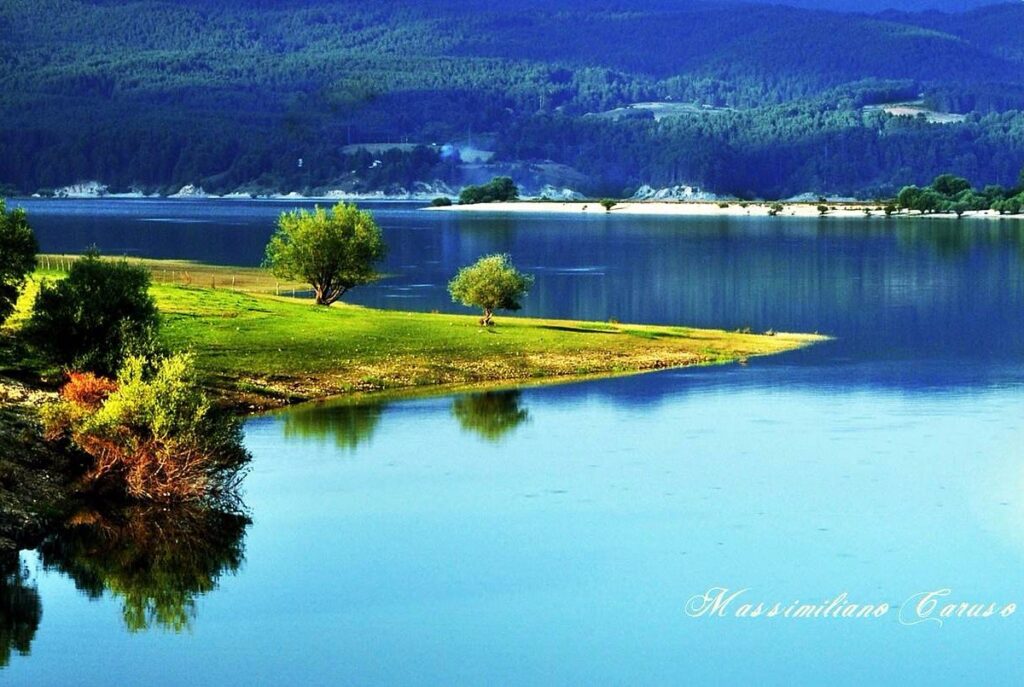
The Sila National Park in southern Italy is a treasure trove of natural wonders, boasting an impressive 80% of forested terrain. As one of Italy’s most extensive protected areas, it has become a haven for wildlife and a popular destination for outdoor enthusiasts.
A Brief History of Sila National Park
Established in 1997, the park was conceived as early as the 1920s, but its official recognition came in 2002. With a rich biodiversity and unique flora and fauna, it has become one of Italy’s most important natural reserves. The park’s history is deeply rooted in the local culture, with various communities and organizations playing a vital role in its development and conservation.
Where to Find Sila National Park
Located in the heart of the Sila Mountains, the park stretches over an extensive area of 73,695 hectares. Its headquarters are situated in Lorica, but the park spans across three provinces: Catanzaro, Cosenza, and Crotone. Visitors can easily access the park through various entry points, including roads, trails, and public transportation.
Exploring the Park’s Regions
The Sila National Park is divided into three distinct regions: Sila Greca, Sila Grande, and Sila Piccola. While all three are equally fascinating, the Sila Grande and Sila Piccola are particularly notable for their diverse ecosystems. Each region offers unique landscapes, flora, and fauna, making it an ideal destination for nature lovers and adventure seekers.
Unique Features of Sila National Park
Sila National Park boasts some remarkable features that set it apart from other natural reserves:
- Six artificial lakes: The park’s unique lake system is a testament to its natural beauty. These lakes provide a habitat for various aquatic species, including fish, birds, and plants.
- A vast network of trails: With over 200 kilometers of hiking paths, visitors can explore the park’s diverse landscapes and ecosystems. From easy strolls to challenging hikes, there’s something for everyone in Sila National Park.
- Rich cultural heritage: The park is home to numerous cultural sites, including ancient ruins, churches, and monasteries. These sites provide a glimpse into the local history and culture.
Wildlife and Flora in Sila National Park
The park is home to an incredible array of wildlife and flora. Some notable species include:
- Brown bears: These majestic creatures roam freely within the park’s boundaries. Brown bears are an iconic symbol of Sila National Park, and visitors can often spot them in their natural habitat.
- Red deer: The park provides a safe haven for these majestic animals. Red deer are found throughout the park, offering a glimpse into their natural behavior and habitats.
- Faggets and pine trees: The park’s forests are dominated by faggets and pine trees, providing a habitat for numerous species of plants and animals.
Getting to Sila National Park
Visitors can reach the park via various means:
- Train: The nearest train station is in Paola, followed by Lamezia Terme. Train travel provides an excellent way to explore the region without worrying about driving or parking.
- Car: Visitors can access the park through several entry points, including Cosenza and Catanzaro. Driving offers flexibility and convenience but requires careful planning to avoid traffic congestion.
- Airplane: Lamezia Terme Airport and Crotone S.Anna Airport are the closest airfields. Air travel is a convenient option for those who prefer to fly or have limited time.
Cupone: A Center of Education and Environmental Awareness
Located within the park’s boundaries, Cupone is a hub for environmental education and awareness. This former sawmill has been converted into an eco-friendly center, offering guided tours and interactive exhibits. Visitors can learn about the park’s natural history, conservation efforts, and cultural significance.
The Sila National Park Mosaic: A Reflection of Nature’s Diversity
To fully appreciate the park’s beauty, visitors can refer to its comprehensive map or website, which provides valuable insights into its natural and cultural significance. The park’s diverse ecosystems, unique features, and rich cultural heritage make it an ideal destination for nature lovers, adventure seekers, and those interested in exploring Italy’s hidden gems.
Tips for Visiting Sila National Park
Visitors can enhance their experience by following these tips:
- Respect the environment: Sila National Park is a protected area, and visitors are expected to follow park rules and regulations.
- Bring necessary gear: Depending on the season and activity, visitors should bring suitable clothing, hiking boots, and other equipment.
- Explore during peak hours: Peak hours offer the best conditions for sightseeing and photography, but be mindful of crowd sizes.
- Plan ahead: Visiting Sila National Park requires careful planning, including booking accommodations, transportation, and guided tours.
Conclusion
Sila National Park is a true gem in southern Italy, offering an unparalleled blend of natural beauty, wildlife, and cultural significance. By exploring the park’s regions, unique features, and rich history, visitors can develop a deeper appreciation for this remarkable reserve. With its accessible entry points, diverse ecosystems, and eco-friendly attractions, Sila National Park is an ideal destination for outdoor enthusiasts, nature lovers, and those seeking to experience Italy’s hidden treasures.


