
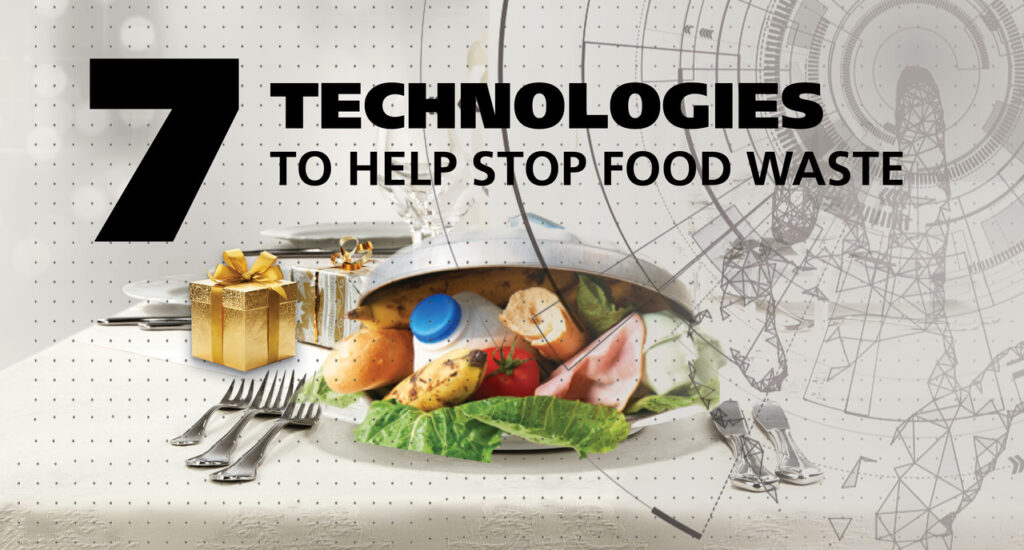
The Importance of Food Waste Reduction: Understanding the Problem and Finding Solutions
What is Food Waste?
Food waste is a significant problem worldwide, with far-reaching consequences for the environment, economy, and society. In this article, we will explore the causes of food waste, its environmental impact, and innovative solutions to reduce it.
Where Does Food Waste Occur?
According to the FAO (Food and Agriculture Organization) study in 2013, 54% of food waste occurs at the production stage, while 46% occurs during processing, distribution, and consumption. The remaining percentage is attributed to two main reasons: excessive purchases of staple foods and expired products.
The Environmental Impact of Food Waste
Food waste not only affects the economy but also has a significant impact on the environment. As food waste decomposes, it releases methane, a potent greenhouse gas that contributes to climate change. Additionally, the energy required for production, processing, transportation, storage, and consumption adds to the environmental burden.
The Social Impact of Food Waste
Food waste is not only an economic concern but also has social implications. In regions with medium and high incomes, food waste among consumers is higher due to overconsumption and poor food management practices.
Domestic Food Waste: A Preventable Problem
Unlike other stages of the food supply chain, domestic food waste is largely preventable. While some loss of quality can occur during transportation and storage, the primary cause of food waste in households is lack of planning and organization.
Technological Solutions to Reduce Food Waste
Fortunately, technology offers a range of solutions to reduce food waste:
- Extending shelf life through packaging innovations
- Tracing products and reducing food loss during processing and distribution
- Improving inventory management through data analysis
However, the success of these initiatives depends on consumer awareness and behavior. Sensitizing consumers about food waste is crucial to creating a more sustainable food system.
SiFood: A Sustainable Food Initiative
In October 2013, SiFood was launched as a technology-led initiative aimed at promoting sustainability in the food supply chain. Backed by Whirlpool R\&D and other organizations, SiFood aims to create a comprehensive understanding of the food supply chain, focusing on consumers and their need for sustainable consumption patterns.
Research Priorities
SiFood has identified two key research priorities:
- Big Data Analysis: Developing tools to analyze consumer behavior through data mining and Big Data techniques.
- Date-Based Inventory Management: Creating systems that optimize inventory management based on food expiration dates.
By addressing these challenges, SiFood seeks to empower consumers, improve supply chain efficiency, and promote a more sustainable food system.
Partnerships for a Common Goal
SiFood has attracted a diverse range of partners from industry, academia, and the public sector. These collaborations aim to leverage expertise and resources to develop innovative solutions that benefit both the environment and society as a whole.
These partnerships include:
- Whirlpool Research & Development
- UL International Italia (IISG)
- Reply
- Menfi Industria
- MPE
- Nanosurfaces
- Mox Off
- Far.Co.S.
- Ghelfi Ondulati
- Happy Child
- Cimplasta
- Liuc Università Carlo Cattaneo
- INSTM (consorzio di 45 università italiane focalizzate sulla scienza e la tecnologia dei materiali)
- Fondazione banca del Monte di Lombardia
- Unione Industriali della Provincia di Varese
- Camera di Commercio di Varese
By working together, these partners can create a more sustainable food system that benefits both people and the planet.
Conclusion
Food waste is a pressing issue that requires immediate attention. By understanding its causes, recognizing its impact on the environment and society, and leveraging technological innovations, we can reduce food waste and promote sustainability in the food supply chain. The SiFood initiative offers a promising approach to addressing this challenge, with partnerships between industry, academia, and public sector organizations working together towards a common goal.
Frequently Asked Questions (FAQs)
Q1: What percentage of food waste occurs during production?
A1: According to the FAO study in 2013, 54% of food waste occurs at the production stage.
Q2: Why is food waste a significant problem for consumers?
A2: Food waste has social implications, including overconsumption and poor food management practices among consumers, particularly in regions with medium and high incomes.
Q3: How can technology help reduce food waste?
A3: Technologies such as packaging innovations, product tracing, and data analysis can improve supply chain efficiency, extend shelf life, and optimize inventory management.
Q4: What is the primary cause of domestic food waste?
A4: Lack of planning and organization in households is the main reason for domestic food waste.
Q5: What are the priorities of SiFood?
A5: SiFood has identified two key research priorities: Big Data analysis to better understand consumer behavior, and date-based inventory management to optimize supply chain efficiency.
Q6: Which organizations partner with SiFood?
A6: SiFood collaborates with a diverse range of partners from industry, academia, and the public sector, including Whirlpool Research & Development, UL International Italia (IISG), Reply, and others.


