
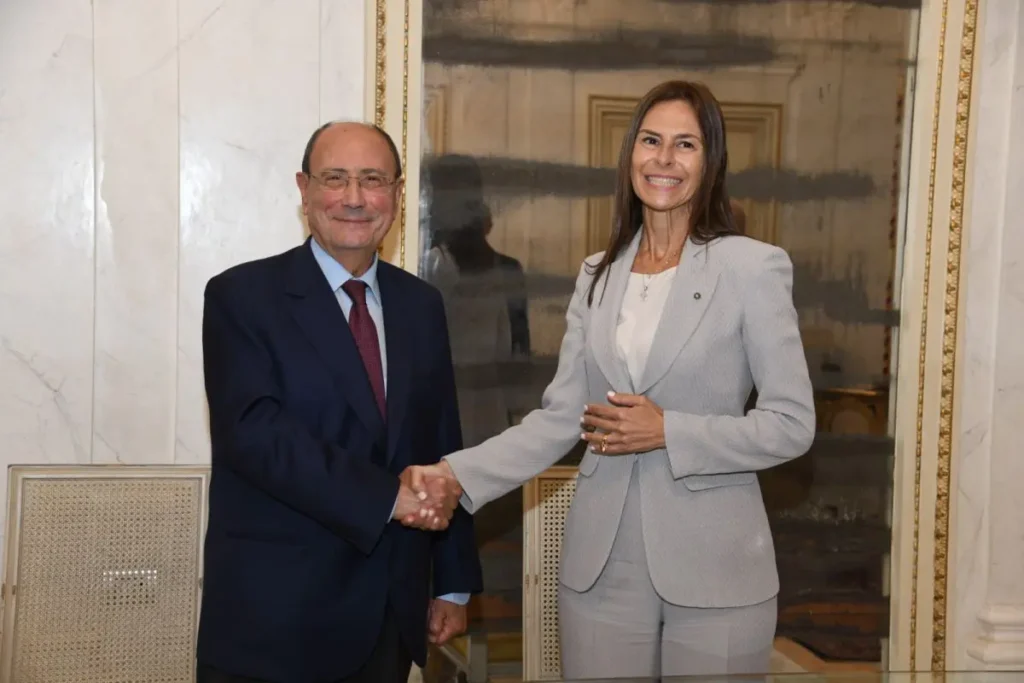
The island of Sicily has long been a hub for trade, culture, and innovation. Today, it takes center stage in a groundbreaking agreement between the Sicilian Region and Italian energy giant Terna to connect with Tunisia via an electricity interconnection line. This monumental deal is set to revolutionize the energy landscape, not just for Italy, but for the entire European continent.
A New Era of Energy Cooperation
The memorandum of understanding signed today at Palazzo d’Orléans in Palermo marks a significant milestone in the history of Italian-Tunisian cooperation. The agreement authorizes Elmed, the electricity interconnection line between Italy and Tunisia, to begin construction activities. This project is a testament to the growing importance of energy transition and decarbonization in Europe.
Strengthening Collaboration
The Sicilian Region and Terna have committed to working closely together during the preliminary phases of the project. By doing so, they aim to minimize the impact on local communities and ensure a smoother construction process. The Region has pledged to support Terna in necessary procedures for designing and implementing the infrastructure.
Environmental Compensation Works
In addition to strengthening collaboration, the agreement also includes a plan for territorial and environmental renovation works of public interest. Terna will contribute €1 million to environmental compensation works, while the Sicilian Region will add €4 million from the Fondo di Sviluppo e Coesione (FSC), totaling €5 million. These funds will be allocated for partial reconstruction using original parts (anastilosis) of the southern columns of the Temple “G” in the Archaeological Park of Selinunte.
A Piece of History
The temple, approximately 30 meters tall with columns over 16 meters, was built around 530 BC but remained unfinished at the destruction of Selinunte by the Carthaginians in 409 BC. The reconstruction efforts will not only preserve this ancient wonder but also contribute to the regional development.
Financial Contributions
Additional financial contributions have been allocated to the involved municipalities: €600,000 to Castelvetrano and €2 million to Partanna. These investments will not only support local communities but also enhance the economic growth of these regions.
A Vision for the Future
According to President Schifani, “Electricity connection between Italy and Tunisia is a strategic project for Italy and fundamental for the ongoing energy transition process.” This agreement represents a significant step forward in the project and confirms Terna’s commitment to closely collaborating with local institutions and territories involved. The interconnection will increase the reliability of the national electricity system and diversify the sources of supply by connecting Europe to North Africa.
A Hub for Energy Transition
Sicily, with over €3 billion in investments in the next five years, will be at the center of critical interventions for energy transition and decarbonization. The interconnection between Italy and Tunisia will play a pivotal role in this process, ensuring a more reliable and diversified energy supply.
The Benefits of the Elmed Project
The Elmed project offers numerous benefits to both countries involved. For Italy, it represents an opportunity to increase energy security by diversifying its electricity sources and reducing dependence on external imports. The interconnection line will also contribute to the development of Sicily’s economy, creating new jobs and stimulating growth.
For Tunisia, the agreement marks a significant step forward in its efforts to modernize its energy sector. By connecting with Italy through the Elmed project, Tunisia can benefit from improved energy efficiency and reduced greenhouse gas emissions. This, in turn, will contribute to the country’s economic development and improve the quality of life for its citizens.
Challenges and Opportunities
While the agreement between Sicily and Terna is a significant milestone in the history of Italian-Tunisian cooperation, it also presents numerous challenges. One of the primary concerns is the environmental impact of the construction process. To mitigate this risk, both parties have committed to implementing sustainable practices and reducing waste during the construction phase.
Another challenge facing the project is the need for increased energy storage capacity in Italy. To address this issue, Terna has announced plans to invest €1.5 billion in renewable energy sources over the next five years. This will not only contribute to the development of Sicily’s economy but also help to ensure a more stable and reliable energy supply.
Conclusion: A New Chapter for Energy Cooperation
The historic agreement between Sicily and Terna marks a new chapter in energy cooperation between Italy and Tunisia. This groundbreaking deal has far-reaching implications for the region, country, and continent at large. As we embark on this new journey, it is essential to recognize the potential benefits of this partnership and work towards creating a more sustainable future.
The Future of Energy Cooperation
As the world continues to grapple with the challenges of climate change, energy cooperation between nations will play an increasingly important role in shaping our collective future. The agreement between Sicily and Terna serves as a model for how different countries can come together to address these challenges.
In the coming years, we can expect to see even more ambitious projects like the Elmed interconnection line come online. These initiatives will not only improve energy security but also contribute to the development of sustainable economies across Europe.
A New Era for Energy
The future of energy is bright, and it is being shaped by the cooperation between countries. As we look to the horizon, it is clear that the days of relying on fossil fuels are behind us. The era of renewable energy sources has begun, and it is up to all of us to make sure that this transition happens in a sustainable and equitable manner.
The agreement between Sicily and Terna is an important step towards creating a more sustainable future for generations to come. As we move forward with the Elmed project, we must remember the importance of collaboration, innovation, and sustainability. Only through these efforts can we create a brighter, more sustainable energy future for all.
Frequently Asked Questions (FAQs)
- What is the significance of the Elmed electricity interconnection line?
The Elmed project represents a significant step forward in energy cooperation between Italy and Tunisia, increasing the reliability of the national electricity system and diversifying the sources of supply by connecting Europe to North Africa.
- How will the interconnection line benefit Sicily?
Sicily will play a central role in this project due to its geographical position as well as being an energy hub. The interconnection will increase the reliability of the national electricity system, ensuring a more stable and efficient energy supply.
- What environmental compensation works are included in the agreement?
Terna will contribute €1 million to environmental compensation works, while the Sicilian Region will add €4 million from the Fondo di Sviluppo e Coesione (FSC), totaling €5 million. These funds will be allocated for partial reconstruction using original parts of the Temple “G” in the Archaeological Park of Selinunte.
- How much financial contribution has been allocated to involved municipalities?
Additional financial contributions have been allocated: €600,000 to Castelvetrano and €2 million to Partanna.
- What is the expected timeline for the completion of the Elmed project?
The agreement marks a significant milestone in the history of Italian-Tunisian cooperation, with a planned start date for construction activities.
- How will the interconnection line impact local communities?
Terna guarantees a constant coordination of activities to minimize the impact on local communities during construction.
- What are the long-term benefits of this energy transition project?
The interconnection between Italy and Tunisia will increase the reliability of the national electricity system, diversify the sources of supply by connecting Europe to North Africa, and contribute to Sicily’s role as an energy hub.
- How does this agreement align with Italian government policies on energy transition and decarbonization?
This historic deal reflects the growing importance of energy transition and decarbonization in Europe, ensuring a more sustainable future for generations to come.
- What are the potential risks associated with the Elmed project?
Potential risks associated with the project include environmental impacts, energy storage capacity shortages, and infrastructure challenges.
- How will the Elmed project contribute to Sicily’s economic development?
The interconnection line will create new jobs, stimulate growth, and contribute to the regional economy through increased energy security and reduced dependence on external imports.
- What role will Terna play in the construction process?
Terna will be responsible for designing, building, and maintaining the infrastructure of the Elmed project.
- How will the agreement between Sicily and Terna benefit Tunisia?
The agreement will provide Tunisia with improved energy efficiency, reduced greenhouse gas emissions, and increased economic development through diversification of its energy sources.
- What are the key challenges facing the Elmed project?
Key challenges include environmental impacts, energy storage capacity shortages, infrastructure challenges, and the need for increased cooperation between countries.
- How will the agreement impact local communities in Tunisia?
The agreement will provide a more stable and reliable energy supply, improve energy efficiency, and contribute to economic development through diversification of its energy sources.
- What is the expected timeline for completion of the Elmed project?
The agreement marks a significant milestone in the history of Italian-Tunisian cooperation, with a planned start date for construction activities in 2025.


