
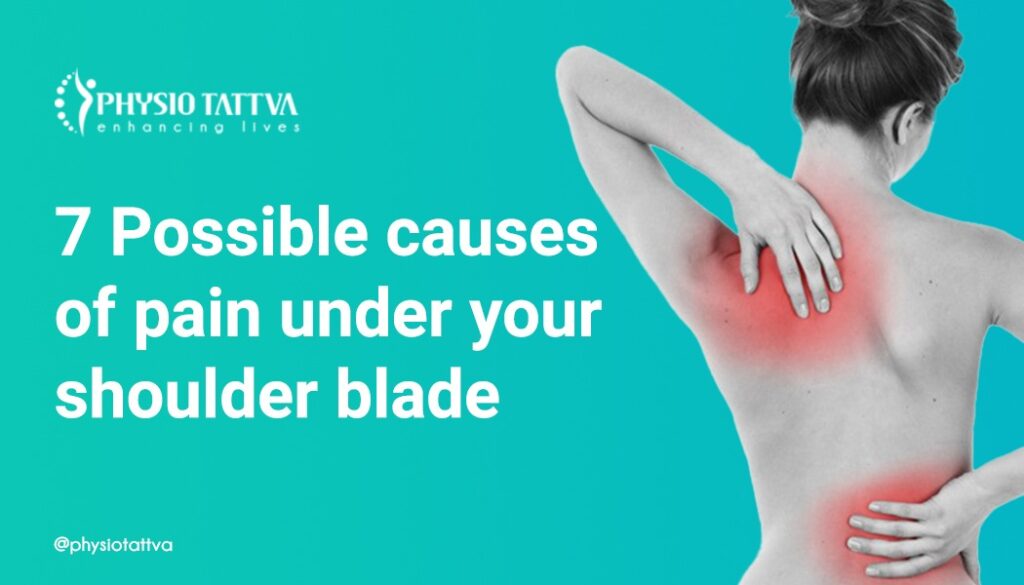
Understanding and Managing Scapular Pain: A Comprehensive Guide
As a common condition, scapular pain can be caused by a wide range of factors. In this article, we will focus on providing practical tips to reduce the discomfort associated with scapular pain.
What is Scapular Pain?
Scapular pain is a relatively widespread issue that can result from various underlying causes. Understanding the root cause of the problem is crucial in determining the best course of action to alleviate it.
Scapular pain can be caused by a variety of factors, including:
- Poor posture: Forward head posturing, rounded shoulders, and a forward lean can put strain on the scapula.
- Muscle imbalances: Weak or tight muscles in the shoulder blades, chest, and upper back can lead to poor scapular mechanics.
- Trauma: Injury or trauma to the scapula or surrounding muscles can cause pain and discomfort.
- Medical conditions: Certain medical conditions, such as arthritis, fibromyalgia, or Lyme disease, can cause scapular pain.
Is It Possible to Reduce Scapular Pain?
Yes, it is possible to reduce scapular pain with simple guidelines and practices. However, it’s essential to consult a healthcare professional for personalized advice on alleviating the discomfort and discovering its origin.
Reducing scapular pain requires a multi-faceted approach that incorporates exercise, lifestyle modifications, and potentially, medical treatment. Here are some steps you can take:
- Consult a Healthcare Professional: The first step in managing scapular pain is to consult with a healthcare professional. They will assess your condition accurately and create a personalized treatment plan tailored to your unique situation.
- Exercise Therapy: Exercise-based therapy is often the most effective way to manage scapular pain. Exercises can help strengthen the affected area, improve flexibility, and reduce muscle tension.
- Lifestyle Modifications: Making lifestyle modifications can also help alleviate scapular pain. This includes:
- Maintaining good posture
- Engaging in regular exercise
- Getting enough sleep
- Managing stress
- Medical Treatment: In some cases, medical treatment may be necessary to manage scapular pain. This can include:
- Pain relievers
- Muscle relaxants
- Physical therapy
Exercise Focused Therapy
The first line of treatment for many conditions is exercise-based therapy. Exercise can strengthen the affected area, while stretching exercises help alleviate muscle tension.
Before starting any new exercise program, it’s vital to proceed gradually and introduce warm-up routines to avoid exacerbating the pain.
- Warm-Up Routines: Before engaging in any exercise routine, it’s essential to start with a warm-up. This can include light cardio, such as walking or jogging, followed by dynamic stretching, such as arm circles and shoulder rolls.
- Strengthening Exercises: Strengthening exercises can help improve muscle function and reduce pain. Examples of strengthening exercises include:
- Shoulder blade squeezes
- Rowing motions
- Arm lifts
- Stretching Exercises: Stretching exercises can help improve flexibility and reduce muscle tension. Examples of stretching exercises include:
- Chest stretches
- Shoulder rolls
- Lat pulldowns
Rest and Relaxation
When experiencing scapular pain, it’s often helpful to take a break from activities that cause discomfort. Giving your body time to recover can significantly aid in the healing process.
- Avoiding Aggravating Activities: Identify activities that aggravate your scapular pain and avoid them for a while. This may include heavy lifting, bending, or any activity that causes discomfort.
- Getting Enough Rest: Getting enough rest is essential for recovery. Aim to get at least 7-8 hours of sleep per night and take naps during the day if needed.
- Relaxation Techniques: Relaxation techniques can help reduce stress and promote relaxation. Examples of relaxation techniques include:
- Deep breathing exercises
- Progressive muscle relaxation
- Meditation
Therapeutic Applications of Heat and Cold
Heat therapy, such as applying a warm compress or taking a warm bath, can be beneficial in relaxing tense muscles. Conversely, cold therapy uses ice packs or cold showers to reduce inflammation and ease pain.
The choice between heat and cold ultimately depends on individual preferences and the nature of your discomfort.
- Heat Therapy: Heat therapy is often recommended for relieving muscle tension and promoting relaxation.
- Cold Therapy: Cold therapy is often recommended for reducing inflammation and easing pain.
- Alternating Between Heat and Cold: Alternating between heat and cold can also be beneficial. For example, applying heat to the affected area for 10-15 minutes, followed by a 5-minute break, and then repeating the cycle.
Medication Options
Over-the-counter pain medications such as aspirin, ibuprofen, naproxen, or paracetamol can provide rapid relief from scapular pain. However, it’s crucial to follow the recommended dosage and consult with a healthcare professional before taking any medication.
Overusing pain relievers can lead to adverse effects on the gastrointestinal system.
- Aspirin: Aspirin is often used for pain relief due to its anti-inflammatory properties.
- Ibuprofen: Ibuprofen is also commonly used for pain relief due to its anti-inflammatory and analgesic properties.
- Naproxen: Naproxen is another over-the-counter medication that can provide relief from scapular pain.
- Paracetamol: Paracetamol is often used for pain relief, particularly for headaches and fever.
Massage Therapy
Massages have long been recognized as an excellent remedy for alleviating muscle tension. While professional massages are ideal, there are also some simple techniques you can try at home.
Using a tennis ball or foam roller to massage the affected area can help loosen tight muscles.
- Self-Massage Techniques: Self-massage techniques can be beneficial in relieving muscle tension and promoting relaxation.
- Tennis Ball Massage: Tennis balls can be used to massage out knots and kinks in the muscles. Place a tennis ball on the affected area and apply pressure by rolling it around.
Acupuncture
This ancient technique involves inserting thin needles into specific points on the body to stimulate healing processes. While its effectiveness may vary from person to person, many people have reported positive results from acupuncture treatments.
Acupuncture can be an effective complement to other therapies, especially when combined with a healthy lifestyle.
- Benefits of Acupuncture: Acupuncture has been shown to provide relief from various conditions, including pain and inflammation.
- How it Works: Acupuncture works by stimulating the body’s natural healing processes. This is achieved by inserting thin needles into specific points on the body that correspond to areas of tension or pain.
Medical Consultation
If none of these methods provide the relief you’re seeking, consulting a healthcare professional is highly recommended. They will assess your condition accurately and create a personalized treatment plan tailored to your unique situation.
Regular check-ups with your doctor or specialist can help ensure that any underlying conditions are addressed promptly.
- Importance of Medical Consultation: A medical consultation is essential for ensuring that any underlying conditions are properly diagnosed and treated.
- What to Expect: During a medical consultation, you can expect the healthcare professional to:
- Assess your condition accurately
- Create a personalized treatment plan tailored to your unique situation
- Provide guidance on lifestyle modifications
Preventing Scapular Pain
To avoid recurring scapular pain, it’s vital to adopt regular exercise routines. Strengthening the affected area will also aid in preventing future discomfort.
Consistency is key when building up endurance; aim to work out at least twice a week and allow for recovery time between sessions.
- Strengthening Exercises: Strengthening exercises can help improve muscle function and reduce pain.
- Flexibility Exercises: Flexibility exercises can help improve flexibility and range of motion.
- Balance Exercises: Balance exercises can help improve balance and coordination.
Frequently Asked Questions
Q: Can scapular pain be caused by poor posture?
A: Yes, scapular pain can often result from poor posture. Maintaining proper spinal alignment and engaging your core muscles during daily activities can significantly reduce the risk of discomfort.
Q: Will exercising directly address scapular pain?
A: Exercise is a crucial component in alleviating scapular pain, but it may not immediately eliminate the issue. Proceeding gradually and being mindful of body limitations will help you achieve optimal results.
Q: Are there any exercises that can worsen scapular pain?
A: Yes, certain exercises can exacerbate scapular pain. Avoid exercises that involve heavy lifting, bending, or any activity that causes discomfort.
Q: Can heat therapy relieve scapular pain?
A: Yes, heat therapy can provide relief from muscle tension and promote relaxation. It’s often recommended for relieving scapular pain.
By following these tips, you can effectively manage scapular pain and improve your overall quality of life.


