
Introduction
If you’ve ever heard of pasta shirataki, you’re likely familiar with its claim to fame as a low-calorie alternative to traditional pasta. But what exactly is this magical ingredient from Japan, and how does it live up to its promise? In this article, we’ll delve into the world of shirataki noodles, exploring their nutritional benefits, culinary uses, and more.
The Origins of Shirataki
Shirataki, also known as konjac pasta, has a rich history that dates back centuries. Its name “konjak” is derived from the Japanese word for “cascading white,” which refers to its unique texture when cooked. This Asian ingredient is made from the root of the konjac plant (Amorphophallus konjac), a type of yam native to China and Southeast Asia.
Shirataki: A Nutritional Powerhouse
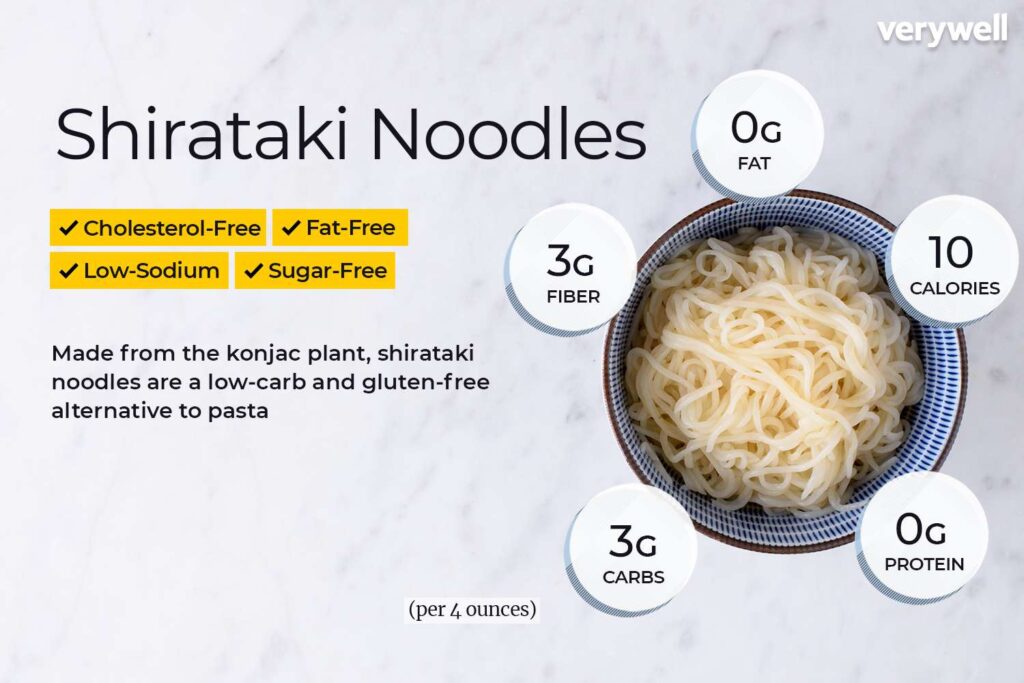
When it comes to nutritional value, shirataki noodles are a game-changer. With only 10-20 calories per serving, they’re an attractive option for those watching their weight or managing diabetes. But what’s behind this remarkable low-calorie count? The secret lies in the glucomannan content of the konjac plant.
Glucomannan is a type of soluble fiber that absorbs water and expands, making it difficult for the body to digest. This slow digestion rate helps regulate blood sugar levels and promotes feelings of fullness and satisfaction. Additionally, shirataki noodles are high in dietary fiber, containing up to 16 different types of amino acids.
Shirataki: A Dietary Delight
So, why should you choose shirataki over traditional pasta? For starters, its low calorie count makes it an excellent option for those on a diet. But beyond the nutritional benefits, shirataki noodles have several other advantages:
- High in fiber: Shirataki noodles are rich in soluble and insoluble fiber, which can help regulate blood sugar levels and promote digestive health.
- Low glycemic index: Due to its high fiber content and low glucomannan digestibility rate, shirataki noodles won’t cause a spike in blood sugar levels.
- Gluten-free: Shirataki noodles are naturally gluten-free, making them an excellent option for those with gluten intolerance or sensitivity.
Shirataki: Cooking and Preparation
So, how do you cook this wondrous ingredient? The answer lies in its versatility:
- Rehydrate: Simply soak the dried shirataki noodles in water for 10-15 minutes, then rinse and sauté them in your favorite sauce.
- Pan-fry: Cook the rehydrated noodles with olive oil, garlic, and herbs for a simple yet satisfying meal.
Shirataki: Where to Find It
You might be wondering where to get your hands on these miraculous noodles. Fear not! Shirataki noodles are widely available in most health food stores, Asian markets, and online retailers like Amazon.
Shirataki: Nutritional Comparison with Traditional Pasta
To put the nutritional benefits of shirataki into perspective, let’s compare it to traditional pasta:
| Nutrient | Traditional Pasta (1 cup cooked) | Shirataki Noodles (1/2 cup serving) |
|---|---|---|
| Calories | 150-200 | 10-20 |
| Carbohydrates | 35-40g | 5-7g |
| Fiber | 0-1g | 3-4g |
| Protein | 4-6g | 2-3g |
| Fat | 1-2g | 0.5-1g |
Shirataki: Culinary Uses and Recipes
Now that you’re familiar with the nutritional benefits of shirataki noodles, let’s explore some delicious recipes to get you started:
- Shirataki Stir-Fry: Sauté the rehydrated noodles with your favorite vegetables, such as bell peppers, carrots, and broccoli, and serve with a side of stir-fried chicken or tofu.
- Konjac Ramen: Cook the shirataki noodles in a flavorful broth made with pork or chicken stock, topped with green onions, sesame seeds, and pickled ginger.
- Shirataki Spaghetti Bolognese: Mix cooked shirataki noodles with your favorite bolognese sauce, made with ground beef, tomato sauce, and herbs.
Conclusion
In conclusion, shirataki noodles have come a long way since their humble beginnings as a traditional Japanese ingredient. With its remarkable nutritional profile, versatility in cooking, and gluten-free status, this low-calorie pasta alternative is sure to win over even the most discerning palates.
Frequently Asked Questions (FAQs)
- What are the health benefits of shirataki noodles?
Shirataki noodles are rich in fiber, which can help regulate blood sugar levels and promote digestive health. They’re also low in calories and high in dietary fiber. - Are shirataki noodles suitable for diabetics?
Yes, shirataki noodles are an excellent option for those managing diabetes due to their low glycemic index and high fiber content. - Can I eat shirataki noodles if I’m gluten-intolerant?
Absolutely! Shirataki noodles are naturally gluten-free, making them an excellent alternative to traditional pasta. - How do I cook shirataki noodles?
Simply rehydrate the dried noodles in water for 10-15 minutes, then rinse and sauté them with your favorite sauce or pan-fry them with olive oil, garlic, and herbs. - Where can I buy shirataki noodles?
You can find shirataki noodles at most health food stores, Asian markets, and online retailers like Amazon.


