
Understanding the Fire of St. Anthony: Causes, Remedies, and Treatment
As we delve into the world of health and wellness, it’s essential to understand the causes, remedies, and treatment options for a condition that can be quite debilitating – the fire of St. Anthony, also known as herpes zoster.
Before we dive in, please note that it’s crucial to consult a medical professional if you suspect you have this condition. The information provided here is not a substitute for professional medical advice.
What is Herpes Zoster?
Herpes zoster, commonly referred to as the fire of St. Anthony, is a viral infection caused by a member of the herpes family, which also includes herpes simplex. This virus can reactivate from its latent state in individuals who have previously contracted varicella (chickenpox).
The Connection between Herpes Zoster and Varicella
When the varicella virus initially infects an individual, it triggers a response that leaves the virus latent within the body. However, if conditions change or stress weakens the immune system, the virus can reactivated, leading to herpes zoster.
Symptoms of Herpes Zoster
Before the characteristic rash appears, individuals may experience fever and joint pain for several days. As the rash develops, a redness similar to that of eczema (urticaria) emerges on the skin. Over time, small blisters filled with fluid will appear, which can eventually crust over as they heal.
Prevalence and Transmission
Herpes zoster affects both young and adult populations, making it highly contagious until the blisters dry up and scab. Typically, the condition resolves within 10-14 days after onset, depending on individual factors and immune system strength.
Natural Remedies for Herpes Zoster
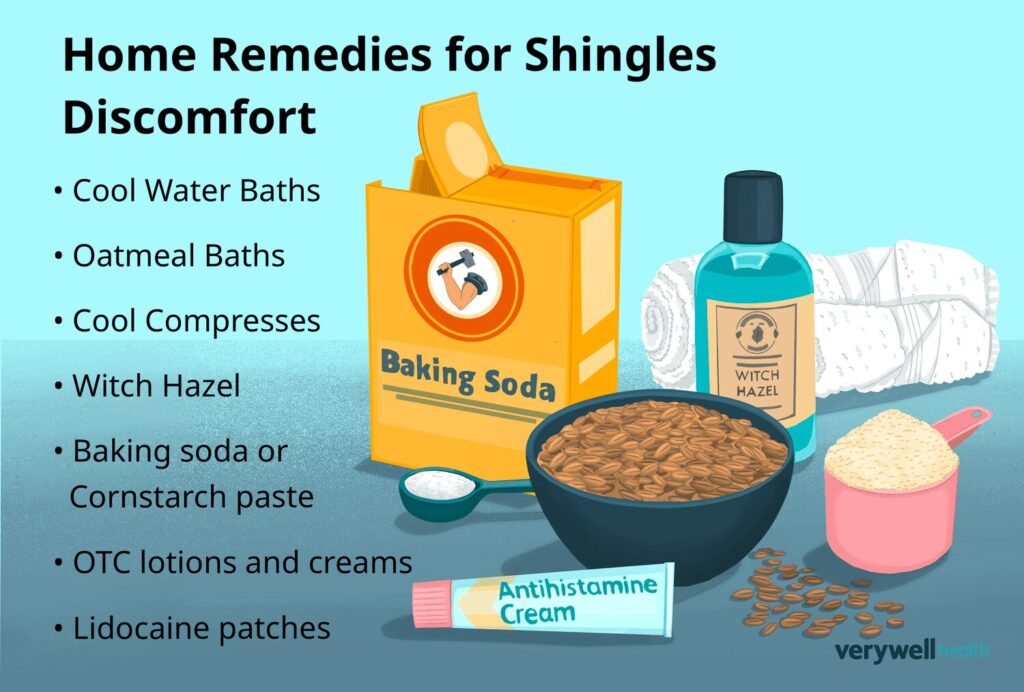
While medical treatment is essential, some natural remedies may help alleviate symptoms. Here are two options:
- Naiouli Oil: This essential oil has antiviral properties that can help reduce pain and inflammation associated with herpes zoster. To use it effectively, combine 2 drops of naiouli oil with a tablespoon of olive oil and apply it to the affected area at least four to six times daily.
- Macerated Glycerine of Black Currant (Ribes Nero): This natural compound can help reduce inflammation and alleviate pain caused by herpes zoster. To make the most of its benefits, dilute 1-2 teaspoons of macerated glycerine in a tablespoon of water and apply it to the affected area four times daily.
Medical Treatment for Herpes Zoster
A medical doctor should be consulted for proper diagnosis and treatment. The recommended course of action typically involves antiviral medication administered orally or via injection, starting 72 hours before the rash appears.
Common medications used to treat herpes zoster include:
- Aciclovir
- Famciclovir
- Valaciclovir
In some cases, individuals with weakened immune systems may require parenteral (via injection) treatment instead. If the fever is too high, additional pain relief medication such as acetaminophen or ibuprofen can be taken.
Prevention Strategies
While there’s no guaranteed way to prevent herpes zoster, maintaining a healthy lifestyle and taking steps to boost your immune system can reduce the risk of contracting the virus. Here are some prevention strategies:
- Get vaccinated: The varicella vaccine is available for individuals aged 5 years and older, which can significantly reduce the risk of contracting varicella and subsequently herpes zoster.
- Practice good hygiene: Washing your hands frequently, avoiding close contact with infected individuals, and maintaining a safe distance from them can help prevent transmission.
- Stay physically active: Regular exercise can boost your immune system, making it less susceptible to infections like herpes zoster.
Conclusion
Herpes zoster is a viral infection that requires proper medical attention. While natural remedies can provide some relief, they should not replace conventional treatment under any circumstances. Always consult with a healthcare professional for personalized guidance and support throughout the healing process.
Frequently Asked Questions:
- Can herpes zoster be prevented?
- No, but maintaining a healthy lifestyle, getting regular vaccinations (e.g., varicella), and avoiding close contact with infected individuals can reduce the risk.
- How long does it take to recover from herpes zoster?
- Typically 10-14 days after onset, depending on individual factors and immune system strength.
- Can I treat herpes zoster at home without a doctor’s prescription?
- No, as medical treatment is usually necessary to effectively manage symptoms and prevent complications.
- Are there any side effects from taking antiviral medication for herpes zoster?
- Common side effects may include nausea, vomiting, diarrhea, and headache. Always consult with your healthcare provider about potential risks and benefits before starting treatment.
- Can I get herpes zoster more than once?
- Yes, as the virus remains latent in the body after an initial infection.
- How do I know if I have herpes zoster or just a cold sore?
- If you experience a painful rash with blisters and fever, it’s likely herpes zoster. Consult a medical professional for proper diagnosis and treatment.
- Can I share personal items (e.g., towels, utensils) with someone who has herpes zoster to prevent transmission?
- No, as close contact can spread the virus. Practice good hygiene by washing hands frequently, avoiding touching your face, and maintaining a safe distance from infected individuals.
- Are there any alternative treatments for herpes zoster besides antiviral medication?
- While some natural remedies may provide relief, they should not replace conventional treatment under any circumstances. Always consult with your healthcare provider before trying alternative therapies.


