
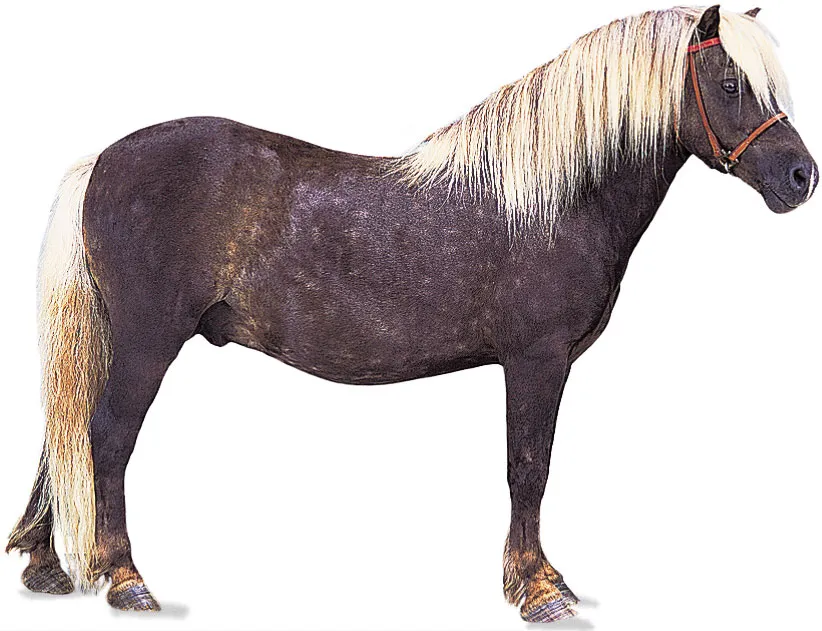
As we delve into the world of equine wonders, few creatures have captured the hearts of many as the Shetland pony. Often referred to as a pony, but technically a miniature horse, this robust and powerful animal has been a faithful companion to humans for centuries. In this article, we’ll embark on an adventure to explore the origins, characteristics, and temperament of the majestic Shetland pony.
The Origins of the Shetland Pony
Hailing from the rugged landscapes of the Shetland Islands, the Orcadian Islands, and the northern Scotland, the Shetland pony has a rich history dating back to ancient times. Archaeological findings suggest that the breed has its roots in the Bronze Age, with remnants of the era still visible today. As we journey through time, we find that the Shetland pony was perfectly suited to the harsh yet beautiful environments of its native lands.
Characteristics: Height and Weight
With an average height of 90-105 cm (35-41 inches) at the withers, the Shetland pony is indeed a small but mighty creature. Weighing between 150-180 kg (330-390 pounds), this miniature horse is sturdy and robust, thanks to its compact physique. The Shetland’s mesomorphic features make it an endearing sight, with a broad forehead, expressive ears, and a strong neck that supports its robust body.
The Character of the Shetland Pony
As we delve deeper into the world of Shetland ponies, we discover an animal of remarkable courage and docility. Adaptable to various environments, this pony has learned to thrive in even the most challenging conditions. With a gentle yet strong personality, it’s no wonder that the Shetland pony has become an ideal companion for riders of all ages. However, be warned: some ponies may exhibit a bit of testiness and stubbornness, but with patience and understanding, they’ll soon become your loyal companions.
Attitudes and Roles
In its heyday as a mining pony, the Shetland was invaluable in transporting heavy loads across treacherous terrain. Today, this breed has transitioned to new roles, such as equitaiion training for children and adults alike. Its gentle nature makes it an excellent choice for therapeutic riding programs, while its energetic spirit ensures that it remains a joy to ride.
The History of the Shetland Pony
To understand the evolution of the Shetland pony, we must journey through time, tracing its roots back to the Bronze Age. As glaciers retreated and human settlements grew, so did the Shetland pony’s adaptability. Its genealogy has been shaped by centuries of interaction with other breeds, resulting in two distinct types: the Cob (found in the tundra) and the Pony (native to southern Europe).
Breeding and Alimentation
Shetland ponies are often raised on pasture, where they feast on a diet of grasses, mosses, and lichens. In captivity, they can be fed a mixture of hay and grains, supplemented with vitamins and minerals as needed. With careful management, Shetlands can reproduce throughout the year, with peak breeding periods occurring in February and July.
Frequently Asked Questions
-
What is the typical lifespan of a Shetland pony?
The average lifespan of a Shetland pony is around 25-30 years, although some individuals have been known to live into their 40s. -
Can Shetland ponies be ridden by people with disabilities?
Absolutely! Their gentle nature and compact size make them an ideal breed for therapeutic riding programs. -
How do I care for a Shetland pony?
Providing regular exercise, proper nutrition, and adequate shelter are essential to maintaining the health and well-being of your Shetland pony. -
Can Shetland ponies be trained to pull carriages?
Yes! Their strength and agility make them suitable for carrying heavy loads, including those required for carriage driving. -
How can I find a reputable breeder or trainer for my Shetland pony?
Research local breeders and trainers, ask for references, and ensure they adhere to recognized standards and guidelines. -
What are the typical health issues affecting Shetland ponies?
Common health concerns include obesity, laminitis, and joint problems, which can be managed with proper care and attention. -
Can I show my Shetland pony in competitions?
Yes! The breed is recognized by various equine organizations, offering opportunities for exhibition and competition. -
How do I get started with riding a Shetland pony?
Begin by seeking guidance from an experienced instructor or breeder, focusing on building trust and establishing a strong bond between you and your mount.
Grooming and Health Care
To keep your Shetland pony healthy and thriving, regular grooming is essential. Regularly brushing the coat will help prevent matting and tangling, while trimming hooves every 4-6 weeks will ensure that they remain in good condition.
In addition to grooming, it’s also crucial to maintain proper health care for your Shetland pony. Regular veterinary check-ups should be performed at least annually, with annual vaccinations and deworming schedules tailored to the individual horse’s needs.
Training and Handling
Shetland ponies are known for their intelligence and willingness to please, making them an excellent choice for first-time riders or those looking to start training a new mount. With patience and consistency, you can develop a strong bond with your Shetland pony, even if it takes time.
In terms of training, Shetlads respond well to positive reinforcement techniques such as clicker training and reward-based methods. Be patient and gentle when handling the horse, using clear communication and guiding them through complex exercises with ease.
Care and Maintenance
To ensure that your Shetland pony stays healthy and strong, it’s essential to provide a suitable living environment. A clean, dry shelter with adequate ventilation will help keep your pony comfortable, while regular exercise such as daily walks and training sessions should be incorporated into its routine.
Additionally, proper feeding is crucial in maintaining the overall health of your Shetland pony. High-quality hay and grains should be provided in moderation, supplemented with fresh water and minerals as needed.
Conclusion
In conclusion, the majestic Shetland pony has captured our hearts for centuries, offering an array of unique characteristics that make it an ideal companion for riders of all ages. Whether you’re a seasoned equestrian or just starting your equine journey, this breed offers an unforgettable experience that is both challenging and rewarding.
With proper care, attention, and dedication, the Shetland pony can become a beloved companion and trusted mount. By delving deeper into their origins, characteristics, and temperament, we gain a greater appreciation for this incredible species.


