
Introduction
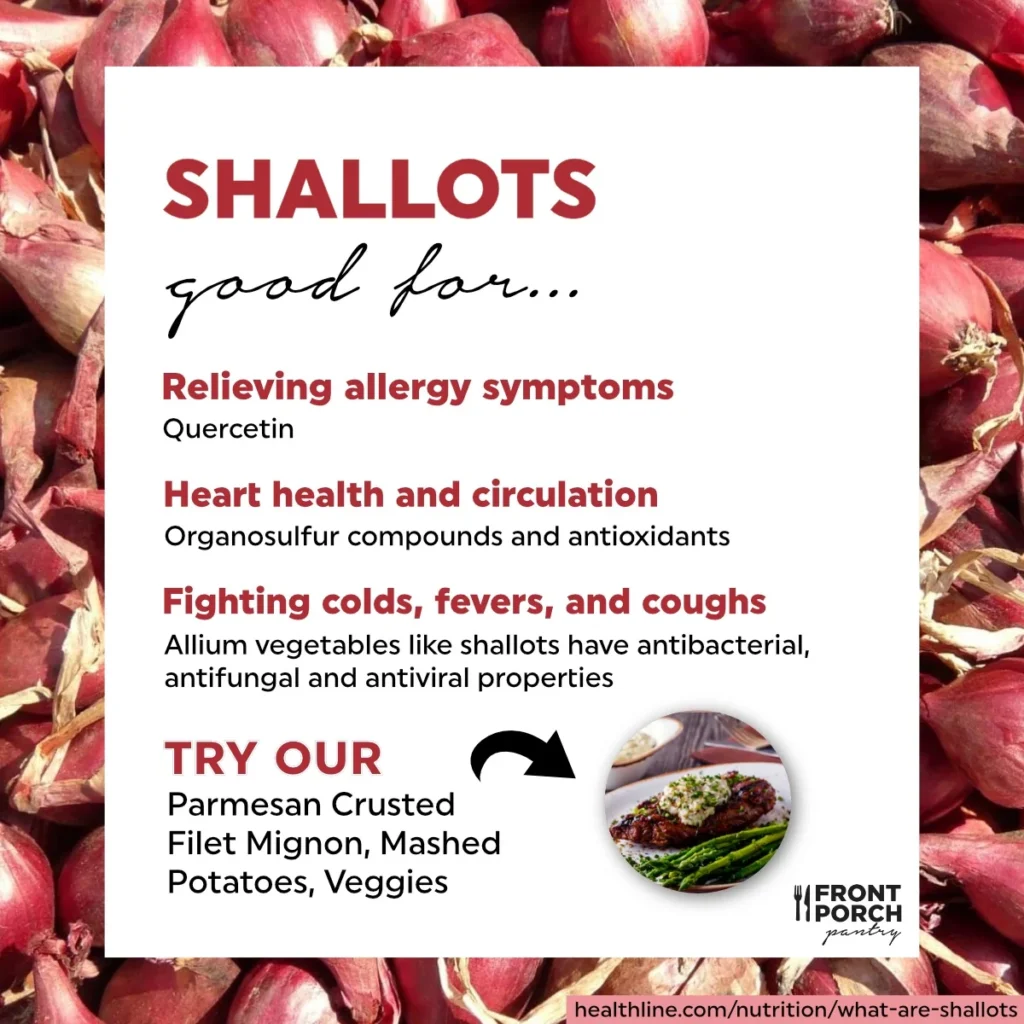
In the world of vegetables, there’s often a lot of hype surrounding the “superfoods” that are touted as miracle workers. But what about the humble scalogno? This lesser-known veggie is packed with nutrients, antioxidants, and even has some impressive health benefits. In this article, we’ll delve into the wonderful world of scalognos, exploring their history, nutritional profile, culinary uses, and more.
What’s a Scalogno?
So, what exactly is a scalogno? This Italian vegetable is a type of bulbous plant that belongs to the Allium family, which also includes garlic and onions. While it may look similar to its cousins, the scalogno has some unique characteristics that set it apart.
Differences between Scalognos and Cipollas
Before we dive into the world of scalognos, let’s talk about their differences from cipollas (which are essentially Italian onions). While both vegetables belong to the same family, they have distinct differences in terms of flavor, texture, and even nutritional content.
Scalogno bulbs are typically larger and more elongated than cipolla bulbs, with a sweeter, milder flavor. They also tend to be less pungent than cipollas, making them a great choice for cooking dishes where you want a subtle onion flavor.
The Power of Raw Scalognos
When it comes to consuming scalognos, raw is best. The heat from cooking can damage some of the delicate nutrients found in this veggie, so it’s best to enjoy them fresh or lightly steamed. And speaking of nutrition, let’s take a closer look at what makes scalognos such a superfood.
Scalogno Nutritional Profile
Here are some of the key nutrients you’ll find in 100 grams of raw scalogno:
- Calories: 72 kcal
- Carbohydrates: 16.8g
- Fat: 0.1g
- Protein: 2.5g
- Thiamin (Vitamin B1): 0.06mg
- Riboflavin (Vitamin B2): 0.02mg
- Niacin (Vitamin B3): 0.2mg
- Pantothenic acid (Vitamin B5): 0.29mg
- Vitamin B6: 0.345mg
- Folate (Vitamin B9): 34mcg
- Vitamin C: 8mg
- Calcium: 37mg
- Iron: 1.2mg
- Magnesium: 21mg
- Phosphorus: 60mg
- Potassium: 334mg
- Zinc: 0.4mg
Scalogno’s Health Benefits
So, what makes scalognos such a superfood? Here are some of the key health benefits associated with this veggie:
- Antioxidant Powerhouse: Scalognos contain an impressive array of antioxidants, including flavonoids and phenolic acids.
- Anti-Inflammatory Properties: The quercetin in scalognos has been shown to have anti-inflammatory properties, which can help reduce inflammation and alleviate symptoms associated with conditions like arthritis.
- Antibacterial and Antifungal Properties: Scalognos contain compounds that have antibacterial and antifungal properties, making them effective against a range of microorganisms.
- Supports Eye Health: The antioxidants in scalognos may also help protect the eyes from damage caused by free radicals, reducing the risk of age-related macular degeneration.
- May Help Lower Blood Pressure: The potassium content in scalognos can help lower blood pressure by counteracting the effects of sodium and promoting healthy blood vessel function.
Culinary Uses
So, how can you incorporate scalognos into your diet? Here are some ideas:
- Add to Salads: Thinly slice or chop scalognos and add them to salads for a burst of flavor.
- Use in Soups: Add diced scalognos to soups and stews for an extra boost of nutrition.
- Make a Compound Butter: Mix softened butter with minced scalognos, salt, and pepper for a delicious compound spread.
- Roast as a Side Dish: Roasting scalognos brings out their natural sweetness, making them a great side dish for grilled meats or roasted vegetables.
- Use in Pickling: Slice scalognos thinly and soak them in vinegar, sugar, and spices to create a tangy pickled snack.
Growing Your Own Scalognos
Want to grow your own scalognos? Here are some tips:
- Planting Time: Plant seeds in the fall or early spring, about 8-10 weeks before the first frost.
- Soil Requirements: Scalognos prefer well-draining soil with a pH between 6.0 and 7.5.
- Watering: Keep the soil consistently moist during the growing season.
- Pest Control: Watch out for pests like aphids, whiteflies, and spider mites, which can damage scalogno plants.
Tips for Harvesting Scalognos
When it comes to harvesting scalognos, timing is everything. Here are some tips:
- Wait until the Bulbs Are Fully Formed: Scalognos take about 6-8 months to mature after planting.
- Dig Carefully: Use a fork to gently dig around the bulb, taking care not to damage it further.
- Dry the Bulb: Allow the harvested scalogno to dry completely before storing it in a cool, dark place.
Preserving Scalognos
To preserve scalognos for longer-term storage, try these methods:
- Freeze Them: Slice or chop scalognos and freeze them in an airtight container or freezer bag.
- Dehydrate Them: Dehydrating scalognos helps preserve their nutrients and makes them easy to store.
- Make Pickled Scalognos: Slice scalognos thinly and soak them in vinegar, sugar, and spices for a tangy snack.
Conclusion
In conclusion, scalognos are a nutritional powerhouse that deserves more attention. With their impressive antioxidant profile, anti-inflammatory properties, and antibacterial compounds, this veggie is truly a miracle worker. Whether you’re looking to add some flavor to your salads or simply want to boost your nutrition, consider incorporating scalognos into your diet.
Frequently Asked Questions
- What’s the difference between scalogno and cipolla?
Scalogno and cipolla are both members of the Allium family, but they have distinct differences in terms of flavor, texture, and nutritional content. - How do I store scalognos?
Scalognos can be stored in a cool, dry place for up to 6 months. You can also freeze them for longer-term storage. - Can I grow my own scalognos?
Yes, you can grow your own scalognos by planting seeds in the fall or early spring, and following proper care instructions. - Are scalognos safe to eat raw?
Yes, scalognos are safe to eat raw. In fact, cooking them can damage some of their delicate nutrients. - How do I use scalognos in cooking?
Scalognos can be used in a variety of dishes, including salads, soups, and stews. Simply chop or slice them thinly and add them to your recipe. - Are scalognos high in calories?
Yes, scalognos are relatively low in calories compared to other vegetables. However, they do contain some carbohydrates and natural sugars. - Can I use scalognos as a natural remedy for colds and flu?
Yes, the antibacterial properties of scalognos make them effective against a range of microorganisms, including those that cause colds and flu.
By incorporating scalognos into your diet, you can reap the rewards of this nutritional powerhouse. Whether you’re looking to boost your nutrition or simply want to add some flavor to your meals, consider giving scalognos a try!


