
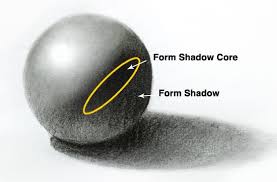
Shadows are an essential aspect of technical drawing, as they help create realistic representations of objects. This concept is not only crucial in the field of art but also in architecture and design. In this article, we will delve into the world of shadows, exploring their significance, types, and applications.
What Are Shadows?
Shadows are the dark areas that appear on a surface when an object blocks light from shining on it. The concept of shadows is fundamental to understanding how objects interact with their environment. By analyzing shadows, artists and designers can gain insight into the three-dimensional nature of an object.
Types of Shadows
There are several types of shadows, each resulting from different sources of light. These include:
- Point light sources: Shadows cast by point light sources, such as lamps or candles, are typically sharp and well-defined.
- Infinite light sources: Shadows created by infinite light sources, like the sun, tend to be softer and less defined.
- Diffuse light sources: Shadows produced by diffuse light sources, such as clouds or fog, often appear as soft, hazy outlines.
Technical Drawing and Shadows
When it comes to technical drawing, understanding shadows is crucial for creating accurate representations of objects. The following techniques can help artists and designers master the art of shadowing:
- Tracing rays: By tracing the paths of light rays onto a surface, artists can create detailed, realistic shadows.
- Using reference images: Referencing real-world images or photographs can provide valuable insights into how shadows behave in different lighting conditions.
Applying Shadows in Technical Drawing
Shadows play a vital role in technical drawing, as they help convey the depth and complexity of an object. By applying shadowing techniques, artists can:
- Create realistic representations: Shadows can add texture, depth, and realism to drawings.
- Enhance visual clarity: Strategic placement of shadows can improve the overall visual appeal of a drawing.
Understanding Shadow Form
To accurately depict shadows in technical drawing, it’s essential to understand shadow form. Shadow form refers to the three-dimensional quality of a shadow, which can be influenced by various factors such as:
- Size and shape: The size and shape of an object will determine the size and shape of its shadow.
- Light source position: The position of the light source relative to the object will impact the intensity and direction of the shadows.
- Surface texture: The surface texture of an object can affect how light interacts with it, resulting in varying shadow forms.
Applying Shadow Form Techniques
To apply shadow form techniques effectively, artists can use a range of methods, including:
- Shading exercises: Regular shading exercises can help improve understanding of shadow form and its relationship to the object’s surface.
- Anatomy studies: Studying the human body or other subjects can provide insight into how light interacts with different surfaces, resulting in more accurate depictions of shadows.
Conclusion
Shadows are a fundamental aspect of technical drawing, offering a wealth of creative possibilities for artists and designers. By understanding different types of shadows, applying shadowing techniques, and leveraging reference images, individuals can master the art of shadowing and create stunning, realistic drawings.
Frequently Asked Questions (FAQs)
- What is the purpose of shadows in technical drawing?
Shadows help create realistic representations of objects by conveying depth, texture, and complexity. - How do I apply shadowing techniques effectively?
Start by tracing rays onto a surface to create detailed, realistic shadows. Use reference images or observe real-world lighting conditions to gain insight into how shadows behave. - What are some common sources of light in technical drawing?
Point light sources, infinite light sources, and diffuse light sources are all used in technical drawing to create a range of shadow types. - How do I use shadows to enhance visual clarity in drawings?
Strategic placement of shadows can improve the overall visual appeal of a drawing by adding depth and interest to your work. - Can I use computer software to create realistic shadows in technical drawings?
Yes, many computer-aided design (CAD) programs offer advanced shadowing capabilities that can help you achieve realistic results.
Additional Resources
- “Arte come mestiere” by Bruno Munari
- Theoretical frameworks for understanding shadows in art and design


