
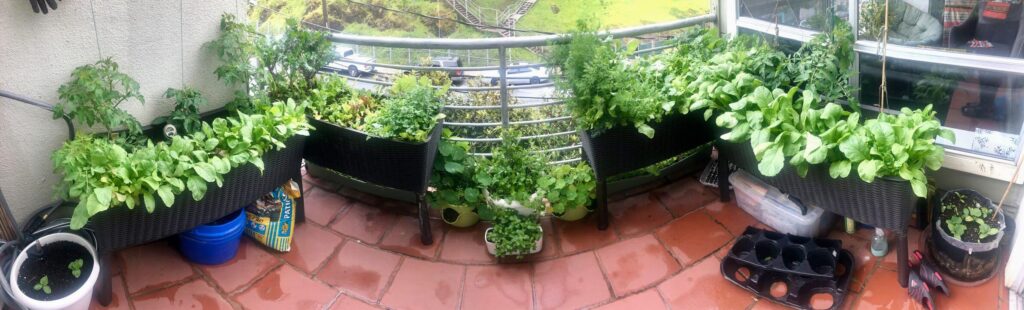
Why Growing an Organic Roof Garden is a Must
As the demand for sustainable living grows, more and more people are turning their attention to rooftop gardens. Not only do they provide a peaceful oasis in the midst of a bustling city, but they also offer a unique opportunity to grow your own organic produce while reducing your carbon footprint. In this article, we’ll explore the benefits of creating a sustainable rooftop garden on your balcony.
Getting Started: Challenges and Opportunities
When it comes to growing an organic roof garden, there are several challenges to consider. For one, balconies are often exposed to harsh weather conditions, pollution, and pests that can damage plants. Additionally, rooftops can be limited in terms of space, making it essential to choose the right plants for your specific climate and environment.
However, with careful planning and attention to detail, you can create a thriving rooftop garden that not only provides fresh produce but also enhances your overall well-being.
Key Considerations for Balcony Gardening
Before you start planting, there are several key factors to consider:
- Space constraints: Choose plants that require minimal space and can thrive in compact conditions.
- Light exposure: Ensure that your plants receive sufficient sunlight throughout the day.
- Wind protection: Use trellises or screens to shield your plants from harsh winds.
- Irrigation: Develop a plan for watering your plants, taking into account factors like rainfall and temperature.
Plant Selection: Choosing the Right Crops
Not all plants are created equal when it comes to rooftop gardening. Some require more space than others, while some thrive in specific conditions. Here are some popular crops that do well on balconies:
- Leafy greens: Spinach, lettuce, kale, and arugula are all great options for balcony gardens.
- Herbs: Basil, mint, cilantro, and parsley are easy to grow and require minimal space.
- Vines: Peppers, eggplants, and tomatoes can be trained to climb trellises or cages.
- Root vegetables: Carrots, radishes, and beets can thrive in shallow containers.
Additional Tips for Balcony Gardening
To ensure the success of your rooftop garden:
- Use self-watering planters: These can reduce watering frequency and prevent overwatering.
- Choose compact varieties: Look for dwarf or compact varieties of fruits and vegetables that are specifically bred for container gardening.
- Consider vertical gardening: Use trellises, arbors, or wall-mounted planters to maximize space and create a visually appealing display.
Getting the Most Out of Your Balcony Garden
To get the most out of your rooftop garden:
- Monitor temperature and humidity: Adjust your watering schedule accordingly.
- Keep an eye on pests: Use organic pest control methods whenever possible.
- Enjoy the benefits: Relax, recharge, and reap the rewards of growing your own organic produce.
Frequently Asked Questions
Here are some common questions about balcony gardening:
- Q: How much space do I need for a rooftop garden?
A: The amount of space needed will depend on the size of plants you choose. However, compact varieties can thrive in as little as 6-8 inches of depth. - Q: What’s the best way to water my balcony garden?
A: Use self-watering planters or soaker hoses to minimize watering frequency and prevent overwatering. - Q: How do I protect my plants from wind?
A: Use trellises, screens, or other windbreaks to shield your plants from harsh winds. - Q: What are some common pests that affect rooftop gardens?
A: Aphids, whiteflies, and spider mites are common pests that can be controlled using organic methods.
Common Mistakes to Avoid
When it comes to balcony gardening, there are several mistakes to avoid. Here are a few common ones:
- Overwatering: This is one of the most common mistakes made by new gardeners. Make sure to check the soil moisture regularly and only water when necessary.
- Insufficient sunlight: Most plants require at least 6 hours of direct sunlight per day. If your balcony receives less light, consider using grow lights or choosing shade-tolerant plants.
- Poor air circulation: This can lead to fungal diseases and pest infestations. Make sure to provide good air circulation around your plants by using fans or allowing for adequate space between containers.
Long-Term Benefits of Rooftop Gardening
Rooftop gardening offers a range of long-term benefits, including:
- Fresh produce: Growing your own fruits and vegetables can save you money on grocery bills and provide access to fresh, organic produce.
- Improved mental health: Being surrounded by nature has been shown to reduce stress levels and improve overall well-being.
- Increased property value: A rooftop garden can increase the value of your property and make it more attractive to potential buyers.
Creating a Sustainable Rooftop Garden: A Guide to Balcony Gardening
To create a sustainable rooftop garden, consider the following:
- Use recycled materials: Consider using recycled materials for planters, trellises, and other gardening equipment.
- Implement rainwater harvesting: Collect rainwater in a barrel or cistern to reduce your water usage and lower your water bill.
- Choose low-maintenance plants: Select plants that require minimal maintenance and care, such as succulents and herbs.
Conclusion
Creating a sustainable rooftop garden on your balcony can be a rewarding and challenging project. By following the tips and guidelines outlined in this article, you can create a thriving garden that provides fresh produce while enhancing your overall well-being. Remember to choose the right plants for your specific climate and environment, use self-watering planters, and monitor temperature and humidity levels. With careful planning and attention to detail, you can enjoy the many benefits of rooftop gardening while reducing your carbon footprint.
Additional Resources
If you’re interested in learning more about balcony gardening, here are some additional resources:
- National Gardening Association: This organization offers a wealth of information on gardening, including tips for beginners and advanced gardeners.
- Balcony Garden Society: This society provides support and resources for balcony gardeners, including advice on plant selection and care.
- Local nurseries and gardening stores: Visit local nurseries and gardening stores to learn more about the best plants for your specific climate and environment.
By following these tips and considering the unique challenges of balcony gardening, you can create a thriving rooftop garden that provides fresh produce while enhancing your overall well-being.


