
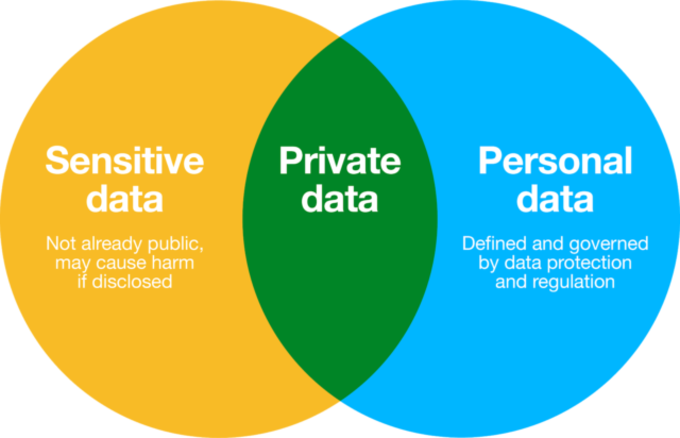
As we navigate the digital landscape, sensitive data has become an increasingly important aspect of our online lives. However, with the rise of technology and social media, there is a growing concern about the misuse of personal information. In this article, we will delve into the world of sensitive data, exploring its definition, types, and implications for individuals and organizations.
What are Sensitive Data?
Sensitive data refers to personal information that identifies or renders a person identifiable, including details about their characteristics, habits, lifestyle, and relationships. This can include health information, financial data, political affiliations, and more. Not all personal data is sensitive, but certain types of information carry greater risks and require special consideration.
Types of Sensitive Data
Sensitive data can be broadly categorized into three groups:
- Identifying Information: This includes data that directly identifies an individual, such as names, addresses, phone numbers, and social security numbers.
- Ancestral Information: This type of data is sensitive because it can reveal information about a person’s ancestry, ethnicity, or cultural background.
- Sensitizing Information: This category includes data that may not be directly identifiable but can still have significant implications for an individual’s privacy.
Why is Sensitive Data Important?
Sensitive data has significant importance in the modern digital age due to its potential impact on an individual’s identity, safety, and security. When sensitive information falls into the wrong hands, it can lead to identity theft, financial fraud, or even physical harm.
Sharing Sensitive Data Online
When sharing sensitive data online, it is crucial to consider the risks involved. While social media platforms like Facebook provide a convenient way to connect with others, they also pose significant threats to personal privacy.
- Location Information: Sharing your location on social media can make you vulnerable to stalking or harassment.
- Health and Financial Data: Posting about your health or financial situation online can compromise your security.
- Relationships and Interests: Sharing details about your relationships, interests, or hobbies can attract unwanted attention.
Protecting Sensitive Data
To protect sensitive data, individuals should adopt a few simple strategies:
- Be Cautious Online: Be mindful of what you share online and avoid posting unnecessary information.
- Use Strong Passwords: Use unique and strong passwords to secure your accounts and devices.
- Monitor Your Accounts: Regularly check your bank and credit card statements for suspicious activity.
Regulations and Laws
To ensure that sensitive data is protected, governments and organizations have established regulations and laws:
- GDPR (General Data Protection Regulation): A European Union law that sets strict guidelines for the collection and use of personal data.
- Data Protection Act: A UK law that regulates the handling of personal data and provides individuals with rights to access their information.
Conclusion
Sensitive data is a complex issue in the digital age, requiring careful consideration and protection. By understanding what sensitive data is, why it’s important, and how to protect it, individuals can safeguard their privacy and security online. Whether you’re an individual or an organization, taking steps to protect sensitive data is essential for ensuring a safe and secure online environment.
Best Practices for Sensitive Data Protection
- Implement Access Controls: Limit access to sensitive data to authorized personnel only.
- Use Encryption: Encrypt sensitive data both in transit and at rest to prevent unauthorized access.
- Conduct Regular Security Audits: Conduct regular security audits to identify vulnerabilities and address them promptly.
Common Misconceptions About Sensitive Data
- Myth: I can protect my sensitive data by using a password manager.
- Reality: A password manager is just one part of a comprehensive security strategy.
- Myth: I only need to worry about sensitive data if I’m an individual.
- Reality: Sensitive data also affects organizations, businesses, and governments.
The Future of Sensitive Data Protection
As technology continues to evolve, the importance of sensitive data protection will only grow. To stay ahead of the curve, individuals and organizations must prioritize sensitive data protection and remain vigilant about potential threats.
By understanding the complexities of sensitive data and taking steps to protect it, individuals can ensure a safe and secure online environment. Whether you’re an individual or an organization, taking care of your sensitive data is essential for protecting your identity, safety, and security in the digital age.
Frequently Asked Questions (FAQs)
- What constitutes sensitive data?
- Sensitive data includes personal information that identifies or renders a person identifiable.
- Why is sensitive data important?
- Sensitive data has significant importance in the modern digital age due to its potential impact on an individual’s identity, safety, and security.
- How can I protect my sensitive data online?
- To protect your sensitive data online, be cautious when sharing information, use strong passwords, and monitor your accounts regularly.
By following these guidelines and best practices, you can safeguard your sensitive data and ensure a safe and secure online environment.


