
As we go about our daily lives, it’s easy to take for granted the incredible organ systems that allow us to interact with the world around us. Our senses – sight, sound, touch, taste, and smell – are the windows through which we experience reality. But have you ever stopped to think about what makes each of these senses tick? In this article, we’ll delve into the fascinating world of our five organs of sense, exploring their unique functions, how they work together, and why they’re so essential to our human experience.
What Are Our Organs of Sense?
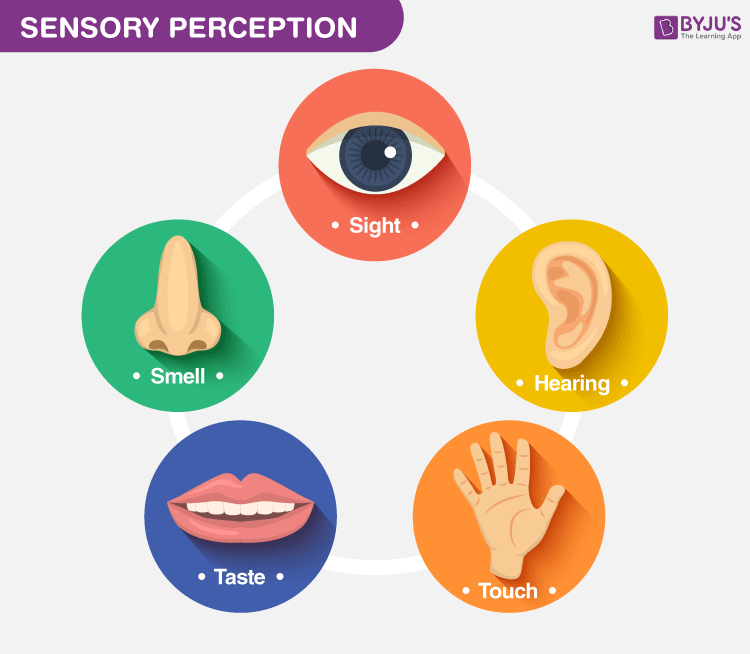
Let’s start with a simple question: what are our organs of sense? In essence, they’re the tools that allow us to perceive the world around us. The five main organs of sense are:
- Eyes (sight)
- Ears (sound)
- Tongue (taste)
- Nose (smell)
- Skin (touch)
These organs work together in harmony to provide us with a rich and nuanced experience of reality.
Learning About Our Senses in School
Our understanding of the senses begins early on, even before we start formal education. In elementary school, children learn about each organ of sense through hands-on activities and games. They may even get to design their own models or create art projects that illustrate how our senses work together.
For example, a popular book called “La storia di Marilù e i 5 sensi” (The Story of Marilù and the Five Senses) uses storytelling and illustrations to teach kids about each organ of sense. This engaging approach helps children develop a deeper appreciation for the intricate mechanisms that make our senses possible.
Visualizing Our Organs of Sense
Imagine looking at your best friend’s face. As you scan their features, you can visualize the different organs of sense working together. The skin is visible, and so are the eyes, ears, nose, tongue, and tongue. This mental image helps us connect with our bodies and appreciate the intricate mechanisms that allow us to perceive the world.
For instance, when we see a color or shape, it’s processed by the eyes, which send signals to the brain. The brain then interprets this information, allowing us to understand what we’re seeing.
Uncovering the Mysteries of Sound
When it comes to sound, our ears play a crucial role. These delicate organs are responsible for capturing external sounds and transmitting them to the brain, where they’re interpreted as music, voices, or other noises. The process begins with the eardrum, which vibrates in response to sound waves.
These vibrations travel through three tiny bones (ossicles) before reaching the cochlea, a spiral-shaped structure that converts sound waves into electrical signals for the brain.
Tasting and Smelling: A World of Flavors
Our sense of taste is closely linked to smell. The tongue has specialized receptors called papillae, which contain tiny hair-like projections called microvilli. These help detect chemicals in food and drinks, allowing us to experience different flavors.
Smell, on the other hand, is processed by the nose, where specialized cells (chemoreceptors) detect molecules in the air. The brain then interprets this information, creating an aroma that complements our sense of taste.
The Power of Touch
Our sense of touch is often overlooked but plays a vital role in shaping our experiences. The skin is incredibly sensitive, containing millions of nerve endings that transmit signals to the brain when stimulated.
This includes sensations like pressure, temperature, and vibrations, which allow us to feel textures, temperatures, and even emotions.
Common Questions About Our Senses
Here are some frequently asked questions about our five organs of sense:
- What is the primary function of each organ of sense?
- How do we perceive colors through sight?
- Why do we need both ears to hear sounds?
- How does smell work in relation to taste?
- Can people with sensory impairments still experience the world around them?
Frequently Asked Questions (FAQs)
-
What is the primary function of each organ of sense?
- Eyes: sight
- Ears: sound
- Tongue: taste
- Nose: smell
- Skin: touch
- How do we perceive colors through sight?
When light enters our eyes, it stimulates specialized cells called photoreceptors (rods and cones). These cells convert light into electrical signals that are transmitted to the brain, where they’re interpreted as color.
3. Why do we need both ears to hear sounds?We use both ears to create a stereo effect, allowing us to perceive sound in three dimensions. This is made possible by the different timing and intensity of sounds detected by each ear.
4. How does smell work in relation to taste?Smell and taste are closely linked. When we eat or drink something, molecules from those substances travel up our throat and into our nose. There, they’re detected by chemoreceptors, which send signals to the brain that complement the flavor experience.
5. Can people with sensory impairments still experience the world around them?Yes, many people with sensory impairments can still experience the world around them in various ways. For example, some may rely on their other senses more heavily or develop alternative ways of perceiving their environment.
The Science Behind Our Senses
Our senses are made possible by an intricate network of neurons and specialized cells that work together to detect and process information from our environment. Here’s a brief overview of the science behind each organ of sense:
- Eyes: The eyes contain specialized cells called photoreceptors, which convert light into electrical signals. These signals are transmitted to the brain through the optic nerve.
- Ears: The ears contain specialized cells called mechanoreceptors, which detect vibrations in the air and translate them into sound waves. These sound waves are then transmitted to the brain through the auditory nerve.
- Tongue: The tongue contains specialized receptors called papillae, which detect chemicals in food and drinks. These chemical signals are transmitted to the brain through the gustatory nerve.
- Nose: The nose contains specialized cells called chemoreceptors, which detect molecules in the air. These molecular signals are transmitted to the brain through the olfactory nerve.
- Skin: The skin contains specialized receptors called mechanoreceptors, which detect vibrations and pressure on the surface of the skin. These sensory signals are transmitted to the brain through the somatosensory nerve.
Conclusion
Our five organs of sense are an incredible example of human ingenuity and adaptability. By understanding how each organ contributes to our overall sensory experience, we can better appreciate the complexity and beauty of our world around us. Whether it’s seeing the colors of a sunset or tasting the flavors of a favorite dish, our senses play a vital role in shaping our experiences and connecting us with the people and world around us.
In conclusion, learning about our five organs of sense is an exciting journey that can help us develop a deeper appreciation for the incredible mechanisms that make our senses possible. By exploring how each organ works together to provide us with a rich and nuanced experience of reality, we can gain a greater understanding of ourselves and the world around us.


