
Understanding Age-Related Cognitive Decline in Dogs and Cats: A Guide for Pet Owners
As pet owners, it’s natural to worry about our beloved animals as they age. While we can’t change the inevitable, understanding the causes and symptoms of age-related cognitive decline in dogs and cats can help us provide better care and support during this challenging time.
What is Age-Related Cognitive Decline?
Age-related cognitive decline refers to a decline in cognitive function that occurs as pets age, similar to what happens in humans. It’s not just a matter of getting “old” or losing their spark – it’s a legitimate medical condition that affects the brain and can significantly impact their quality of life.
What Causes Age-Related Cognitive Decline?
The primary cause of age-related cognitive decline is simply aging itself. As dogs and cats grow older, they naturally experience a decline in physical and mental abilities, including:
- Vision loss: Cats are more prone to vision loss as they age, while dogs may develop cataracts or glaucoma.
- Hearing loss: Both dogs and cats can experience hearing loss due to age-related changes in the ear.
- Olfactory decline: While their sense of smell remains strong, older pets may not be able to detect scents as easily.
Recognizing Symptoms
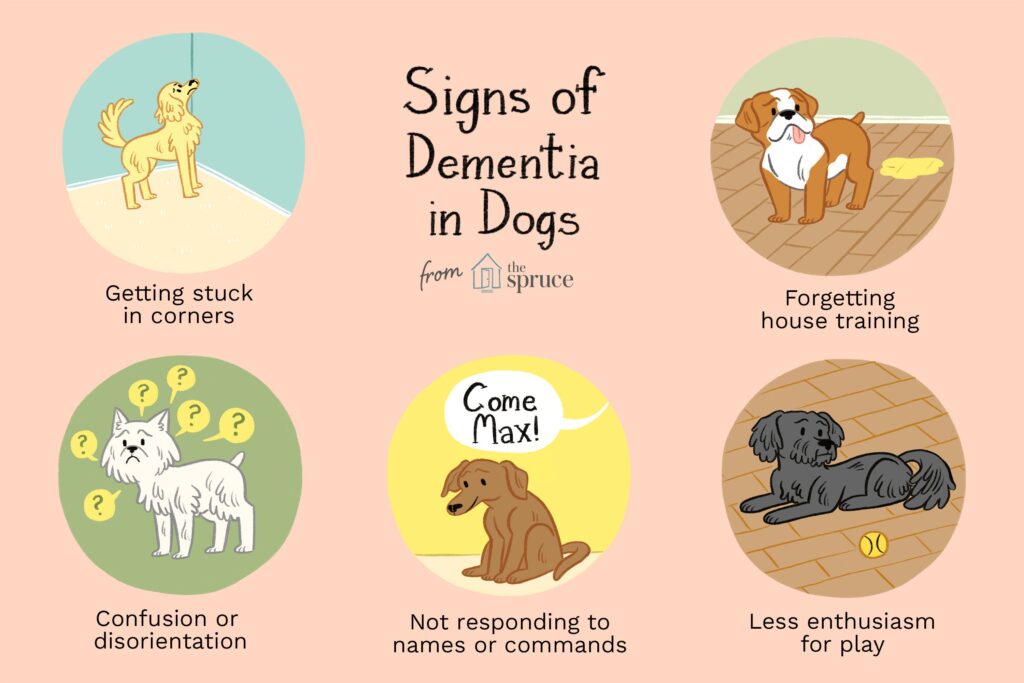
While every pet is different, some common symptoms of age-related cognitive decline include:
- Disorientation
- Difficulty navigating familiar spaces
- Increased confusion or anxiety
- Decreased interest in activities once enjoyed
- Changes in appetite or sleep patterns
What to Do If Your Pet is Showing Symptoms
If you suspect your pet may be experiencing age-related cognitive decline, consult with a veterinarian for a thorough evaluation. They can help determine the best course of action and provide guidance on managing symptoms.
Managing Symptoms: Medications and Alternative Therapies
While there is no cure for age-related cognitive decline, various medications and alternative therapies can help alleviate symptoms:
- Nicergolina (a medication that increases blood flow to the brain)
- Monoamine oxidase inhibitors (MAOIs), which can help reduce oxidative stress
- Ginkgo biloba extract (a natural remedy that improves cognitive function)
Creating a Supportive Environment
To help your pet cope with age-related cognitive decline, consider the following:
- Provide a stimulating environment by removing obstacles and creating a “cat agility course” or “canine obstacle course”
- Engage your pet in sensory activities, such as touch therapy or scent work
- Maintain a consistent daily routine to provide comfort and structure
Frequently Asked Questions
Q: Can age-related cognitive decline be reversed?
A: No, age-related cognitive decline is an irreversible condition.
Q: How can I tell if my pet is experiencing disorientation?
A: Look for changes in their behavior, such as confusion, agitation, or difficulty navigating familiar spaces.
Q: What are some alternative therapies for managing symptoms of age-related cognitive decline?
A: Consider Ginkgo biloba extract, acupuncture, or massage therapy under the guidance of a veterinarian.
Q: Can I help my pet with age-related cognitive decline if they’re not showing any symptoms?
A: Yes, providing a stimulating environment and engaging your pet in activities can help maintain their cognitive function.
Q: How often should I schedule veterinary check-ups for pets experiencing age-related cognitive decline?
A: Regular check-ups are essential to monitor progress and adjust treatment plans as needed.
Q: Are there any specific foods or supplements that can support my pet’s cognitive health?
A: Consult with your veterinarian about incorporating omega-3 fatty acids, antioxidants, or other nutrient-rich foods into their diet.
Nutritional Support
Proper nutrition plays a significant role in maintaining your pet’s overall health, including their cognitive function. Consider the following:
- High-quality protein sources
- Balanced fat content
- Essential vitamins and minerals
Staying Informed
Stay up-to-date with the latest research and developments in age-related cognitive decline by:
- Following reputable veterinary organizations
- Attending pet wellness seminars
- Reading pet-specific publications


