
Introduction
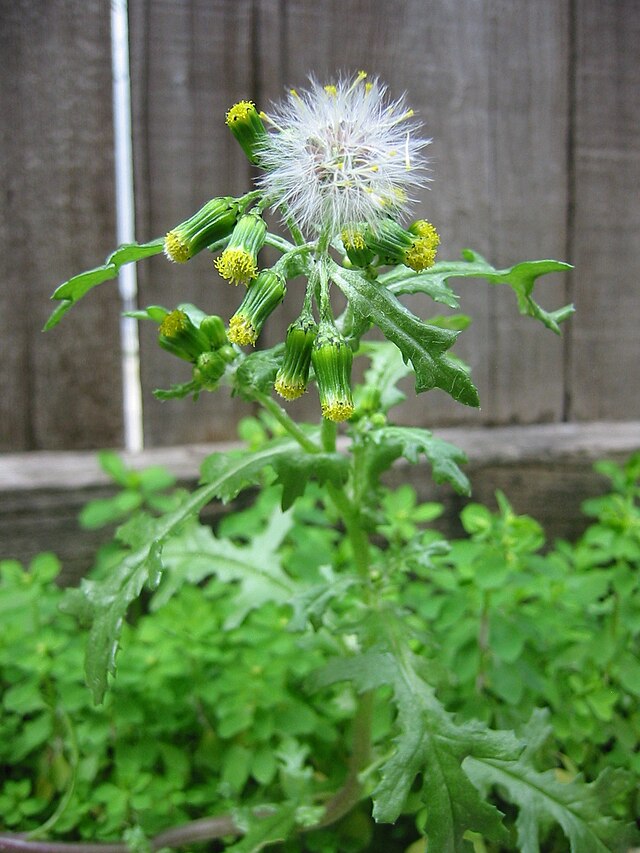
The Senecio genus, also known as Cineraria, is a fascinating collection of plants that have gained popularity due to their ease of cultivation, spectacular flowering, and adaptability in various environments around the world. These versatile plants are not only found in gardens but also in homes, and their unique characteristics make them an excellent choice for gardeners, indoor enthusiasts, and botanists alike. In this comprehensive article, we will delve into the world of Senecio, exploring its cultivation, species, diseases, properties, and care requirements.
Cultivation
Senecio is a genus that consists of annuals, biennials, and perennials, some of which can grow as shrubs or even small trees. The plants are well-suited to bright, indirect light but may require more frequent watering in dry environments. It’s essential to maintain a humid environment around the plant by using a ceramic pot filled with gravel, which helps to prevent water loss and promotes healthy root growth.
The ideal soil for Senecio is fertile and well-draining, with a mix of peat moss and sand. Watering should be done sparingly, as overwatering can lead to root rot and other problems. Unlike some plants, Senecio does not require frequent pruning or fertilization, but removing dead or damaged parts can help prevent the spread of diseases.
Species
With over 1,000 species within the Senecio genus, it’s challenging to list them all. However, we’ll focus on a few notable ones that are popular among gardeners and botanists:
- Senecio Cruentus: This species is commonly known as Cineraria and blooms in early spring between April and May. It originates from the Canary Islands and produces blue or pink flowers that form clusters. Senecio Cruentus is a popular choice for its bright colors, low maintenance requirements, and attractive foliage.
- Cineraria Stellata: A hybrid of Senecio Cruentus, this variety grows up to 50-80 cm tall with star-shaped flower clusters. Cineraria Stellata is a stunning addition to any garden or indoor space, providing a burst of color during the spring and summer months.
- Senecio Rowleyanus: This succulent species has a unique appearance, resembling small beads. It produces white flowers with red tips and can be grown in hanging pots. Senecio Rowleyanus is a popular choice for its striking appearance, low water requirements, and ability to thrive in dry conditions.
- Cineraria Maritima: Another succulent species, it features grayish-green leaves and adapts well to coastal gardens. Cineraria Maritima is an excellent choice for gardeners who want to add a touch of the sea to their outdoor space.
Diseases
As with any plant, Senecio is susceptible to various diseases that can be detrimental to its health and survival. Some common diseases affecting Senecio plants include:
- Aphids: These small white insects feed on the plant’s sap and can be controlled using specific pesticides.
- Fungal infections: Regularly inspect your plants for signs of fungal growth, such as black spots or powdery patches. Fungal infections can be treated with fungicides, but it’s essential to identify the type of fungus before treatment.
Propagation
Senecio propagates through seed only. Sow seeds in October in a mixture of peat moss and sand, ensuring the soil remains consistently moist. Place the seeds on a tray and maintain temperatures between 10°C and 15°C until germination. It’s essential to keep the soil moist during this period, as overwatering can lead to seed rot.
Properties
The Senecio genus contains pyrrolizidine alkaloids, which can be toxic to humans and animals if ingested in large quantities. These compounds are also present in honey and milk, posing a risk to young or lactating animals. It’s essential to handle Senecio plants responsibly, avoiding direct contact with the leaves or flowers.
In traditional medicine, some species of Senecio have been used to treat menstrual disorders and nosebleeds. However, it’s crucial to consult with a medical professional before using any plant-based remedies, as they may interact with medications or exacerbate underlying health conditions.
Conclusion
The Senecio genus is an extraordinary collection of plants that offer a variety of benefits for gardening enthusiasts, indoor gardeners, and botanists alike. With proper care, knowledge, and attention to detail, these plants can thrive in diverse environments and provide a burst of color and beauty to any space. Remember to handle them responsibly, as some species can be toxic if ingested.
FAQs
- What is the ideal climate for growing Senecio?
Senecio thrives in bright, indirect light with moderate temperatures between 15°C and 25°C. - Can I grow Senecio indoors?
Yes, but ensure you provide sufficient light and maintain a consistent temperature between 10°C and 20°C. - How often should I water my Senecio plant?
Watering frequency depends on the environment; check the soil moisture regularly to avoid overwatering. - Can I propagate Senecio through division?
No, Senecio only propagates through seed. - Are Senecio plants toxic to humans and animals?
Some species of Senecio contain pyrrolizidine alkaloids, which can be toxic if ingested in large quantities. - Can I use Senecio as a natural remedy for medical conditions?
Consult with a medical professional before using any plant-based remedies, especially those that may interact with medications. - How do I prevent aphids and fungal infections on my Senecio plants?
Regularly inspect your plants, prune damaged leaves, and apply targeted pesticides to control infestations. - Can I grow Senecio in a potting mix specifically designed for succulents?
Yes, but ensure the mix is well-draining and contains peat moss or sand to maintain moisture levels.
By following these guidelines and understanding the unique characteristics of each species, you can cultivate your own Senecio plants with ease. Whether you’re a seasoned gardener or just starting out, this comprehensive guide will provide you with the knowledge and skills necessary to grow healthy, thriving Senecio plants that bring joy and beauty to your life.
Caring for Your Senecio Plants
To keep your Senecio plants happy and healthy, follow these care tips:
- Water sparingly, allowing the soil to dry slightly between waterings.
- Provide bright, indirect light, avoiding direct sunlight during peak hours.
- Maintain a humid environment by using a ceramic pot filled with gravel or pebbles.
- Fertilize sparingly, as overfertilization can lead to nutrient deficiencies and other problems.
- Prune damaged leaves regularly to prevent the spread of disease and encourage healthy growth.
- Repot your Senecio plants every 2-3 years, using a well-draining potting mix specifically designed for succulents.
By following these care tips and understanding the unique characteristics of each species, you can enjoy the beauty and benefits of Senecio plants in your home or garden.


