
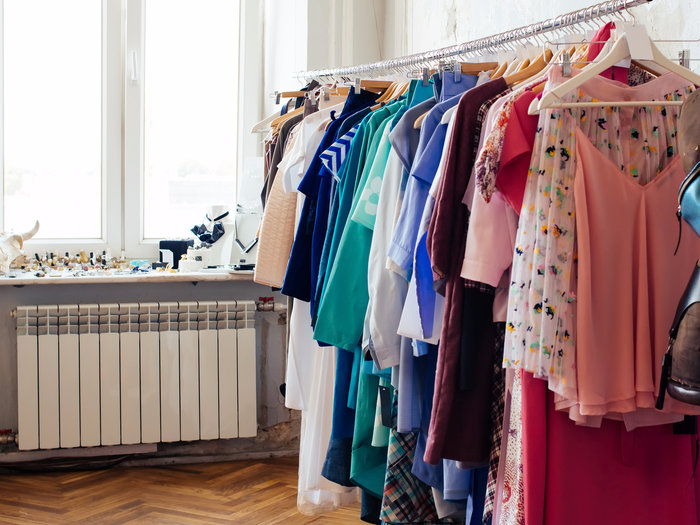
In a world where change is inevitable, and our wardrobes are no exception, selling used clothing can be a game-changer. It’s not just about letting go of items that no longer fit or suit our style; it’s also about giving them a second life. By selling your used clothes, you’re not only decluttering your space but also contributing to a more sustainable fashion industry.
2. The Benefits of Selling Used Clothing
There are numerous benefits to selling your used clothing. For one, it allows you to earn some extra cash, which can be a lifesaver during times of financial uncertainty. Additionally, selling your clothes helps reduce waste and supports the growing demand for second-hand items. With more people embracing sustainable fashion practices, the market for pre-loved clothing is on the rise.
Some other benefits include:
- Reduced environmental impact: Buying and owning new clothes contributes to greenhouse gas emissions, water pollution, and textile waste. By selling your used clothes, you’re reducing the demand for fast fashion and helping to minimize waste.
- Preservation of memories: Clothing can hold sentimental value, and selling your used clothes can be a way to preserve those memories while also decluttering your space.
- Opportunity to find new styles: When buying second-hand clothes, you’re often forced to think outside the box and try new styles that might not have been possible in a regular store.
3. How to Sell Your Used Clothing: A Step-by-Step Guide
Selling your used clothing doesn’t have to be a daunting task. Here’s a step-by-step guide to help you get started:
4. Choosing the Right Items
When deciding what items to sell, consider the following factors:
* Quality: Choose high-quality items that are still in good condition.
* Demand: Consider popular brands and styles that are in demand.
* Price: Set realistic prices based on market values.
5. Preparing Your Items for Sale
Before listing your items, make sure they’re clean, ironed, and in good condition. Take high-quality photos of each item from multiple angles, including details like labels and stitching.
6. Choosing the Right Sales Platform
There are numerous platforms to sell your used clothing online, including:
* eBay: A popular marketplace for buying and selling second-hand items.
* Facebook Marketplace: A convenient platform for selling locally.
* Specialized apps like Depop, Svuotaly, Shpock, and Rebelle.
7. Setting Competitive Prices
When setting prices, research the market to ensure you’re competitive. Use tools like Google Trends or social media to gauge demand.
8. Selling Your Used Clothing Online
Selling your used clothing online can be a great way to reach a wider audience. Here are some tips:
- Use high-quality photos: Showcase each item in the best possible light.
- Write detailed descriptions: Include information about the condition, size, and brand.
- Utilize keywords: Use relevant keywords to increase visibility.
9. Selling Your Used Clothing Offline
Selling your used clothing offline can be just as effective:
- Host a garage sale: Invite friends and family to help spread the word.
- Visit local consignment shops: Partner with established retailers who’ll handle sales for you.
- Join online groups: Post about your sale on social media or community forums.
10. Tips for Selling Your Used Clothing
To increase your chances of success, keep the following tips in mind:
- Be honest and transparent: Disclose any flaws or imperfections.
- Provide excellent customer service: Respond promptly to inquiries and messages.
- Keep records: Organize receipts, sales data, and customer interactions.
11. Common Challenges When Selling Used Clothing
While selling your used clothing can be rewarding, there are some common challenges to be aware of:
- Unfair competition: Be prepared to face low prices or unrealistic expectations from other sellers.
- Quality control: Inspect items carefully before listing them for sale.
- Returns and refunds: Establish clear policies for handling returns and refunds.
12. Best Practices for Selling Used Clothing
To ensure a smooth sales process, follow these best practices:
- Set realistic goals: Be prepared to invest time and effort into selling your used clothing.
- Stay organized: Keep track of inventory, pricing, and customer interactions.
- Be flexible: Be open to negotiations and adjusting prices as needed.
13. How to Price Your Used Clothing
Pricing your used clothing correctly is crucial for attracting buyers:
- Research the market: Use online tools or consult with experts to determine fair prices.
- Consider the condition: Factor in any flaws, damage, or wear and tear.
- Factor in demand: Adjust prices based on popularity and competition.
14. How to Take Good Photos of Your Used Clothing
High-quality photos are essential for showcasing your used clothing:
- Use good lighting: Natural light or a well-lit studio can make all the difference.
- Show details: Capture close-ups of labels, stitching, and other features.
- Style your outfits: Showcase how each item looks when worn.
15. How to Handle Returns and Refunds
Establishing clear policies for returns and refunds is essential:
- Set clear expectations: Communicate return and refund procedures upfront.
- Be flexible: Be willing to accommodate customers’ needs and concerns.
- Process transactions efficiently: Ensure prompt payment and delivery of items.
By following these tips and best practices, you’ll be well on your way to selling your used clothing with success.


