
Are you tired of spending hours cleaning your oven? Do you wish there was a way to make the process easier and more efficient? Look no further than the self-cleaning oven, also known as a pyrolithic oven. In this article, we’ll explore how it works, its benefits, drawbacks, and the best models on the market.
How Does the Self-Cleaning Oven Work?
A self-cleaning oven uses high temperatures to burn off food residue and grime, leaving your oven clean and odor-free. The process is called pyrolysis, which involves heating the oven to extremely high temperatures (around 500°C) to vaporize any organic matter.
Here’s how it works:
- The oven is closed, and the self-cleaning cycle begins.
- The high temperature vaporizes any food residue or grime on the oven walls and floor. This process can take several hours, depending on the model and the level of grime.
- A catalyst filter removes any toxic gases produced during the process. These filters are designed to capture any harmful fumes that may be released during the self-cleaning cycle.
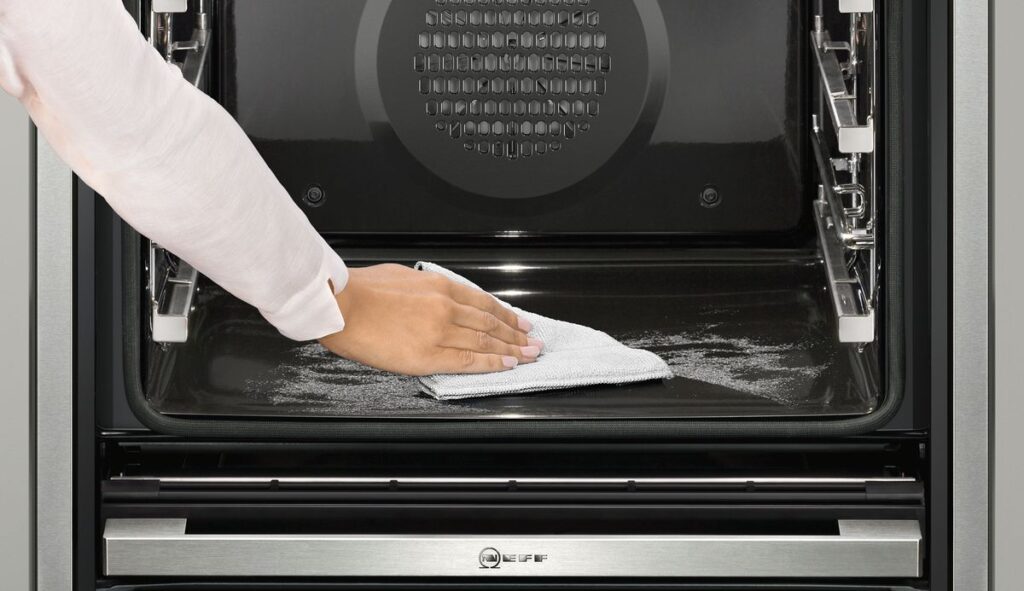
- Once the cycle is complete, a signal sounds, indicating that it’s safe to open the oven door and remove any remaining debris.
Benefits of a Self-Cleaning Oven
There are several benefits to using a self-cleaning oven:
- Easy Cleaning: The most obvious benefit is that the oven does the cleaning for you. No more scrubbing away at tough grime or dealing with harsh chemicals.
- Energy Efficiency: While the initial start-up cost may be higher, self-cleaning ovens use less energy in the long run since they don’t require manual cleaning.
- Less Odors: The high-temperature process eliminates any lingering food odors, leaving your kitchen smelling fresh and clean.
Drawbacks of a Self-Cleaning Oven
While self-cleaning ovens have many benefits, there are some drawbacks to consider:
- Longer Cycle Times: The self-cleaning cycle can take several hours, depending on the model and the level of grime.
- Higher Upfront Cost: Self-cleaning ovens are typically more expensive than traditional models.
Best Models on the Market
There are many great self-cleaning oven models available on the market. Here are a few of our top picks:
- Smeg Pyrolytic Oven: This Italian-made oven is known for its sleek design and high-performance pyrolithic cleaning system.
- Whirlpool Self-Cleaning Oven: Whirlpool offers a range of self-cleaning ovens with advanced features like smart sensors and Wi-Fi connectivity.
- AEG Pyrolytic Oven: AEG’s self-cleaning oven is made in Germany and features a high-quality pyrolithic cleaning system and durable construction.
Frequently Asked Questions
Here are some frequently asked questions about self-cleaning ovens:
- Q: How often do I need to run the self-cleaning cycle?
- A: The frequency of use depends on how often you cook and the level of grime in your oven. As a general rule, it’s recommended to run the self-cleaning cycle every 1-3 months to maintain cleanliness.
- Q: Is it safe to leave the oven door open after the self-cleaning cycle is complete?
- A: No, it’s not recommended. Wait for at least 30 minutes before opening the door to ensure that the oven has cooled down and any toxic gases have been safely released.
- Q: Can I use my self-cleaning oven as a conventional oven?
- A: Yes, most self-cleaning ovens can be used as a conventional oven when not in self-cleaning mode. However, it’s worth noting that the pyrolithic cleaning system may affect the cooking performance of your oven.
Things to Consider Before Buying
Before investing in a self-cleaning oven, there are several things to consider:
- Space: Self-cleaning ovens can be larger and bulkier than traditional models.
- Noise: Some self-cleaning ovens can produce loud noises during the cleaning cycle.
- Maintenance: While the self-cleaning process is easy, regular maintenance is still required to ensure optimal performance.
Conclusion
A self-cleaning oven can make a big difference in your cooking routine. With its high-temperature pyrolithic cleaning system, it’s easier than ever to keep your oven clean and odor-free. However, there are some drawbacks to consider, such as longer cycle times and higher upfront costs. By choosing the right model for your needs, you can enjoy the many benefits of a self-cleaning oven while minimizing its drawbacks.
In this article we have discussed how self-cleaning ovens work and highlighted their benefits and drawbacks.


