
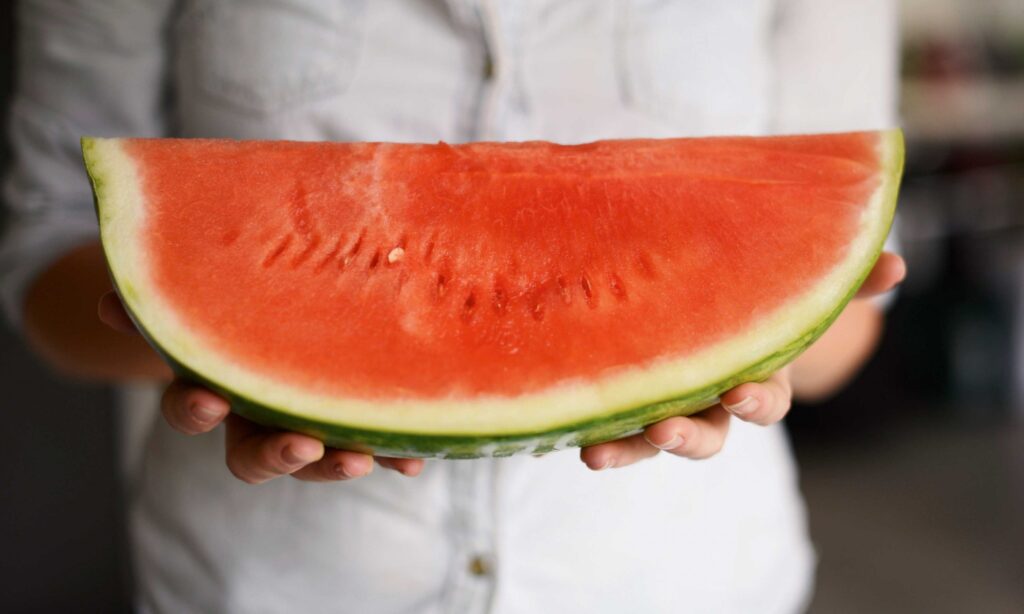
What is Anguria Without Seeds?
Anguria without seeds has become a common sight in modern fruit markets. While the pulp remains sweet and its color remains unchanged, the absence of seeds makes it an attractive option for consumers seeking convenient and hassle-free fruits. The seedless variety of anguria has gained popularity over the years due to its unique characteristics and ease of consumption.
However, many people may not be aware of the origin of this seedless fruit or the scientific processes that made it possible. In this article, we will delve into the world of anguria without seeds and explore its history, production methods, and cultivation requirements.
The Birth of Seedless Fruits
But where did this seedless phenomenon come from? Contrary to popular belief, seedless fruits were not selectively bred by farmers over generations. Instead, they were created in laboratories through a process of genetic manipulation. In the case of anguria without seeds, scientists used various techniques such as colchicine or other mutagenic agents to induce sterility in the fruit.
Colchicine is a chemical compound that can be used to induce polyploidy in plants, which means it can increase the number of chromosomes in a plant’s cells. By applying colchicine to anguria plants, scientists were able to create tetraploid (four sets of chromosomes) plants, making them sterile and unable to produce viable seeds.
The “Mule” of the Vegetable Kingdom
Let’s explore this concept further by comparing it to a well-known term: the “mule.” A mule is a hybrid animal, born from the union of an ass (female) and a horse stallion (male). This creature is sterile due to its unique genetic makeup, which results in an odd number of chromosomes. Similarly, anguria without seeds cannot exist naturally; it is a product of human intervention.
The concept of sterility in plants can be compared to the sterility of mules, as both are results of genetic manipulation and hybridization. However, while mules can still produce viable offspring with other animals, seedless fruits like anguria without seeds cannot reproduce on their own.
The Science Behind Seedless Fruits
When colchicine is applied to anguria plants, the number of chromosomes doubles, resulting in a tetraploid (four sets of chromosomes) plant. By crossing this tetraploid with a diploid anguria, we get a triploid plant that produces fruit without seeds.
This process involves several steps, including:
- Mutagenesis: The application of mutagens such as colchicine or ethyl methanesulfonate to induce genetic mutations in the anguria plants.
- Selection: Scientists select and breed plants with desirable traits such as seedlessness.
- Propagation: Seedless anguria plants are propagated through grafting or tissue culture techniques.
Growing Anguria Without Seeds
For those interested in cultivating seedless anguria at home, acquiring the necessary seeds can be challenging. However, enthusiasts can find these specialized seeds through reputable suppliers or online marketplaces like Amazon.
To grow seedless anguria, you’ll need to provide optimal growing conditions during the summer months when temperatures are relatively low. Here are some tips:
- Climate: Anguria without seeds requires a warm and humid climate with average temperatures between 64°F (18°C) and 85°F (29°C).
- Soil: Well-draining soil with a pH range of 6.0 to 7.0 is ideal for growing anguria.
- Watering: Consistent moisture levels are essential, but avoid overwatering that can lead to root rot.
- Fertilization: Feed your seedless anguria plants with a balanced fertilizer during the growing season.
Ideal Conditions for Growing Seedless Anguria
To successfully grow seedless anguria, it is essential to provide optimal growing conditions during the summer months when temperatures are relatively low. With favorable climate and proper care, anguria without seeds can mature in just 85 days.
Here’s a breakdown of the ideal conditions for growing seedless anguria:
- Temperature: Average temperature between 64°F (18°C) and 85°F (29°C).
- Lighting: Partial shade to full sun.
- Humidity: High humidity, above 60%.
- Watering: Consistent moisture levels.
Conclusion: The Fruit of Human Innovation
As we conclude our exploration of seedless fruits, it becomes clear that their creation is a testament to human ingenuity. From genetic manipulation to selective breeding, the development of these fruits has transformed the way we consume and enjoy fruit.
While some may view seedless fruits as unnatural or artificial, they are simply the result of scientific innovation and technological advancements. As consumers become more aware of the science behind seedless fruits, they can appreciate the complexity and beauty of genetic engineering in action.
FAQs
- What is the difference between regular anguria and seedless anguria?
Seedless anguria lacks viable seeds, making it easier to eat without having to separate the pulp from the seeds. - How do scientists create seedless fruits?
Scientists use genetic manipulation techniques like colchicine or mutagenic agents to induce sterility in plants, resulting in seedless fruits. - Can you grow anguria without seeds naturally?
No, seedless anguria cannot be grown naturally due to its sterile nature and altered chromosome count. - What are the benefits of growing seedless anguria?
Growing seedless anguria can provide a convenient and hassle-free option for fruit consumption, as well as a unique opportunity to experiment with genetic engineering techniques. - Can I find seeds for seedless anguria online?
Yes, you can find specialized seeds for seedless anguria through reputable suppliers or online marketplaces like Amazon. - What are the ideal conditions for growing seedless anguria?
Seedless anguria requires optimal growing conditions during the summer months when temperatures are relatively low. - How long does it take to grow seedless anguria?
It takes approximately 85 days to grow seedless anguria from seed. - Can I eat seedless anguria raw or cooked?
Both raw and cooked, seedless anguria is a versatile fruit that can be enjoyed in various forms.


