
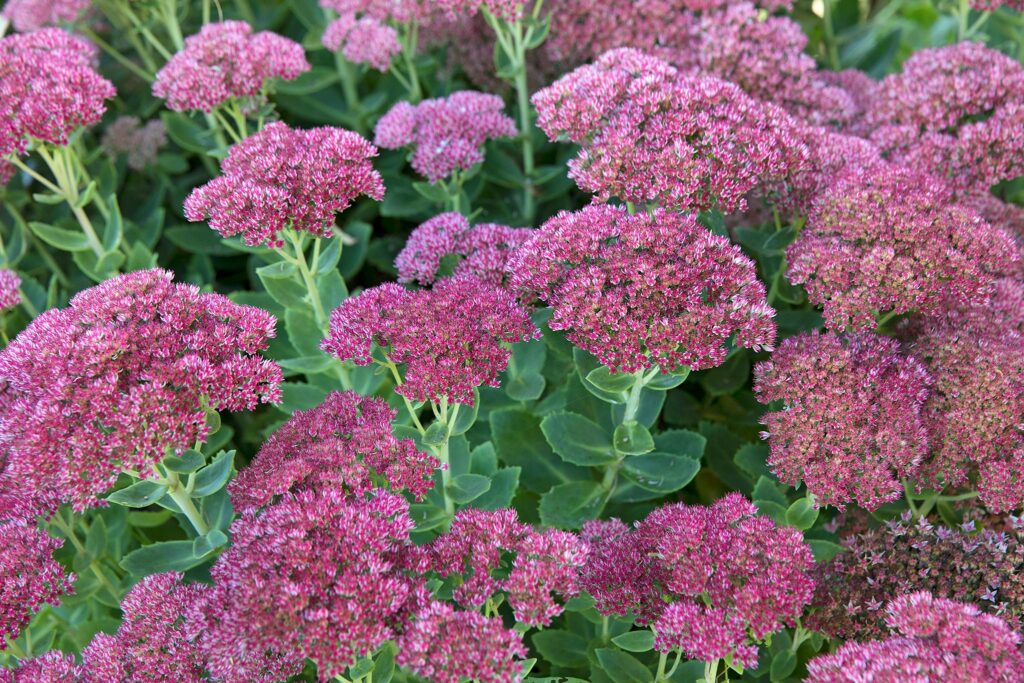
As one of the most diverse and widespread succulent genera, Sedum boasts over 600 species that are surprisingly easy to care for. Originating in Africa, South America, and Europe, these plants have adapted to thrive in arid environments, making them perfect for indoor and outdoor spaces alike.
What is Sedum?
Sedum is a type of succulent plant that stores water in its leaves, stems, or roots, allowing it to survive in dry conditions. With over 600 species, each with unique characteristics, Sedum is a popular choice among succulent enthusiasts. From compact rosettes to tall, slender stems, these plants come in a variety of shapes and sizes.
Choosing the Right Sedum Species
While many Sedum species are identical in terms of care requirements, some are better suited to specific environments than others. If you live in a region with cold winters, choose varieties like Hylotelephium erythrostictum or Sedum caeruleum, which are more resistant to frost.
How to Care for Sedum
Caring for Sedum is relatively easy, making it an ideal choice for beginners and seasoned gardeners alike. Here are some key tips:
Choosing the Right Location
Sedum plants prefer well-draining soil and full sun to partial shade. If you’re planting in a pot, ensure good air circulation to prevent root rot.
- Well-draining pots: Use a pot with drainage holes to prevent water from accumulating in the soil.
- Good air circulation: Keep your Sedum plant at least 6 inches away from any walls or surfaces to allow for adequate air circulation.
- Avoid planting in low-lying areas: Sedum plants can be sensitive to standing water, so avoid planting them in low-lying areas where water may collect.
Watering Sedum
Unlike cacti, Sedum plants don’t require infrequent watering. Instead, water sparingly until the soil is dry to the touch. Overwatering can lead to root rot, so be cautious not to overdo it.
- Watering schedule: Water your Sedum plant once a week during the spring and summer months when it’s actively growing.
- Check the soil moisture: Before watering, check the soil moisture by sticking your finger into the soil up to the first knuckle. If the soil feels dry, it’s time to water.
Fertilizing Sedum
Feed your Sedum plant with a balanced fertilizer during the growing season (spring-fall) to promote healthy growth and blooming.
- Balanced fertilizers: Use a balanced fertilizer that contains equal amounts of nitrogen, phosphorus, and potassium.
- Fertilization schedule: Fertilize your Sedum plant once a month during the growing season, but skip fertilizing during the winter months when it’s dormant.
Pruning and Potting
Sedum plants can become leggy if not pruned regularly. Prune your plant in the spring to encourage new growth, and repot every 2-3 years to refresh the soil.
- Pruning schedule: Prune your Sedum plant in the spring when it’s actively growing.
- Pruning tools: Use clean and sharp pruning tools to prevent spreading diseases.
- Repotting schedule: Repot your Sedum plant every 2-3 years to refresh the soil and provide a larger pot if necessary.
Common Sedum Species for Beginners
- Sedum album: A low-maintenance variety with white flowers and striking foliage.
- Hylotelephium erythrostictum: A popular choice for cold climates due to its red-striped leaves and robust growth habit.
- Sedum caeruleum: A blue-leaved Sedum that thrives in well-draining soil.
Tips for Indoor Succulent Care
If you’re growing Sedum indoors, ensure it receives bright, indirect light. Most Sedum species can tolerate some direct sunlight, but overexposure can lead to scorched leaves.
- Bright, indirect light: Place your Sedum plant near a window that receives bright, indirect light.
- Avoid direct sunlight: Direct sunlight can cause scorching, so avoid placing your Sedum plant in direct sunlight.
- Monitor the temperature: Most Sedum species prefer daytime temperatures between 65-75°F (18-24°C) and nighttime temperatures around 55-65°F (13-18°C).
Common Problems and Solutions
- Yellowing or browning leaves: Overwatering or root rot. Check for pests, adjust watering schedule, and repot the plant if necessary.
- Slow growth: Insufficient light or inadequate fertilization. Provide more light and fertilizer during the growing season to promote healthy growth.
- Pests: Check for pests like mealybugs, spider mites, or scale insects. Use insecticidal soap or neem oil to treat infestations.
Tips for Outdoor Succulent Care
If you’re growing Sedum outdoors, ensure it receives full sun and well-draining soil. Most Sedum species can tolerate some shade, but overexposure can lead to scorching.
- Full sun: Place your Sedum plant in a location that receives full sun.
- Well-draining soil: Use a potting mix with good drainage holes to prevent water from accumulating in the soil.
- Avoid planting in low-lying areas: Sedum plants can be sensitive to standing water, so avoid planting them in low-lying areas where water may collect.
Tips for Propagation
Propagating Sedum is relatively easy. Here are some tips:
- Leaf propagation: Cut off a leaf from the mother plant and let it dry for 1-2 weeks before planting.
- Stem cuttings: Cut off a stem section from the mother plant, remove lower leaves, and plant in well-draining soil.
- Division: Divide the roots of a mature Sedum plant to create new plants.
Tips for Pest Control
Pests can be a problem for Succulents. Here are some tips:
- Check regularly: Regularly inspect your Sedum plants for signs of pests like mealybugs, spider mites, or scale insects.
- Use insecticidal soap or neem oil: Use insecticidal soap or neem oil to treat infestations.
- Prune infected areas: Prune any affected areas to prevent the pest from spreading.
Tips for Repotting
Repotting Sedum is relatively easy. Here are some tips:
- Choose a larger pot: If your Sedum plant has outgrown its current pot, choose a larger one with good drainage holes.
- Use fresh potting mix: Use fresh potting mix to provide the best growing conditions for your Sedum plant.
- Prune roots: Prune any long or circling roots to promote healthy growth.
Tips for Winter Care
Winter care is crucial for Succulents. Here are some tips:
- Reduce watering: Water your Sedum plants less frequently during the winter months when they’re dormant.
- Provide protection: Protect your Sedum plants from extreme temperatures, wind, and frost using covers or burlap.
- Repot in spring: Repot your Sedum plant every 2-3 years to refresh the soil and provide a larger pot if necessary.
By following these tips, you can enjoy healthy, thriving Sedum plants that will bring beauty and low-maintenance care to your home.


