
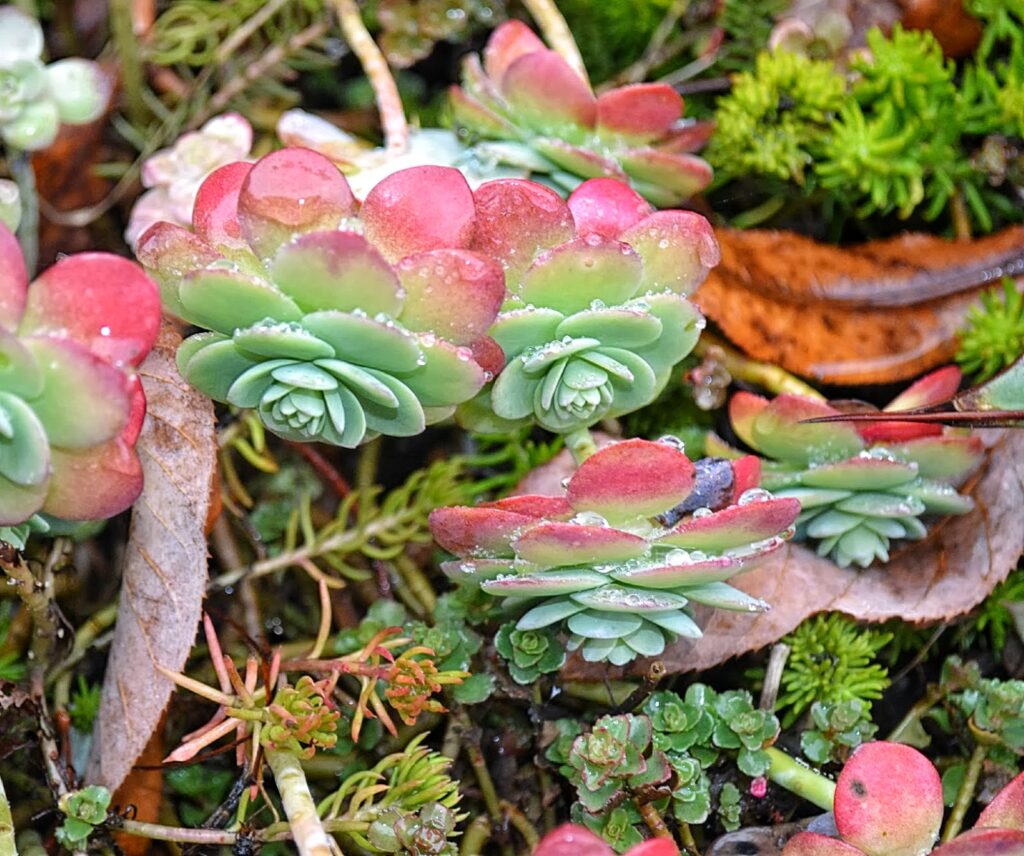
As one of the most straightforward houseplants to care for, Sedum Palmeri (also known as Sempervivum de Palmer or Pincushion) is a succulent that brings joy with its beautiful flowers, lush foliage, and minimal maintenance requirements. Native to Mexico’s mountainous regions, this plant has adapted to thrive in diverse environments, making it an excellent choice for indoor spaces.
Characteristics of the Sedum Palmeri
As a succulent, Sedum Palmeri is known for its thick, fleshy leaves that can store water, allowing it to survive long periods without water. The plant’s natural habitat is characterized by rocky outcrops and dry soil, which has led to its unique adaptations. With a height of up to 12 inches (30 cm) and a spread of around 8-10 inches (20-25 cm), this succulent makes an attractive addition to any room.
Properties of Sedum Palmeri
The Sedum Palmeri boasts two notable properties related to its flowers: their vibrant color and ability to produce a sweet honey-like substance that attracts bees. The flower petals are star-shaped and yellow with a diameter of up to 8 millimeters, adding an unforgettable touch to the plant’s appearance. When in bloom, the sedum’s flowering period can last several months, providing a burst of colorful vibrancy to any room.
Caring for Your Sedum Palmeri
When cultivating this succulent, it is essential to consider its native environment and adapt to its needs. As a rock-dwelling plant, Sedum Palmeri prefers well-draining soil with a sandy or rocky composition in bright sunlight, ideally in areas that receive direct sunlight or partial shade. Avoid overwatering, as this can lead to root rot and other problems.
Propagation of Sedum Palmeri
Both stem cutting and seed propagation are viable methods for multiplying this succulent. Stem cuttings are preferred as they yield results more quickly. Choose a healthy stem section, let it dry out for a few days to form callus, and then plant it in well-draining soil with minimal watering until roots develop.
Choosing the Right Potting Mix
When selecting a potting mix for your Sedum Palmeri, look for one that is specifically designed for cacti and succulents. These mixes typically contain perlite or sand to improve drainage and prevent waterlogging. Avoid using regular potting soil, as it can retain too much moisture and cause root rot.
Repotting Your Sedum Palmeri
Sedum Palmeri typically needs to be repotted every 3-4 years, as its roots grow deeper over time. Use a slightly larger pot than the original one, and fill it with fresh potting mix. Water sparingly during the repotting process, and avoid disturbing the plant’s roots.
Fertilizing Your Sedum Palmeri
Feed your Sedum Palmeri with a balanced, water-soluble fertilizer during the growing season (spring and summer). Dilute the fertilizer to half the recommended strength to prevent burning the roots. Fertilize sparingly, as overfertilization can cause more harm than good.
Pruning Your Sedum Palmeri
Pruning your Sedum Palmeri can help maintain its shape and encourage new growth. Remove any dead or damaged leaves, and cut back overgrown stems to encourage branching. Use sharp, clean pruning tools to prevent spreading diseases.
Pest Control: Preventing Aphid Infestations
Aphids can be a significant threat to Sedum Palmeri plants. Regularly inspect your plant during the spring season and treat any infestation promptly using broad-spectrum insecticides or integrated pest management techniques, such as neem oil sprays. Use insecticidal soap or horticultural oil to kill aphid eggs and prevent re-infestation.
Frequently Asked Questions
Q: Can I grow Sedum Palmeri indoors?
A: Yes, it can thrive in indoor conditions with proper care, but it may not produce flowers as frequently as when grown outdoors.
Q: How often should I water my Sedum Palmeri?
A: Water sparingly during the winter months and only when the soil feels dry to the touch. In warmer climates, you may need to water more frequently.
Q: Can Sedum Palmeri be propagated through seeds?
A: Yes, but this method is less reliable than stem cutting propagation and requires precise timing during the spring season.
Q: How long does it take for Sedum Palmeri to produce flowers?
A: The flowering period typically lasts several months in warmer climates and can last up to 8 weeks with proper care.
Q: Are Sedum Palmeri plants toxic to pets?
A: No, they are generally non-toxic but may cause gastrointestinal upset if ingested in large quantities.
Q: Can I grow multiple Sedum Palmeri plants together?
A: Yes, it is recommended to group them together as they share similar growing conditions and can help improve air circulation around each plant.
Q: What are some common pests affecting Sedum Palmeri?
A: Aphids, spider mites, and mealybugs are the most common pests that target this succulent. Regular monitoring and prompt treatment can prevent infestations.
Q: Can I propagate Sedum Palmeri by leaf cutting?
A: No, it is not recommended as leaves do not root well in water or soil.
Q: What is the ideal temperature range for Sedum Palmeri growth?
A: This succulent thrives in temperatures between 65°F and 75°F (18°C and 24°C), but can tolerate slightly higher temperatures with proper care.
Common Problems with Sedum Palmeri
While relatively low-maintenance, Sedum Palmeri can be prone to certain problems. Common issues include:
- Overwatering: This can lead to root rot and other problems.
- Underwatering: This can cause the plant to become stressed and vulnerable to pests.
- Pests: Aphids, spider mites, and mealybugs are common pests that target this succulent.
- Diseases: Fungal diseases such as leaf spot and powdery mildew can affect Sedum Palmeri plants.
Tips for Healthy Growth
To ensure your Sedum Palmeri grows healthily, follow these tips:
- Provide bright, indirect sunlight or partial shade to prevent scorching the leaves.
- Use a well-draining potting mix to prevent waterlogging and root rot.
- Water sparingly during the winter months and only when the soil feels dry to the touch.
- Fertilize sparingly during the growing season to promote healthy growth.
- Prune your Sedum Palmeri regularly to maintain its shape and encourage new growth.
Conclusion
Sedum Palmeri is a rewarding houseplant that offers low-maintenance care and beautiful flowers. By understanding its unique properties, adapting to its needs, and following proper care techniques, you can enjoy this succulent’s many benefits for years to come.


