
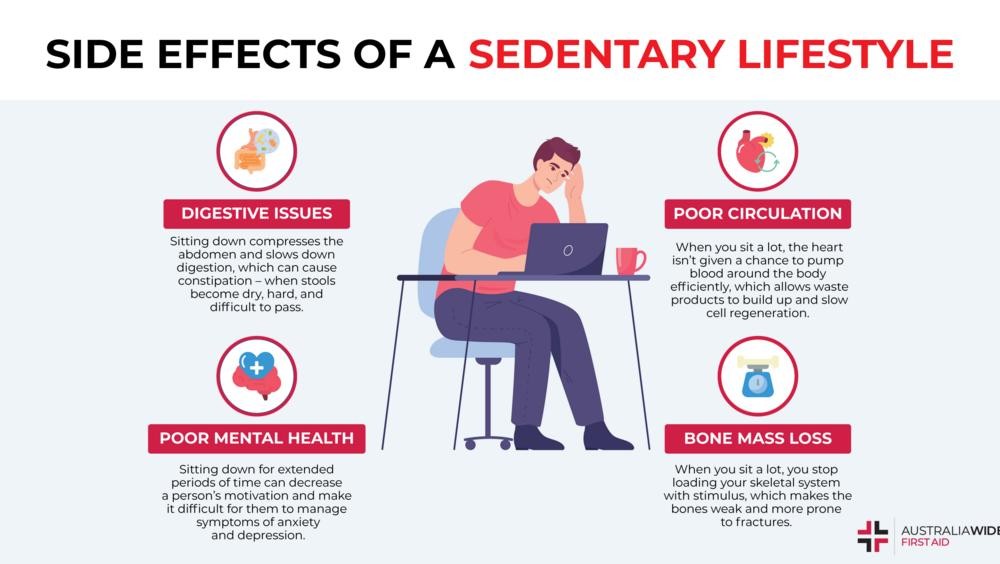
As we go about our daily lives, it’s easy to get caught up in a sedentary lifestyle. We spend most of our time sitting, whether it’s at work, watching TV, or scrolling through our phones. But is this really healthy? The answer is no. Sedentary behavior has become an epidemic, with millions of people worldwide struggling with the associated health risks.
The Alarming Statistics
Sedentary lifestyle is considered a disease in itself, and it’s crucial to take action before it’s too late. According to recent studies, approximately 10% of deaths in Europe can be attributed to sedentary behavior each year. This number is staggering, and it highlights the need for us to make changes to our daily habits.
The Consequences of Sedentary Lifestyle
But what exactly happens when we’re not moving enough? The consequences are numerous and far-reaching. Not only does sedentary lifestyle lead to weight gain and obesity, but it also increases the risk of heart disease, type 2 diabetes, and certain types of cancer. In fact, studies have shown that every hour spent sitting can increase our risk of mortality by 12%.
Breaking the Sedentary Cycle
So, how do we break this cycle? The good news is that it’s easier than you think. All it takes is a bit of willpower and a commitment to making small changes to your daily routine. Here are some tips to get you started:
- Aim for at least 3 hours of moderate-intensity exercise per week, or 30 minutes of high-intensity exercise per day.
- Incorporate activities that you enjoy, such as walking, cycling, or swimming.
- Take the stairs instead of the elevator, and walk to work or school if possible.
The Importance of Early Intervention
But why is it so crucial to address sedentary lifestyle in children? Research has shown that kids who are inactive are more likely to become obese adults. In fact, a study published in the Journal of Pediatrics found that nearly one-third of adolescents in Europe and Italy were not meeting physical activity guidelines.
The Sedentary Lifestyle Epidemic
In Europe, it’s estimated that only 42% of teenagers engage in regular physical activity, while in Italy, that number drops to just 60%. This is a concerning trend, and it highlights the need for us to rethink our approach to exercise and physical activity.
Sedentary Lifestyle: The Hidden Signs
But how do you know if you’re leading a sedentary lifestyle? Look out for these hidden signs:
- Fatigue or lethargy
- Difficulty concentrating or paying attention
- Mood swings or depression
- Weight gain or difficulty losing weight
The Risks of Sedentary Lifestyle: A Growing Concern
Particularly, the risk of death is on the rise due to sedentary behavior. According to recent studies, 10% of deaths in Europe can be attributed to sedentary lifestyle each year. This number is alarming, and it highlights the need for us to take action.
The Link Between Sedentary Lifestyle and Obesity
But what’s the link between sedentary lifestyle and obesity? The answer is simple: they’re closely tied. Research has shown that every hour spent sitting increases our risk of mortality by 12%. This means that if we spend too much time sitting, we’re also increasing our risk of weight gain and obesity.
Sedentary Lifestyle: A Growing Health Concern
In conclusion, sedentary lifestyle is a growing health concern that requires attention from policymakers, healthcare professionals, and individuals alike. It’s not just about getting off the couch or taking a few more steps; it’s about making significant changes to our daily habits.
Frequently Asked Questions (FAQs)
- What are the main risks associated with sedentary lifestyle?
- Increased risk of heart disease
- Type 2 diabetes
- Certain types of cancer
-
Mortality
-
How can I overcome a sedentary lifestyle?
- Aim for at least 3 hours of moderate-intensity exercise per week, or 30 minutes of high-intensity exercise per day.
- Incorporate activities that you enjoy.
-
Take the stairs instead of the elevator, and walk to work or school if possible.
-
What are some hidden signs of sedentary lifestyle?
- Fatigue or lethargy
- Difficulty concentrating or paying attention
-
Mood swings or depression
-
How can I prevent obesity through exercise?
- Aim for at least 30 minutes of moderate-intensity exercise per day.
- Incorporate strength training exercises to build muscle mass.
-
Eat a balanced diet with plenty of fruits, vegetables, and whole grains.
-
What is the link between sedentary lifestyle and mortality?
-
Every hour spent sitting increases our risk of mortality by 12%.
-
Can children be protected from the risks of sedentary lifestyle?
- Yes, through early intervention and education.
- Encourage physical activity in schools and communities.
-
Model healthy behaviors for children.
-
What is the global response to the sedentary lifestyle epidemic?
- Governments and healthcare organizations are working together to promote physical activity and reduce sedentary behavior.
-
Public awareness campaigns are also underway to educate people about the risks of sedentary lifestyle.
-
Can I still maintain a healthy weight while following a sedentary lifestyle?
- No, it’s unlikely that you’ll be able to achieve or maintain a healthy weight without regular physical activity.
The Benefits of Incorporating Physical Activity into Daily Life
Incorporating physical activity into our daily lives can have numerous benefits. These include:
- Improved cardiovascular health
- Increased strength and flexibility
- Better mental health and mood
- Enhanced cognitive function
- Reduced risk of chronic diseases
Tips for Busy Professionals
If you’re a busy professional, it can be challenging to fit in exercise and physical activity. Here are some tips to help you get started:
- Start small: Begin with short bursts of exercise, such as 10-15 minutes per day.
- Incorporate activity into your daily routine: Take the stairs instead of the elevator, walk to work or school if possible, and take a lunch break to stretch and move around.
- Find an exercise buddy: Having someone to hold you accountable can make it easier to stick to your fitness goals.
The Role of Technology in Reducing Sedentary Behavior
Technology can play a significant role in reducing sedentary behavior. Here are some ways that technology can help:
- Wearable devices: Wearable devices such as pedometers and fitness trackers can track our physical activity levels and provide motivation to move more.
- Mobile apps: Mobile apps such as step-tracking apps and exercise apps can provide guidance and support for incorporating physical activity into daily life.
- Video games: Video games that encourage physical activity, such as dance-based games, can be a fun way to stay active.
Conclusion
In conclusion, sedentary lifestyle is a growing health concern that requires attention from policymakers, healthcare professionals, and individuals alike. By understanding the risks associated with sedentary behavior and making small changes to our daily habits, we can reduce our risk of chronic diseases and improve our overall health and well-being. It’s not just about getting off the couch or taking a few more steps; it’s about making significant changes to our daily habits.
Recommendations for Policy Makers
Policy makers have a critical role to play in promoting physical activity and reducing sedentary behavior. Here are some recommendations:
- Encourage public transportation: By encouraging people to use public transportation, policy makers can reduce the need for personal vehicles and promote walking and cycling.
- Create safe and accessible spaces: Creating safe and accessible spaces for physical activity, such as parks and bike lanes, can encourage people to engage in physical activity.
- Provide resources and support: Providing resources and support for individuals who want to incorporate physical activity into their daily lives, such as fitness classes or personal training sessions, can help them achieve their goals.
Recommendations for Healthcare Professionals
Healthcare professionals have a critical role to play in promoting physical activity and reducing sedentary behavior. Here are some recommendations:
- Provide education: Providing education on the risks associated with sedentary behavior and the benefits of regular physical activity can empower patients to make healthy choices.
- Encourage referrals: Encouraging referrals to fitness classes or personal training sessions can help patients achieve their health goals.
- Model healthy behaviors: Modeling healthy behaviors as a healthcare professional can inspire patients to adopt healthy habits.
Recommendations for Individuals
Individuals have a critical role to play in promoting physical activity and reducing sedentary behavior. Here are some recommendations:
- Set realistic goals: Setting realistic goals, such as increasing daily step count or incorporating strength training exercises, can help individuals achieve their health goals.
- Find an exercise buddy: Having someone to hold you accountable can make it easier to stick to your fitness goals.
- Track progress: Tracking progress through wearable devices or mobile apps can provide motivation and guidance.
By working together, we can reduce the risk of chronic diseases and improve our overall health and well-being.


