
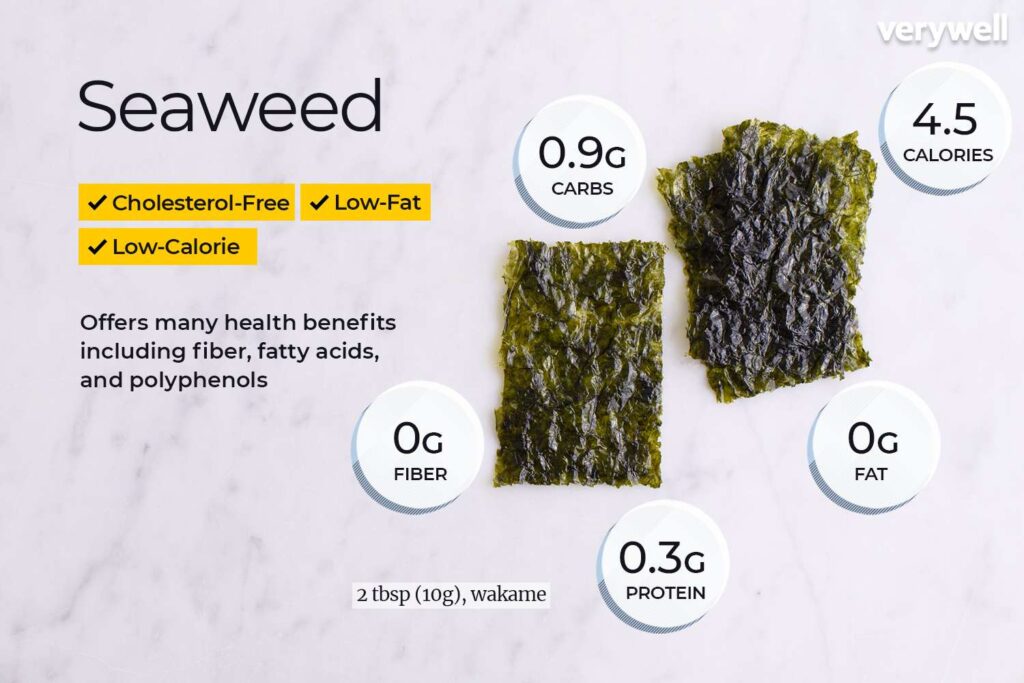
As we continue to explore the world of sustainable and healthy eating, one often-overlooked ingredient has gained popularity in recent years: marine algae. From adding flavor and nutrition to our meals to providing potential health benefits, these incredible organisms are worth learning more about.
What are Marine Algae?
Marine algae, also known as seaweed or sea vegetables, are a type of plant that grows in the ocean. They come in a variety of colors, shapes, and sizes, and can be found in both shallow and deep waters around the world. While some people may think of seaweed as being only used for sushi rolls and salads, it’s so much more than that.
Types of Marine Algae
There are many different types of marine algae, each with its own unique characteristics and benefits. Some of the most commonly consumed types include:
- Kombu: a brown algae native to Japan, known for its high iodine content and ability to reduce inflammation.
- Nori: a red algae used in sushi rolls and other Japanese dishes, rich in vitamins A and E and helping with digestion.
- Dulse: a reddish-brown algae found in the Atlantic Ocean, high in iron and magnesium, and often used as a vegetarian substitute for meat.
- Wakame: a brown algae similar to kombu, commonly used in Asian cuisine.
Edibility of Marine Algae
While some people may be hesitant to try seaweed due to concerns about taste or texture, many types are safe to eat and can even be quite delicious. In fact, marine algae have been a staple food source for many coastal communities around the world for centuries. They’re often rich in nutrients like vitamins A and E, iron, and magnesium, making them an excellent addition to a healthy diet.
Properties of Marine Algae
Marine algae are not only edible but also packed with incredible properties that can benefit our health and the environment. Some of their key characteristics include:
- High iodine content: essential for thyroid function and overall health.
- Rich in antioxidants: protecting us from oxidative stress and inflammation.
- Neutralization of heavy metals: removing pollutants from the ocean and helping to create a healthier marine ecosystem.
- Prebiotic properties: supporting gut health and immune function.
Benefits of Marine Algae
So, what can we expect when it comes to incorporating marine algae into our diet? Some potential benefits include:
- Improved thyroid function: thanks to their high iodine content.
- Enhanced immune system: due to the presence of antioxidants and prebiotics.
- Reduced inflammation: as a result of their anti-inflammatory properties.
- Support for heart health: through their ability to lower cholesterol levels.
Marine Algae for Weight Loss
While marine algae may not be a magic bullet for weight loss, they can certainly play a supporting role in our overall diet and lifestyle. By incorporating these incredible organisms into your meals and snacks, you can expect:
- Increased satiety: thanks to their high fiber content.
- Improved nutrient balance: providing essential vitamins, minerals, and antioxidants.
Ricette con Alghe Marine
There are countless ways to enjoy marine algae in your cooking. Here’s a simple recipe for an amazing salad featuring alga Dulse and germogli di soia:
Ingredients:
- 30g alga Dulse
- 120g germogli di soia
- 100g carote
- 50g noci sgusciate
- 1 mazzetto di crescione
- 250ml succo di mandarini o arancia
- 3 cucchiai salsa di soia (shoyu)
Instructions:
- Rinse the alga Dulse and soak it in water for 30 minutes.
- Chop the germogli di soia, carote, and almonds into bite-sized pieces.
- Combine all ingredients in a bowl and mix well.
- Drizzle with the citrus and soy sauce dressing.
Conclusion
Marine algae are an incredible source of nutrition and potential health benefits, making them a great addition to any diet or lifestyle. From adding flavor and nutrition to our meals to providing support for weight loss, these amazing organisms are worth exploring further. Whether you’re looking to improve your overall health or simply want to try something new, marine algae are definitely worth considering.
Frequently Asked Questions
Q: What is the best way to store and consume marine algae?
A: Store in a cool, dry place, away from direct sunlight. Rinse with water before consumption and follow package instructions for preparation.
Q: Are all types of marine algae safe to eat?
A: While many are edible, some may cause allergic reactions or interact with medications. Consult with a healthcare professional before consuming new foods.
Q: Can I grow my own marine algae at home?
A: Yes! With the right equipment and environment, you can cultivate your own seaweed in the comfort of your own home.
Q: What is the difference between marine algae and kelp?
A: Marine algae refer to any type of seaweed or sea vegetable, while kelp specifically refers to a type of brown algae.
Q: Can I use marine algae as a substitute for meat or fish?
A: While some types may have a similar texture, others can be quite bland. Experiment with different recipes and marinades to find the best fit for your taste preferences.
Q: Are there any potential side effects or interactions with medications?
A: Some individuals may experience digestive issues or interact with certain medications when consuming marine algae. Consult with a healthcare professional before using seaweed as part of your diet.
Q: Can I use marine algae as a natural remedy for specific health conditions?
A: While some studies suggest potential benefits, more research is needed to fully understand the effects of marine algae on human health. Consult with a healthcare professional before using seaweed as a treatment for any condition.
Marine Algae and Environmental Benefits
In addition to their nutritional benefits, marine algae also play an important role in maintaining the health of our oceans. Some ways they contribute to environmental sustainability include:
- Carbon sequestration: absorbing carbon dioxide from the atmosphere.
- Nutrient cycling: helping to regulate nutrient levels in the ocean.
- Habitat creation: providing a home for marine life.
Marine Algae and Food Security
As the global population continues to grow, finding sustainable solutions to food security is becoming increasingly important. Marine algae offer a potential solution by:
- Increasing crop yields: reducing the pressure on land-based crops.
- Improving nutritional content: providing essential vitamins, minerals, and antioxidants.
Marine Algae and Economic Benefits
In addition to their environmental and nutritional benefits, marine algae also have significant economic potential. Some ways they can benefit local economies include:
- Creating jobs: in aquaculture, harvesting, and processing.
- Boosting tourism: through eco-tourism initiatives that promote responsible seaweed harvesting.
Conclusion
Marine algae are an incredible source of nutrition, environmental sustainability, and economic benefits, making them a great addition to any diet or lifestyle. From adding flavor and nutrition to our meals to providing support for weight loss, these amazing organisms are worth exploring further. Whether you’re looking to improve your overall health or simply want to try something new, marine algae are definitely worth considering.
References
- “Marine Algae: A Review of Their Nutritional and Medicinal Properties” (Journal of Food Science)
- “The Environmental Impact of Marine Algae” (Marine Ecology Progress Series)
- “Marine Algae as a Source of Iodine” (Journal of Nutrition and Metabolism)
By incorporating marine algae into your diet, you can expect to experience the many benefits they have to offer. Whether you’re looking for improved thyroid function, enhanced immune system support, or simply want to try something new, these incredible organisms are definitely worth considering.


