
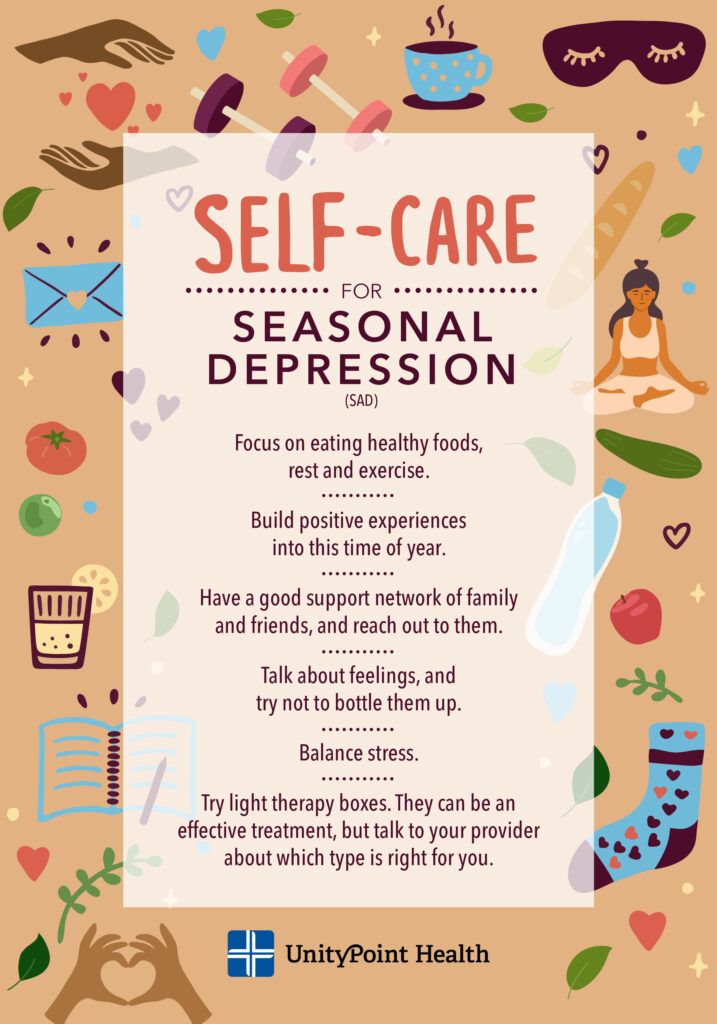
Seasonal depression, often referred to as seasonal affective disorder (SAD), is a type of depression that occurs at specific times of the year. As the seasons change, people may experience a range of emotions, from mild irritability to deep sadness. In this article, we’ll explore what causes seasonal depression, its symptoms, and most importantly, natural remedies to help you cope.
What is Seasonal Depression?
Seasonal depression is a type of depression that is linked to the changing seasons. While it can occur at any time of the year, it’s more common during the autumn and winter months. The exact cause of seasonal depression is still not fully understood, but several factors are thought to contribute to its development.
Autumn Seasonal Depression
As the days get shorter and the weather gets cooler, people may start to feel a sense of sadness or lethargy. This is often referred to as autumn seasonal depression. The decrease in sunlight can affect our mood, energy levels, and overall well-being.
Summer Seasonal Depression
While summer might seem like the perfect time to relax and enjoy the sunshine, some people experience a type of seasonal depression known as summer seasonal depression. This can be caused by a range of factors, including changes in routine, increased pressure at work, or simply a desire for a break from the sun.
Spring Seasonal Depression
In rare cases, people may experience a type of seasonal depression called spring seasonal depression. As the weather gets warmer and flowers start to bloom, some individuals might feel a sense of anxiety or unease.
Natural Remedies for Seasonal Depression
While there’s no magic bullet to cure seasonal depression, there are several natural remedies that can help alleviate symptoms:
- Light therapy: Exposure to bright light can help regulate your mood and energy levels.
- Exercise: Regular physical activity can boost serotonin levels and improve overall mental health.
- Meditation: Mindfulness practices like meditation and deep breathing can help reduce stress and anxiety.
- Social support: Connecting with friends, family, or a therapist can provide emotional support and help you feel less isolated.
Lifestyle Changes for Seasonal Depression
In addition to natural remedies, making some lifestyle changes can also help alleviate symptoms of seasonal depression:
- Establish a routine: Create a schedule that includes regular sleep patterns, exercise, and social activities.
- Eat a balanced diet: Focus on whole, nutritious foods like fruits, vegetables, whole grains, lean proteins, and healthy fats.
- Get enough sleep: Aim for 7-8 hours of sleep per night to help regulate your mood and energy levels.
- Practice stress management techniques: Activities like yoga, tai chi, or journaling can help reduce stress and anxiety.
Supplements and Vitamins
Some supplements and vitamins may also be beneficial in alleviating symptoms of seasonal depression:
- Vitamin D: This essential nutrient plays a crucial role in mood regulation. Consider taking a supplement during the winter months when sunlight is scarce.
- Omega-3 fatty acids: These healthy fats support brain health and may help reduce symptoms of depression.
- Magnesium: This mineral helps regulate sleep patterns, energy levels, and can also have a positive impact on mental health.
Mindfulness and Relaxation Techniques
In addition to natural remedies and lifestyle changes, mindfulness and relaxation techniques can also be incredibly helpful:
- Deep breathing exercises: Focus on slow, deliberate breaths to calm the mind and body.
- Progressive muscle relaxation: Release physical tension by systematically relaxing different muscle groups.
- Guided meditation: Listen to calming music or follow a guided meditation session to promote relaxation.
Conclusion
Seasonal depression is a common condition that affects millions of people worldwide. While it can be challenging to cope with, there are several natural remedies and lifestyle changes that can help alleviate symptoms. By understanding the causes of seasonal depression, incorporating self-care practices into your daily routine, and seeking support from loved ones or mental health professionals, you can take control of your mental health and find joy in the changing seasons.
Frequently Asked Questions
-
What is the difference between seasonal depression and winter blues?
- Seasonal depression is a more severe condition that affects mood, energy levels, and overall well-being.
- Winter blues are milder symptoms of seasonal depression that can be managed with lifestyle changes and self-care practices.
-
Can I prevent seasonal depression?
- While there’s no surefire way to prevent seasonal depression, incorporating natural remedies like light therapy, exercise, and meditation into your daily routine can help reduce symptoms.
-
Are antidepressants necessary for seasonal depression treatment?
- In some cases, medication may be prescribed to help manage symptoms of seasonal depression.
- However, many people find relief from non-pharmacological approaches like lifestyle changes, self-care practices, and social support.
-
Can I still experience seasonal depression if I live in a sunny climate?
- Yes, it’s possible to experience seasonal depression even in sunny climates due to factors like routine, stress, or lack of social connection.
-
How long does seasonal depression typically last?
- Symptoms can vary from person to person, but generally, seasonal depression lasts throughout the winter months and begins to subside as daylight hours increase.
-
Can I still experience seasonal depression if I’m already taking medication for another condition?
- Yes, it’s possible to experience seasonal depression even if you’re taking medication for another condition.
- Consult with your healthcare provider before starting any new supplements or therapies that may interact with your existing medications.
-
Can I still have a fulfilling life with seasonal depression?
- Absolutely! While seasonal depression can present challenges, there are many ways to manage symptoms and find joy in the world around you.
- How can I best support someone who is experiencing seasonal depression?
- Listen actively, offer emotional support, and encourage them to seek professional help when needed.
Additional Resources
If you’re struggling with seasonal depression or know someone who is, consider reaching out to these resources:


