
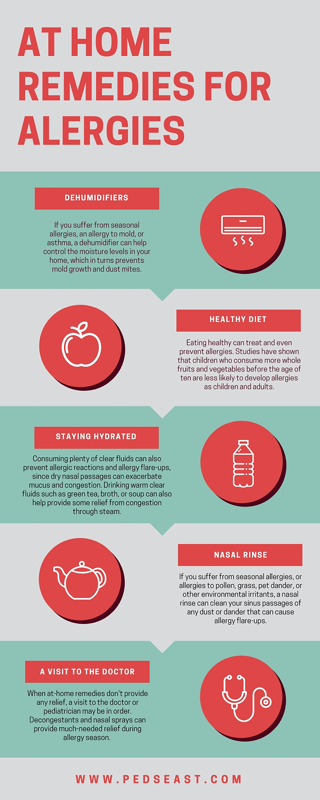
As the seasons change, so do our allergies. From winter’s cold to spring’s blooms, seasonal allergies can wreak havoc on our lives. In this article, we’ll explore the common symptoms of seasonal allergies, the best natural remedies, and most importantly, how to avoid making your allergies worse.
Understanding Seasonal Allergies
Seasonal allergies, also known as hay fever or allergic rhinitis, occur when your body overreacts to certain allergens like pollen, dust mites, or pet dander. The symptoms can be uncomfortable and affect not only our quality of life but also our mental health.
Common Symptoms of Seasonal Allergies
Seasonal allergies can manifest in different ways, depending on the specific allergen and individual tolerance. Here are some common symptoms:
- Congestion and stuffiness
- Runny nose and sinus pressure
- Itchy, watery eyes
- Coughing and wheezing
- Skin rashes or hives
Allergies Seasonal: What to Look Out For
Some seasonal allergies can be quite severe, affecting a significant portion of the population. Here are some common seasonal allergies:
- Pollen allergy: Caused by trees, grasses, and weeds that produce pollen.
- Spring allergy: Typically affects March to May, triggered by tree pollen.
- Summer allergy: Often caused by weed pollen and grass pollen.
- Autumn allergy: Triggered by ragweed and other plant pollen.
Natural Remedies for Seasonal Allergies
While medication can provide temporary relief, there are many natural remedies that can help alleviate seasonal allergies. Here are some of the best ones:
- Nasal irrigation: Rinse your nasal passages with a saline solution to remove allergens and reduce congestion.
- Quercetin: A flavonoid found in fruits, vegetables, and herbs that has anti-inflammatory properties.
- Local honey: Consuming small amounts of local, raw honey can help build up tolerance to local allergens.
- Neti pot: Rinse your nasal passages with a saline solution using a neti pot.
Error-Prone Habits to Avoid
While it’s easy to get carried away with treatment options, there are some common mistakes that can exacerbate seasonal allergies. Here are some error-prone habits to avoid:
- Using the wrong medication: Always consult an allergist or doctor before taking any new medications.
- Opening windows without filtering: Leave your air conditioner and ventilation systems running to remove allergens from the air.
- Not wearing protective gear: Wear sunglasses, hats, and gloves when outdoors during peak pollen hours.
- Overusing decongestants: Use these only as directed and for short periods.
Prevention is Key
While it’s impossible to completely eliminate seasonal allergies, there are steps you can take to reduce their impact:
- Consult an allergist: Get a proper diagnosis and treatment plan from a medical professional.
- Stay informed: Monitor pollen counts and adjust your plans accordingly.
- Use air purifiers: Keep your home clean by using air purifiers that remove allergens like dust mites and pet dander.
Lifestyle Changes for Seasonal Allergy Sufferers
In addition to natural remedies and avoiding error-prone habits, there are several lifestyle changes you can make to reduce the impact of seasonal allergies:
- Stay active: Regular exercise can help improve your immune system’s function.
- Eat a balanced diet: Include foods rich in omega-3 fatty acids, vitamin D, and antioxidants in your diet.
- Get enough sleep: Aim for 7-8 hours of sleep per night to help regulate your immune system.
Conclusion
Seasonal allergies can be a real nuisance, but with the right knowledge and treatment, you can alleviate symptoms and improve your quality of life. By understanding what causes seasonal allergies, recognizing common symptoms, and avoiding error-prone habits, you’ll be well on your way to managing your allergies.
Frequently Asked Questions
Q: What is the best way to treat seasonal allergies?
A: Consult an allergist or doctor for a proper diagnosis and treatment plan. Consider using natural remedies like nasal irrigation, quercetin, and local honey.
Q: Can I prevent seasonal allergies by staying indoors during peak pollen hours?
A: While staying indoors can reduce exposure to allergens, it’s not a foolproof solution. Consider using air purifiers and taking other preventive measures.
Q: How long does it take for symptoms to appear after exposure to an allergen?
A: Symptoms typically appear within 15-30 minutes after exposure to an allergen.
Q: Can I treat seasonal allergies with over-the-counter medication?
A: While over-the-counter medications can provide temporary relief, they may not be effective in the long term. Consult an allergist or doctor for proper treatment.
Q: Are there any food allergens that can trigger seasonal allergies?
A: Yes, some foods like apples, carrots, and peaches contain proteins that can trigger allergic reactions in people with pollen allergies.
Q: How often should I take medication to treat seasonal allergies?
A: Follow the instructions on your medication label or consult an allergist or doctor for personalized advice.


