
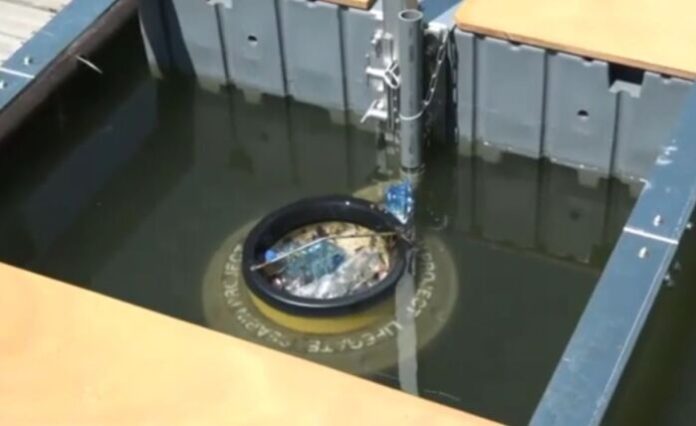
The Power of a Single Seabin
Imagine a world where plastic pollution is a thing of the past. A world where our oceans are free from the harm caused by microplastics and microfibers. This reality may seem far-fetched, but thanks to a pioneering collaboration between Coop and LifeGate, we’re one step closer to making it a reality.
In recent years, Italy has faced numerous challenges related to plastic pollution in its waterways. The country’s beautiful rivers, lakes, and oceans are under threat from the accumulation of plastic waste, which harms marine life, contaminates drinking water sources, and affects local ecosystems. However, there is hope on the horizon, thanks to a groundbreaking partnership between Coop, one of Italy’s largest food retailers, and LifeGate, a company specializing in innovative solutions for reducing plastic pollution.
What is a Seabin?
A Seabin is an ingenious device designed to capture plastic waste that falls into water bodies. This remarkable solution uses a small pump to filter out water from the Seabin, while also capturing floating debris such as bottles, bags, and other non-biodegradable materials. By installing these seashells on rivers, lakes, and oceans, they can collect up to 500 kilograms of plastic waste annually.
The Collaboration between Coop and LifeGate
Coop and LifeGate have joined forces to bring this revolutionary technology to Italy. Their first installation is located on the Arno River in Florence, where they aim to collect 500 kilograms of plastic waste per year. This partnership is part of a larger initiative to deploy 25 Seabins across Italy, with plans to install them in major cities like Genoa, Pescara, Milan, and Verbania.
This collaboration between Coop and LifeGate represents a significant step forward in the fight against plastic pollution. By working together, these two organizations can pool their resources and expertise to create a more sustainable future for Italy’s waterways. The impact of this partnership will be felt far beyond Florence, as it sets a precedent for other businesses and organizations to follow.
The Impact of Coop’s Environmental Efforts
Coop has been at the forefront of reducing plastic pollution for years. Their commitment to sustainability is evident in their “Pledging Campaign,” which aims to reduce plastic use by 6,400 tons annually by 2025. This initiative is part of Coop’s broader efforts to minimize waste and promote recycling.
The Importance of Protecting Our Waterways
Our waterways are facing a severe crisis due to plastic pollution. The last report from the Ispra Institute highlights that over 50,000 fish species have ingested plastic debris in the Mediterranean Sea alone. The Arno River is one of the most critical rivers in Italy, with an estimated 18,700 kilograms of plastic waste flowing into it every year.
Protecting our waterways requires a comprehensive approach that involves individuals, businesses, and governments working together to reduce plastic pollution. This can be achieved through education, innovation, and cooperation, as well as policy changes and legislative reforms. By taking action today, we can prevent further damage to Italy’s delicate ecosystem and ensure a healthier future for generations to come.
The Symbolic Value of the First Seabin
The installation of the first Seabin on the Arno River serves as a powerful symbol of our commitment to protecting the environment. This collaboration between Coop and LifeGate demonstrates that even small actions can have a significant impact when combined with collective efforts.
As we look to the future, it’s clear that reducing plastic pollution in Italy will require sustained effort and dedication. However, with initiatives like the Seabin project, we can create momentum and inspire others to join us on this journey towards a more sustainable future.
Breaking Down Plastic Pollution: A Call to Action
Reducing plastic pollution requires a multifaceted approach that involves individuals, businesses, and governments working together to create a more sustainable future. We must work collectively to address the root causes of plastic pollution, including overconsumption, lack of waste management infrastructure, and inadequate recycling practices.
Here are some ways we can contribute to reducing plastic pollution:
- Reduce your use of single-use plastics: Refuse bags, straws, water bottles, and other disposable items whenever possible.
- Recycle and reuse: Properly recycle materials like paper, plastic, glass, and metal. Also, reusing items like containers, bags, and other household goods can significantly reduce waste.
- Participate in beach cleanups: Join local groups or organize your own cleanup events to help remove trash from our oceans and waterways.
- Support organizations working on plastic pollution: Donate to charities or donate time to groups focused on reducing plastic pollution, like the Seabin project.
By taking these steps and supporting initiatives like the Seabin project, we can make a real difference in the fight against plastic pollution. Together, we can create a more sustainable future for Italy’s waterways and protect our planet for generations to come.
Frequently Asked Questions
- What is the purpose of the Seabin project?
The Seabin project aims to reduce plastic pollution in Italy’s rivers, lakes, and oceans by collecting up to 500 kilograms of plastic waste annually. - Why did Coop choose to partner with LifeGate?
Coop chose to partner with LifeGate due to their shared commitment to reducing plastic pollution and promoting sustainability. - What is the impact of plastic pollution on marine life?
Plastic pollution poses a significant threat to marine life, with over 50,000 fish species ingesting plastic debris in the Mediterranean Sea alone. - How can individuals contribute to reducing plastic pollution?
Individuals can contribute to reducing plastic pollution by adopting sustainable practices, such as recycling, reusing, and avoiding single-use plastics.
By working together, we can make a difference and create a more sustainable future for our planet.


