
Introduction
When we think of anemones, we often imagine a colorful, marine creature attached to a rock in the ocean. But did you know that there’s another type of anemone out there – one that’s beautiful and vibrant, but also has a fascinating history and unique characteristics? In this article, we’ll delve into the world of both marine and flowering anemones, exploring their differences, similarities, and what makes them so special.
Marine Anemones
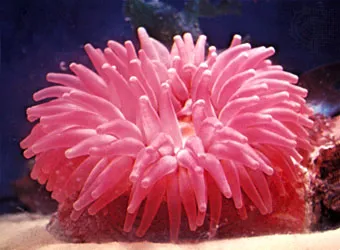
Marine anemones are part of the Actiniaria order and are found in oceans around the world. They’re closely related to corals and jellyfish, and can be recognized by their bright colors and distinctive tentacles. But marine anemones aren’t just pretty to look at – they also have a unique way of capturing prey.
How Marine Anemones Work
Marine anemones use specialized cells called nematocysts to capture small fish and other invertebrates that swim too close. These cells inject a painful, paralyzing toxin into the victim’s body, which ultimately leads to its demise. It may sound gruesome, but it’s just one of the many fascinating ways that marine anemones have adapted to survive in their underwater world.
Types of Marine Anemones
There are over 1,000 species of marine anemones, ranging from tiny, barely-visible creatures to massive, tree-like formations. Some species can be found in shallow waters, while others dwell at great depths, where the pressure is extreme and the light is scarce. But all marine anemones share one thing in common: their ability to thrive in a wide range of environments.
Algae Symbiosis
Some marine anemones have formed symbiotic relationships with algae, which provide them with essential nutrients and shelter from predators. This mutually beneficial relationship allows both species to survive and even thrive in the harsh ocean environment.
Defense Mechanisms
Marine anemones have several defense mechanisms that help protect them from predators. These include the nematocysts mentioned earlier, as well as the ability to release a cloud of stinging cells into the water when threatened. Some species can also change color or texture to blend in with their surroundings.
Coral Reefs
Marine anemones play a crucial role in coral reef ecosystems. They provide food and shelter for numerous species of fish, crustaceans, and other invertebrates, while also helping to maintain the health and diversity of the reef.
Conservation Status
Unfortunately, many marine anemone species are threatened or endangered due to habitat destruction, overfishing, and climate change. Conservation efforts are underway to protect these incredible creatures and their habitats.
Flowering Anemones
But what about flowering anemones? These beautiful plants are part of the Ranunculaceae family and are found in warm, temperate regions around the world. They’re known for their delicate, often brightly colored flowers that bloom in spring and summer.
The History of Flowering Anemones
Flowering anemones have been cultivated for centuries, with records of their use dating back to ancient Greece and Rome. They were highly prized by botanists and horticulturist for their unique beauty and versatility.
Types of Flowering Anemones
There are several types of flowering anemones, each with its own distinct characteristics and growing conditions. The Japanese anemone (Anemone japonica), for example, is a popular variety that blooms in late summer and early fall. Other species, like the coronaria and japonica, have similar growing requirements but differ in their flower color and size.
Care and Maintenance
If you’re interested in growing your own flowering anemones, here are some tips to keep in mind:
- Provide plenty of light: Flowering anemones need bright, indirect light to bloom.
- Water carefully: Make sure the soil is consistently moist but not waterlogged.
- Fertilize regularly: Feed your anemones with a balanced fertilizer to promote healthy growth.
Propagation
Flowering anemones can be propagated through division or seed. Division involves separating the plant into smaller sections, while seed propagation requires careful germination and care.
Common Problems
Some common problems that flowering anemones may experience include powdery mildew, leaf spot, and root rot. These issues can often be addressed through proper care and maintenance, such as adjusting watering schedules or providing additional light.
Conclusion
Anemones are fascinating creatures that come in many different shapes and sizes. Whether you’re interested in marine or flowering varieties, there’s something about these plants (or animals) that captures our imagination. With their unique adaptations, striking beauty, and intriguing history, anemones are definitely worth exploring further.
Frequently Asked Questions
- What is the difference between a marine and flowering anemone?
Marine anemones are marine animals that capture prey using specialized cells called nematocysts. Flowering anemones, on the other hand, are plants with brightly colored flowers. - How do marine anemones work?
Marine anemones use nematocysts to capture small fish and invertebrates by injecting a painful, paralyzing toxin into their bodies. - What types of marine anemones exist?
There are over 1,000 species of marine anemones, ranging from tiny, barely-visible creatures to massive, tree-like formations. - Can I grow my own flowering anemones?
Yes! Flowering anemones can be grown with proper care and maintenance, including providing plenty of light, water, and fertilizer. - What is the difference between Japanese and coronaria anemones?
Japanese anemones (Anemone japonica) are known for their delicate, often white or pink flowers that bloom in late summer and early fall. Coronaria anemones have similar growing requirements but differ in their flower color and size. - Are flowering anemones toxic?
Yes, some species of flowering anemones contain a toxin called protoanemonin, which can cause skin irritation or other adverse effects if ingested. - Can I use flowering anemones for medicinal purposes?
Some species of flowering anemones have been used in traditional medicine for centuries, but their effectiveness and safety have not been extensively studied. - How do I care for my marine anemone?
To care for your marine anemone, provide it with plenty of light, water, and a balanced diet of small fish or other invertebrates. Avoid over-handling or disturbing the anemone excessively.
Additional Resources
For more information on marine and flowering anemones, check out these additional resources:
- National Geographic: “Anemones”
- Gardening Know How: “How to Grow Anemones”
- MarineBio: “Anemones”
By exploring the fascinating world of anemones, we can gain a deeper appreciation for the beauty and diversity of life on Earth. Whether you’re interested in marine or flowering varieties, there’s something about these incredible creatures that will captivate and inspire you.


