
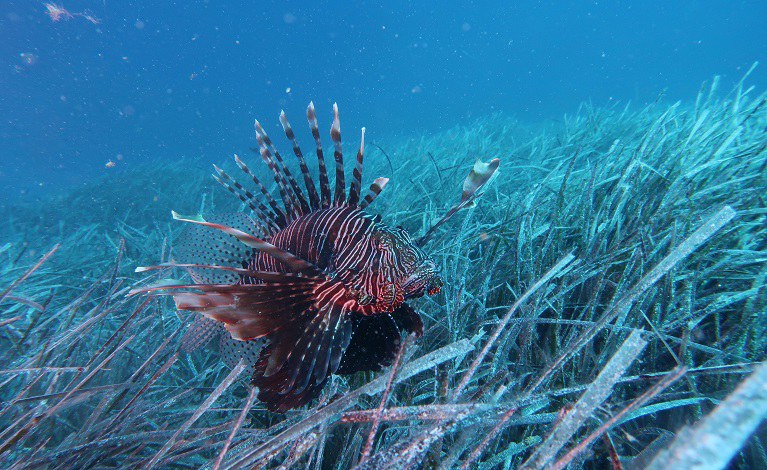
Introduction to Alien Species and the Lionfish
As humans, we’ve seen our share of invasive species wreak havoc on local ecosystems. The lionfish, also known as the pesce scorpione in Italy, is one such example. This tropical predator has invaded various marine habitats, causing significant ecological damage and posing a threat to human safety.
What is an Alien Species?
Before diving into the lionfish invasion, it’s essential to understand what we mean by “alien species.” In biology, a species aliena refers to a non-native species that colonizes a new habitat due to human activities. These invasive species can have devastating effects on local ecosystems and require immediate attention.
The Lionfish Invasion: A Growing Concern in Italian Waters
Italy has experienced several instances of alien species invasions, including the nutria, punteruolo rosso, vespa velutina, and popilia japonica. Each of these species has caused significant damage to agricultural lands, forests, and aquatic ecosystems.
Why is the Lionfish a Threat?
The lionfish’s invasion into Italian waters poses a significant threat due to its invasive nature and venomous spines. These spines contain a potent neurotoxin that can cause severe pain, nausea, vomiting, febrile convulsions, diarrhea, and difficulty breathing.
A Brief History of the Lionfish Invasion
The lionfish (Pterois miles) is native to the Red Sea and Indian Ocean. However, its introduction to Florida in the 1990s marked the beginning of a rapid invasion into the Caribbean and western Atlantic coasts. The species has since spread to the Mediterranean, including Italian waters.
Why is the Lionfish a Perilous Predator?
The lionfish’s venomous spines make it a formidable predator. These spines can remain active for up to 48 hours after death, posing a significant threat even to humans who may consume the fish.
Precautions and Preparations: What to Do if You Encounter a Lionfish
If you encounter a lionfish while fishing or snorkeling in Italian waters, follow these steps:
- Remove any venomous spines from the affected area
- Immerse the affected area in hot water (around 104°F) for at least 20 minutes to neutralize the toxin
- Seek medical attention immediately if you experience any symptoms
Join the Effort: Reporting Lionfish Sightings
The Italian Environment Agency (Ispra) and other organizations are working together to monitor lionfish populations and prevent further invasions. If you spot a lionfish, please report it to Ispra’s email address (email protected) or join the “oddfish” Facebook group.
The Lionfish: A Commestible Species
Believe it or not, the lionfish is edible and considered a delicacy in some parts of the world. However, its venomous spines require caution during preparation and cooking.
Consequences of Invasive Species
Invasive species can have devastating consequences on local ecosystems. Some examples include:
- Displacement of native species
- Alteration of food chains and nutrient cycles
- Economic impacts due to damage to crops and fisheries
Understanding the Impact of Lionfish on Italian Ecosystems
The lionfish’s invasion has significant implications for Italy’s marine ecosystems. For example:
- The lionfish is a voracious predator that feeds on native species, leading to a decline in fish populations
- Its venomous spines can cause harm to humans and other animals
International Cooperation: Combating the Lionfish Invasion
The fight against the lionfish invasion requires international cooperation. Some examples include:
- The United Nations Environment Programme (UNEP) has launched initiatives to monitor lionfish populations and prevent further invasions
- The European Union has implemented measures to control the spread of invasive species, including the lionfish
Education and Awareness: Key to Success
Education and awareness are crucial in combating the lionfish invasion. Some ways to educate people about the risks associated with this species include:
- Organizing workshops and seminars on the dangers of lionfish
- Creating educational materials and videos about the importance of monitoring lionfish populations
Conclusion: Understanding the Perils of the Lionfish Invasion
The lionfish invasion poses significant threats to Italian ecosystems and human safety. By understanding the risks associated with this species, we can work together to prevent further invasions and mitigate the damage caused by these invasive predators.
By joining efforts to monitor lionfish populations, reporting sightings, and educating others about the dangers of this species, we can make a difference in protecting Italy’s marine ecosystems.


