
As a gardener, it’s not uncommon to encounter unwanted visitors in your garden – but some are more troublesome than others. The Sclerotinia is one such pest that can wreak havoc on your plants, causing damage that’s difficult to repair. In this article, we’ll delve into the world of Sclerotinia, exploring what it is, how it affects different types of plants, and most importantly, how to prevent and manage its impact.
What is Sclerotinia?
Sclerotinia is a genus of fungi that includes several species, each with its unique characteristics and habits. These fungi are opportunistic, meaning they can thrive on various plant hosts, from vegetables to fruits and tubers. While some Sclerotinia species may not cause significant damage, others can lead to severe issues like root rot, leaf blight, and even cancer-like lesions.
There are several types of Sclerotinia, each with its preferred host plants:
- Sclerotium: affects tubers, particularly when stored in humid environments
- Trifoliorum: targets peas, beans, and other legumes
- Sclerotina minor: impacts leafy greens like lettuce, spinach, and kale
Other less common species include Cinerea, which attacks plants from the Dupraceae family, Sclerotinia fructigena, which harms fruit-bearing plants, and Iaxa, a soft rot fungus that specifically targets grapes.
What Plants Are Most Affected?
Sclerotinia can attack various plant types, including:
- Vegetables: lettuce, spinach, peas, beans, and other legumes
- Fruits: apples, pears, grapes, and other fruit-bearing plants
- Tubers: potatoes, sweet potatoes, and other root vegetables
- Herbs: many leafy greens, such as kale, collard greens, and mustard greens
Keep in mind that some plants are more susceptible to Sclerotinia than others. Regular monitoring is crucial to identify potential issues early on.
Prevention and Management
While it’s challenging to completely eliminate the risk of Sclerotinia, there are steps you can take to minimize its impact:
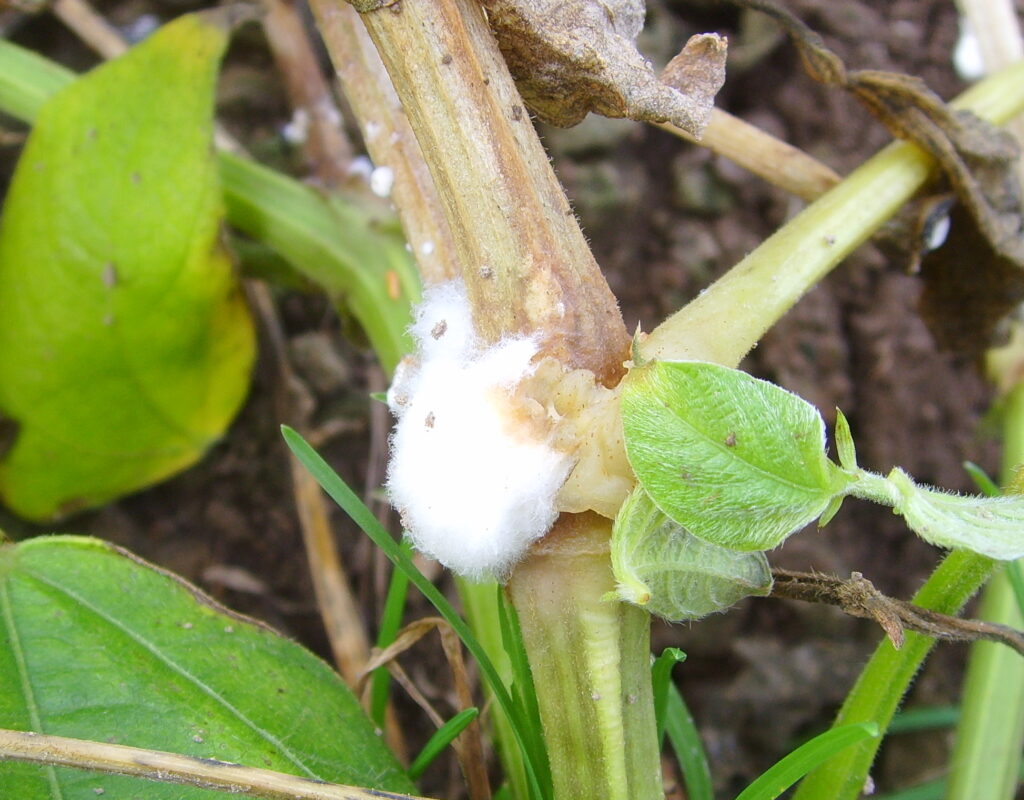
- Regular Inspections: Monitor your plants regularly for signs of Sclerotinia, such as white cottony growths or black, sunken spots.
- Proper Sanitation: Remove any infected plant material, including roots and tubers, to prevent the fungus from spreading.
- Air Circulation: Ensure good air circulation around your plants by creating space between them and providing adequate ventilation.
- Fertilization: Fertilize with nitrogen-rich fertilizers to promote healthy growth and resistance to disease.
If you do encounter Sclerotinia, don’t hesitate to take action. Remove infected parts of the plant immediately, and consider using fungicides or other control methods as a last resort.
Conclusion
Sclerotinia may seem like an insurmountable foe, but by understanding its habits and taking proactive steps, you can protect your plants from this pesky fungus. Remember to stay vigilant during planting seasons, maintain good sanitation practices, and keep your garden well-ventilated.
In the following FAQs section, we’ll address some common questions about Sclerotinia, providing additional guidance on how to manage this plant killer:
Q: What is the best way to prevent Sclerotinia from infecting my plants?
A: Regular inspections, proper sanitation, air circulation, and fertilization can help minimize the risk of Sclerotinia.
Q: How do I identify infected plants?
A: Look for white cottony growths or black, sunken spots on your plants. Remove any infected material immediately to prevent further spread.
Q: Can I use fungicides to control Sclerotinia?
A: Yes, but always follow the instructions carefully and take necessary precautions to avoid harming beneficial organisms in your garden.
Q: How often should I water my plants to prevent Sclerotinia?
A: Avoid overwatering, as this can create an environment conducive to fungal growth. Instead, focus on maintaining consistent moisture levels and good air circulation.
Q: Can I grow Sclerotinia-infected plants again?
A: No, infected plant material should be removed and destroyed to prevent re-infection.
Common Signs of Sclerotinia Infection
Identifying the signs of Sclerotinia infection can make all the difference in preventing further damage. Keep an eye out for these common symptoms:
- White Cottony Growth: A white, cottony growth may appear on the surface of infected leaves or stems.
- Black, Sunken Spots: Dark, sunken spots may develop on affected areas, often accompanied by a soft, mushy texture.
- Leaf Blight: Sclerotinia can cause leaf blight, which appears as yellowing or browning leaves with blackened margins.
- Root Rot: Infected plants may exhibit signs of root rot, including wilting, stunted growth, and a foul odor.
Preventing Re-Infestation
Once you’ve removed infected plant material, it’s essential to take steps to prevent re-infestation:
- Cleanliness: Ensure your garden tools are clean and disinfected before using them on healthy plants.
- Storage: Store seeds, seedlings, and other plant materials in a well-ventilated area or dry, cool location.
- Soil Preparation: Add organic matter like compost or well-rotted manure to improve soil structure and reduce disease susceptibility.
By following these guidelines and staying vigilant for signs of Sclerotinia infection, you can protect your plants from this pesky fungus.


