
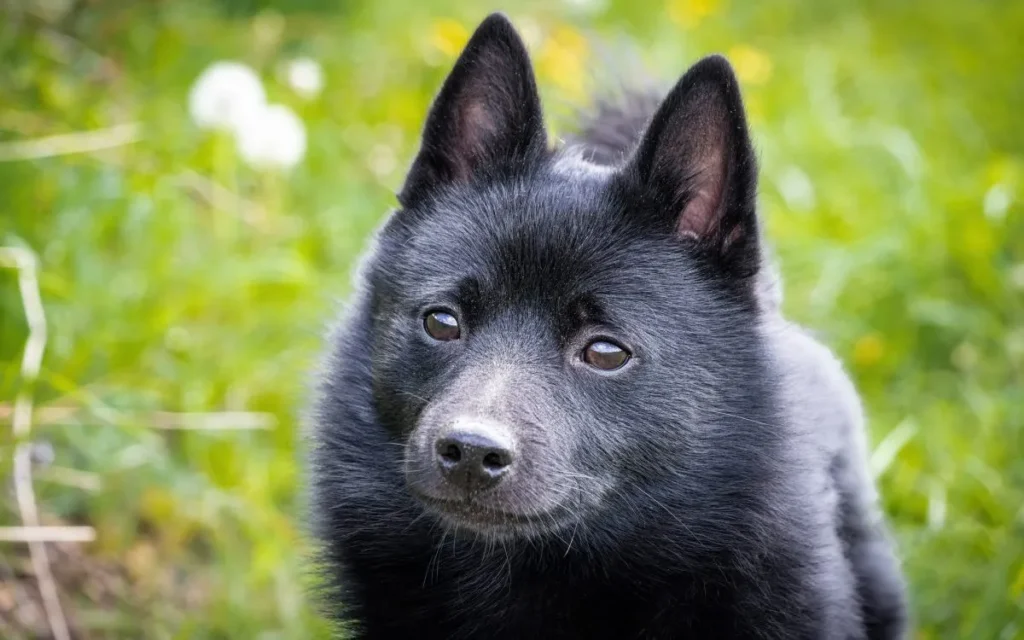
The Schipperke is a small, agile dog breed that originated in Flanders (now part of Belgium). Known for its distinctive appearance and energetic personality, this breed has captured the hearts of many canine enthusiasts. In this article, we will delve into the history, characteristics, and care requirements of the Schipperke.
History of the Schipperke
The Schipperke is believed to have originated in Flanders in the 16th century as a working dog, used for herding sheep and guarding property. Its name is derived from the Dutch word “schipper,” meaning “sailor” or “captain.” Another theory suggests that its name comes from the Flemish word “skipperke,” meaning “little skipper” or “little captain.”
The Schipperke’s popularity as a companion dog emerged in the 19th century, particularly among royalty and nobility. The breed was recognized by the FCI (Fédération Cynologique Internationale) in 1882.
Physical Characteristics
The Schipperke is a small to medium-sized dog with a distinctive appearance:
- Coat: Short, dense, and glossy black
- Chest: Broad and deep
- Tail: Docked (shortened)
- Head: Wolf-like muzzle, erect ears, and almond-shaped eyes
- Body: Muscular and athletic
The Schipperke’s unique appearance is due to its short tail and distinctive head shape.
Personality
Schipperkes are known for their energetic, playful, and loyal personalities:
- Intelligent: Highly intelligent and trainable
- Active: Energetic and requires regular exercise
- Protective: Loyal and protective of its family and territory
- Alert: Alert and watchful, with a strong instinct to patrol
Care Requirements
To ensure the health and well-being of your Schipperke, provide the following care:
- Exercise: Regular exercise, such as walks and playtime, is essential for maintaining physical and mental health
- Training: Early training and socialization are crucial for developing good behavior and preventing behavioral problems
- Grooming: Regular grooming, including nail trimming, ear cleaning, and brushing, helps maintain the coat’s health and appearance
Health Considerations
While Schipperkes are generally a healthy breed, they can be prone to certain health issues:
- Patellar luxation: A condition where the kneecap slips out of place
- Hip dysplasia: A genetic condition that affects the hip joint
- Progressive retinal atrophy: A degenerative eye disorder
Regular veterinary check-ups and genetic testing can help identify potential health issues early on.
Breeding and Genetics
Schipperkes are a relatively rare breed, with only a few breeders in Italy. Responsible breeding practices ensure that the breed remains healthy and genetically diverse.
- Lineage: Schipperkes are known for their loyalty and intelligence, making them an excellent choice for active families
- Health: Regular health checks and genetic testing help prevent inherited diseases
Breeder Selection
When selecting a breeder, consider the following factors:
- Experience: Look for breeders with extensive experience in breeding Schipperkes.
- Health clearances: Ensure that the breeder has performed necessary health tests on their dogs.
- Temperament: Choose a breeder who prioritizes temperament and socialization.
FAQs
Here are some frequently asked questions about Schipperke breeders:
- What is the ideal weight range for a Schipperke?
- The ideal weight range for a Schipperke is between 3-9 kg (6.6-19.8 lbs).
- Are Schipperkes good with children?
- Yes, Schipperkes are excellent with children due to their gentle and patient nature.
- How much exercise does a Schipperke require?
- Regular exercise is essential for maintaining physical and mental health; daily walks and playtime are recommended.
By understanding the history, characteristics, and care requirements of the Schipperke, you can provide a loving home for one of these energetic and loyal dogs.


