
Introduction
If you’re looking for a unique and charming breed of dog, look no further than the Schapendoes. Originating from the Netherlands, this gentle giant has gained popularity among dog enthusiasts in recent years, but remains relatively unknown outside of Europe. With its distinctive appearance and friendly demeanor, it’s no wonder why many consider the Schapendoes to be one of the most underrated breeds around.
Origin
The Schapendoes has a rich history dating back to the late 19th century in the Netherlands. During World War II, the breed was nearly extinct due to lack of breeding and care. However, thanks to the dedication of P.M.C. Toepoel, a passionate dog breeder, the Schapendoes was revived and recognized as a distinct breed. In 1947, Toepoel founded the first Club for the Schapendoes, paving the way for the breed’s official recognition in 1954.
Physical Characteristics
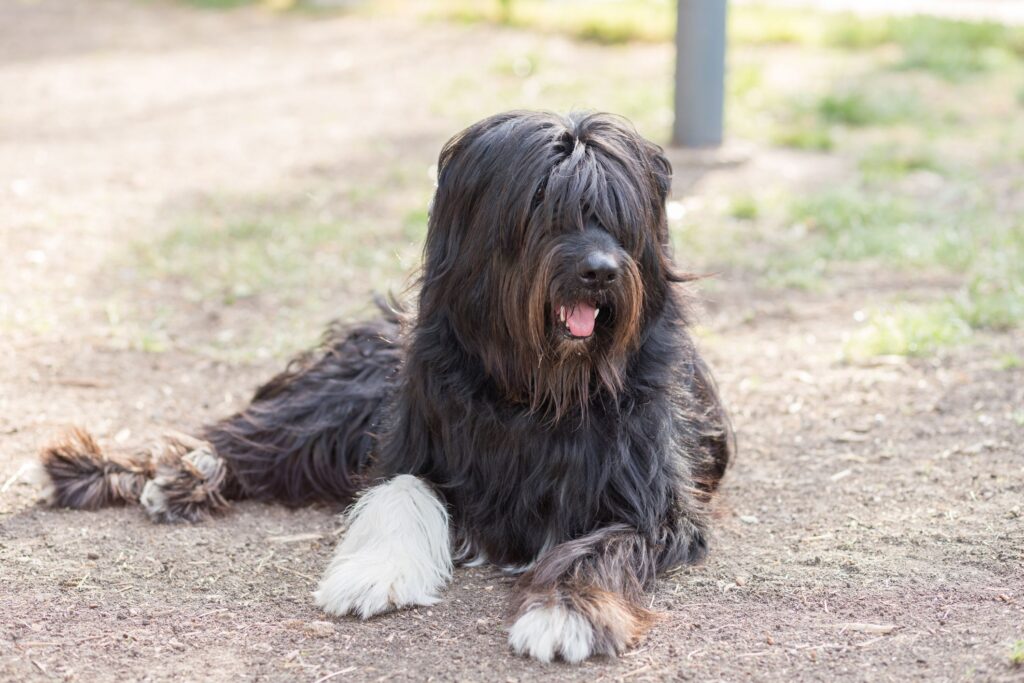
The Schapendoes is a medium-sized dog with a sturdy build, weighing between 23-32 kg (50-70 lbs) and standing between 43-50 cm (17-20 inches) tall. Its distinctive feature is its thick, wiry coat, which comes in various colors including black, gray-blue, and tan. The breed’s eyes are large and expressive, with a warm brown color. The Schapendoes has a broad head, well-set ears, and a bushy tail that gives it a playful appearance.
One of the most striking features of the Schapendoes is its coat, which is highly valued by breeders and owners alike. The thick, wiry texture provides excellent protection against the elements and requires minimal grooming to maintain its health and shine. Regular brushing (at least once a week) is essential to prevent matting and tangling.
The Schapendoes’ broad head is another distinctive feature, with a flat skull and well-set jaw. This gives the breed an endearing expression that has won over many hearts. The well-set ears are medium-sized and erect, adding to the breed’s elegant appearance.
Personality
The Schapendoes is known for its gentle, affectionate nature, making it an ideal companion for families with children. This breed is highly intelligent and responsive to training, but can be stubborn at times. The Schapendoes is naturally protective of its family and territory, but remains calm and composed in the presence of strangers.
Despite its strong instincts as a herder, the Schapendoes is not inherently aggressive or confrontational. Proper socialization and training are essential for developing this breed’s natural guarding abilities into well-behaved companions.
Working History
Historically, the Schapendoes was bred to herd livestock, particularly sheep. Its exceptional agility, intelligence, and strong work ethic made it an invaluable asset for farmers and herders. Today, while some Schapendoes still excel in herding, many have been adopted as pets, where they thrive as loving companions.
The breed’s original purpose is still reflected in its physical build and temperament, but many owners appreciate the Schapendoes’ friendly and outgoing nature, making it an excellent choice for families with children or active singles looking for a loyal companion.
Rarity and Availability
Due to its relatively low popularity, the Schapendoes is not widely available outside of Europe. In Italy, only a handful of breeders are currently registered with the FCI (Fédération Cynologique Internationale). If you’re interested in acquiring a Schapendoes puppy, be prepared to wait and research reputable breeders carefully.
Price
As one would expect from a rare breed, the price of a Schapendoes puppy can vary significantly. Expect to pay anywhere from €800 to €2,000 or more, depending on factors such as bloodline, breeding quality, and health clearances.
Common Faults and Health Concerns
Like all breeds, the Schapendoes is prone to certain health issues and faults, including depigmentation of the coat, ear problems, tooth alignment issues, excessive movement, nervous or aggressive behavior, and insufficient muscle mass. Responsible breeders prioritize health testing and selection to minimize these risks.
Health Testing
Responsible breeding requires regular health testing to identify potential genetic disorders. Breeders should conduct regular hip and elbow evaluations, as well as eye checks to ensure the Schapendoes remains healthy and sound. Other important health tests include DNA analysis for inherited conditions such as patellar luxation and thyroid issues.
Genetic Diversity
To maintain genetic diversity within the breed, breeders should prioritize selecting dogs with diverse genetic backgrounds. This helps prevent inbreeding and reduces the risk of inherited disorders.
Health Guarantee
A reputable breeder will offer a health guarantee to ensure the puppy’s well-being for a certain period. The length of this guarantee varies depending on the breeder, but it typically ranges from 1-2 years.
Conclusion
If you’re looking for a unique canine companion that will capture your heart with its intelligence, loyalty, and affectionate nature, consider the Schapendoes. With proper care and attention, this breed can thrive as a loving family pet or working dog. Don’t be discouraged by its rarity – the Schapendoes is a true gem waiting to be discovered.
Frequently Asked Questions
Q: What is the ideal age for acquiring a Schapendoes puppy?
A: The ideal age for acquiring a Schapendoes puppy is between 8-12 weeks old, ensuring optimal socialization and health.
Q: How often should I bathe my Schapendoes?
A: Regular bathing (every 2-3 months) helps maintain the breed’s distinctive coat. However, excessive bathing can strip the dog of its natural oils.
Q: Can Schapendoes be used as guard dogs?
A: While the Schapendoes is naturally protective, it is not inherently aggressive or confrontational. Proper training and socialization are essential for a well-behaved guarding breed.
Q: How much exercise does my Schapendoes need?
A: The Schapendoes requires regular exercise to stay happy and healthy. Aim for daily walks (30-60 minutes) and playtime (at least 15-30 minutes).
Q: What are the most common health issues in Schapendoes?
A: Common health concerns include depigmentation, ear problems, tooth alignment issues, excessive movement, nervous or aggressive behavior, and insufficient muscle mass.
Q: Can I train my Schapendoes to perform tricks?
A: Absolutely! The Schapendoes is highly intelligent and responsive to training. Positive reinforcement techniques work best for this breed.
Q: How long do Schapendoes typically live?
A: With proper care, the average lifespan of a Schapendoes is 12-15 years, with some individuals living up to 18 years or more.
Q: Can I show my Schapendoes in dog shows?
A: Yes! The Schapendoes is recognized by FCI and the Dutch Kennel Club. If you’re interested in competing, research local breed clubs and rules for participation.
Additional Resources
For more information on the Schapendoes breed, consult reputable sources such as:
- FCI (Fédération Cynologique Internationale)
- Dutch Kennel Club
- Breed clubs, such as the Schapendoes Club Nederland
Grooming
The Schapendoes’ coat requires regular maintenance to keep it healthy and shiny. Here are some essential grooming tips:
- Brush your Schapendoes at least once a week, using a soft-bristled brush or a slicker brush for detangling.
- Bathe your Schapendoes every 2-3 months, using a mild shampoo suitable for their coat type.
- Trim the coat regularly to prevent matting and tangling.


