
Introduction
Saxifraga, also known as Sassifraga, is a versatile plant species that has been used primarily in hanging baskets. Its aesthetic appeal makes it a popular choice for indoor decoration. However, not many people know about the care requirements and propagation techniques of this fascinating plant.
In this article, we will delve into the world of Saxifraga, exploring its characteristics, growth habits, and common problems.
What is Saxifraga?
The name “Saxifraga” originates from the Latin words “saxum,” meaning stone, and “frango,” meaning to break or shatter. This refers to the plant’s ability to penetrate through rocks and break them apart.
Growth Habits and Characteristics
Saxifraga is a low-growing plant that thrives in well-draining soil with moderate temperatures between 7°C and 18°C. It prefers partial shade, especially during the hottest part of the day, but can tolerate direct sunlight in the morning or evening.
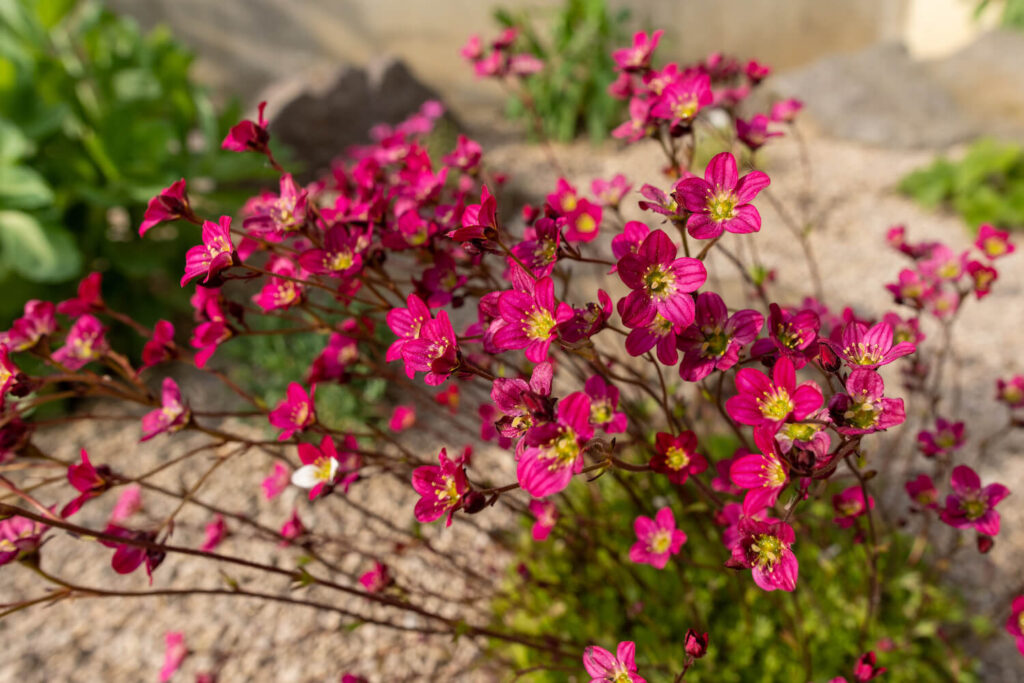
The plant’s rosette-shaped leaves are its most striking feature. They come in various colors, including green, white, pink, and purple, depending on the species. Saxifraga produces small, fragrant flowers that bloom during the summer months, typically lasting a few weeks.
Choosing the Right Variety
There are over 325 species of Saxifraga, but only one is commonly cultivated indoors: Saxifraga stolonifera. This Asian native grows up to 20 cm tall and has a creeping habit, making it ideal for hanging baskets.
One popular variety is Stolonifera tricolor, featuring leaves with white, pink, and green markings. Another notable species is Tombeanensis, found only in the pre-alpine regions of Lombardy, Trentino, and Veneto.
Common Problems and Solutions
While Saxifraga is relatively low-maintenance, it can still suffer from pests and diseases. Here are some common issues:
- Powdery mildew: A white, powdery coating on the underside of leaves. To treat, remove affected leaves with a cotton swab dipped in alcohol or a gentle soap solution.
- Aphids: Small, white-yellow-green insects that feed on sap. Use insecticidal soap or neem oil to control infestations.
- Root rot: Caused by overwatering, leading to soft, mushy roots. Improve drainage and reduce watering frequency.
Propagation
Saxifraga can be propagated through stolons. In the spring, gently twist and pull apart the stems connecting the mother plant to its offspring. Transplant each segment into a new pot filled with a well-draining mix of sand and peat moss. Keep the soil moist but not waterlogged until roots develop.
Tips for Successful Propagation
- Use clean tools: Sterilize scissors or pruning shears by dipping them in alcohol to prevent spreading diseases.
- Provide adequate light: Place newly propagated plants in a bright, sunny location to encourage root growth and development.
- Maintain optimal temperature: Keep the propagation area at a consistent temperature between 15°C and 20°C.
Pest Control Measures
To prevent pest infestations, maintain a clean and well-draining environment. Regularly inspect your plants for signs of pests or diseases, and take prompt action to address any issues promptly.
Conclusion
In conclusion, Saxifraga is a beautiful and unique plant that can thrive indoors with proper care and attention. By understanding its growth habits, common problems, and propagation techniques, you can enjoy this lovely plant for years to come.
Frequently Asked Questions (FAQs)
Q: How often should I water my Saxifraga?
A: Water your Saxifraga when the top inch of soil feels dry to the touch. Avoid overwatering, as this can lead to root rot.
Q: Can I grow Saxifraga outdoors?
A: Yes, but make sure it receives partial shade and well-draining soil to prevent root decay.
Q: How do I fertilize my Saxifraga?
A: Feed your Saxifraga with a balanced fertilizer during the growing season (spring-fall).
Q: Can I propagate my Saxifraga using division?
A: Yes, but it’s recommended to use stolons for faster results.
Q: What are some common pests that affect Saxifraga?
A: Aphids, mealybugs, and spider mites can infest your Saxifraga. Use insecticidal soap or neem oil to control these pests.
Q: How often should I prune my Saxifraga?
A: Prune your Saxifraga in the spring to maintain shape and encourage new growth.
Q: Can I grow multiple varieties of Saxifraga together?
A: Yes, but ensure they have different growing conditions and light requirements.


