
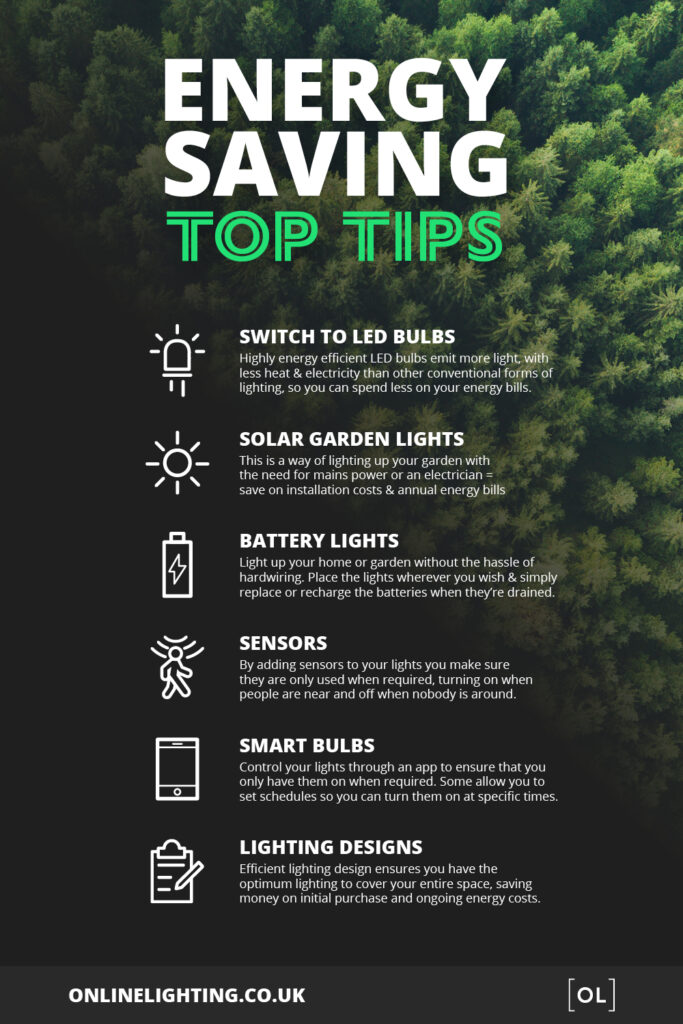
Are you aware that replacing traditional incandescent bulbs with more efficient systems can save up to 75-80% of electricity? And the best part? You don’t have to sacrifice comfort and quality of light. We’re talking about energy efficiency through illumination, specifically here.
A tangible energy savings in lighting is possible for residents, starting with condominiums, but lighting is a much more significant voice on utility bills for businesses, offices, and stores, where it can account for a substantial portion of the budget.
With the adoption of established and cutting-edge technologies (like LED lighting), you can meet diverse needs while saving energy. The key is to start with accurate lighting design, optimizing light sources in terms of both quantity and quality.
When it comes to public lighting, each municipality should take initiative to reduce waste and reach standards set by regulations. Keep in mind that street lighting accounts for 15-25% of a commune’s total energy costs. This means the potential savings are substantial.
To design an effective public lighting system, first and foremost, you need to evaluate whether lighting is truly necessary or implement practical measures like adjusting light heights.
Even in public lighting, as in homes and offices, it’s possible to replace traditional bulbs with high-performance lamps, resulting in savings ranging from 40 to 50%. Using smart lighting schedules can also help achieve additional savings.
Let’s dive deeper into the world of energy-efficient lighting and explore its benefits, challenges, and practical applications.
Understanding Energy Efficiency in Lighting
Energy efficiency in lighting refers to using less energy while maintaining or improving light quality. This approach is essential for reducing energy consumption and costs.
In simple terms, think of it as replacing old light bulbs with new ones that use less energy while still providing the same level of brightness. The difference lies in their design, technology, and materials used.
The Benefits of Energy-Efficient Lighting
So, why should you care about energy-efficient lighting? Here are some compelling reasons:
- Reduced electricity bills: By using less energy, you can save money on your utility bills.
- Lower greenhouse gas emissions: Energy-efficient lighting reduces the amount of carbon dioxide released into the atmosphere.
- Extended lifespan of light bulbs: Long-lasting bulbs mean fewer replacements and reduced waste.
- Improved indoor air quality: Some energy-efficient lighting solutions, like LED lights, are free from toxic chemicals.
How to Choose the Right Energy-Efficient Lighting Solution
With so many options available, selecting the right lighting solution can be overwhelming. Consider the following factors:
- Lumen output: The amount of light produced by a bulb. Different applications require different lumen outputs.
- Color temperature: Warm white (2700K-3000K) or cool white (3500K-5000K). Choose the color temperature that suits your needs and preferences.
- Lifespan: Longer-lasting bulbs save you money in the long run.
- Dimming capability: Some bulbs can be dimmed to adjust brightness.
Practical Applications of Energy-Efficient Lighting
Energy-efficient lighting is not just for residential use; it’s also crucial for businesses, offices, and public spaces. Here are some practical applications:
- Commercial lighting: Replace traditional bulbs with LEDs or CFLs to reduce energy consumption.
- Residential lighting: Use smart light bulbs or install LED strips in homes for a cozy ambiance.
- Public lighting: Implement energy-efficient streetlights and adjust schedules to optimize energy usage.
Challenges and Limitations
While energy-efficient lighting offers numerous benefits, there are also challenges to consider:
- Higher upfront costs: Energy-efficient bulbs can be more expensive than traditional ones.
- Compatibility issues: Some older systems may not be compatible with new, energy-efficient bulbs.
- Maintenance requirements: Regular maintenance is necessary for optimal performance.
Conclusion
Energy-efficient lighting is a simple yet effective way to reduce your carbon footprint and save money on electricity bills. By understanding the benefits, choosing the right solution, and implementing practical applications, you can make a significant impact on the environment and your wallet.
Frequently Asked Questions (FAQs)
- What are the most energy-efficient lighting options?
- LED bulbs and CFLs are among the most energy-efficient options.
- Can I use energy-efficient lighting in public spaces?
- Yes, but it’s essential to consider factors like compatibility and maintenance requirements.
- How do I choose the right color temperature for my lighting needs?
- Warm white (2700K-3000K) is ideal for relaxing areas, while cool white (3500K-5000K) is better suited for task-oriented spaces.
- What are some common myths about energy-efficient lighting?
- Common misconceptions include believing that energy-efficient bulbs are too expensive or that they’re not as bright as traditional bulbs.
- Can I dim energy-efficient light bulbs?
- Yes, but it’s essential to check compatibility and adjust the bulb accordingly.
- How can I reduce my energy consumption in public spaces?
- Implementing smart lighting schedules and using energy-efficient lighting fixtures can help reduce energy waste.
- Are there any government incentives for energy-efficient lighting?
- Yes, many governments offer tax credits or rebates for installing energy-efficient lighting systems.
By understanding the benefits and challenges of energy-efficient lighting, you can make an informed decision about your lighting needs and contribute to a more sustainable future.


