
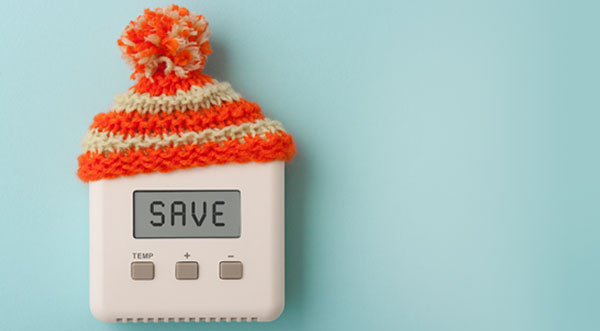
As the winter months approach, many of us think about how to keep our homes warm without breaking the bank. There are several strategies that can help you save on heating costs without making significant changes to your home’s structure. In this article, we’ll explore some effective ways to reduce your energy bills while keeping your home comfortable.
Investing in Smart Thermostats: A Cost-Effective Solution
One way to start saving on heating is by investing in a smart thermostat. These devices can be controlled remotely using your smartphone and optimize your heating usage for maximum efficiency. The initial cost of a smart thermostat is minimal, typically under €200, but the benefits are significant. You can enjoy substantial energy savings while maintaining a comfortable temperature.
Smart thermostats use advanced algorithms to learn your daily routine and adjust the temperature accordingly. This means that when you’re not home or sleeping, the system will lower the temperature to conserve energy, and when you return home, it will quickly raise the temperature to a comfortable level. Additionally, many smart thermostats can be integrated with other smart devices in your home, such as lights and security systems, to create a seamless and efficient heating experience.
Insulation with Reflective Panels: A Simple and Affordable Solution
Another simple and affordable solution to reduce heating costs is by installing reflective panels on your radiators. These panels absorb excess heat from your radiators and distribute it throughout your home, reducing the load on your heating system. The cost of these panels is approximately €10 per square meter, making them a budget-friendly option.
Reflective panels are designed to work in conjunction with your existing radiator system. They can be attached directly to the front or side of the radiator and will help to distribute heat more evenly throughout your home. By reducing energy consumption, you can save money on your heating bills without having to replace your radiators or install a new heating system.
Investing in Pellet Stoves: A Cost-Effective Alternative to Traditional Heating Systems
If you’re looking for a more substantial investment, consider installing a pellet stove. These stoves are designed to burn pellets made from compressed wood waste and produce heat while minimizing emissions. By investing in a high-efficiency pellet stove, you can enjoy significant energy savings and reduced greenhouse gas emissions.
Pellet stoves are a popular choice for homeowners looking for an alternative to traditional heating systems. They offer several benefits, including lower operating costs, reduced maintenance requirements, and increased efficiency. Additionally, many modern pellet stoves come equipped with advanced features such as automatic ignition and smoke control systems, making them a reliable and efficient option for heating your home.
Upgrading to a Boiler: A Cost-Effective Solution for Homeowners
For homeowners looking to upgrade their heating systems, consider replacing your existing boiler with a more efficient model. New boilers are designed to produce heat while minimizing waste and reducing energy consumption. Additionally, many governments offer incentives for homeowners who install new boilers, making it an attractive option.
When selecting a new boiler, look for one that meets the latest efficiency standards. Modern boilers can achieve efficiencies of up to 95%, which is significantly higher than older models. This means that you’ll be able to save money on your heating bills while maintaining a comfortable temperature in your home.
Combining Heating and Cooling: The Benefits of Air-to-Air Heat Pumps
Another effective strategy for saving on heating is by using air-to-air heat pumps. These systems extract heat from the outside air and transfer it to your home, providing both heating and cooling functionality. By combining these two functions, you can reduce energy consumption while minimizing costs.
Air-to-air heat pumps are a popular choice for homeowners looking to save money on their energy bills. They offer several benefits, including low operating costs, reduced maintenance requirements, and increased efficiency. Additionally, many modern air-to-air heat pumps come equipped with advanced features such as automatic defrosting and anti-freeze protection systems, making them a reliable and efficient option for heating and cooling your home.
The Benefits of Geothermal Energy: A Sustainable Solution
Geothermal energy is another sustainable solution for homeowners looking to reduce their energy bills. This technology harnesses heat from the earth to provide warmth and hot water. While it may require a significant upfront investment, geothermal energy offers numerous benefits, including reduced greenhouse gas emissions and lower operating costs.
When considering geothermal energy, look for a system that is designed specifically for your home’s needs. These systems typically involve drilling a well into the ground to access the heat source, which is then used to provide warmth and hot water. By harnessing natural energy from the earth, you can reduce your reliance on fossil fuels and lower your energy bills.
Recouping Your Investment: The Benefits of Energy-Efficient Systems
Investing in energy-efficient systems can be a cost-effective solution for homeowners looking to reduce their energy bills. Many governments offer incentives for homeowners who install new, high-efficiency heating systems, which can help recoup your investment and provide significant savings.
When selecting an energy-efficient system, look for one that meets the latest efficiency standards. Modern systems are designed to produce heat while minimizing waste and reducing energy consumption. By investing in these systems, you can save money on your heating bills while maintaining a comfortable temperature in your home.
Conclusion
Saving on heating costs doesn’t have to break the bank. By investing in smart thermostats, insulation panels, pellet stoves, boilers, air-to-air heat pumps, or geothermal energy systems, you can enjoy a warmer and cheaper home without sacrificing comfort. Remember to recoup your investment by taking advantage of government incentives and reducing your energy consumption.
Frequently Asked Questions
- What is the most cost-effective way to save on heating?
The most cost-effective way to save on heating is by investing in a smart thermostat, which can help optimize your heating usage for maximum efficiency. - How much does it cost to install a pellet stove?
The cost of installing a pellet stove varies depending on the model and size, but it typically ranges from €500 to €3,000. - Can I save money by using air-to-air heat pumps?
Yes, air-to-air heat pumps can help you save money on heating costs while providing both heating and cooling functionality. - Is geothermal energy a viable option for my home?
Geothermal energy may require a significant upfront investment, but it offers numerous benefits, including reduced greenhouse gas emissions and lower operating costs. - How long does it take to recoup the cost of an energy-efficient system?
The time it takes to recoup the cost of an energy-efficient system varies depending on your location, usage patterns, and government incentives. - Can I save money by insulating my radiators with reflective panels?
Yes, installing reflective panels on your radiators can help you save money on heating costs while maintaining a comfortable temperature. - What are some popular options for home owners looking to upgrade their heating systems?
Some popular options for homeowners looking to upgrade their heating systems include pellet stoves, boilers, air-to-air heat pumps, and geothermal energy systems. - Are there any government incentives available for homeowners who install energy-efficient heating systems?
Yes, many governments offer incentives for homeowners who install new, high-efficiency heating systems, which can help recoup your investment and provide significant savings.
By following these effective strategies for saving on heating, you can enjoy a warmer and cheaper home without sacrificing comfort. Remember to invest in smart thermostats, insulation panels, pellet stoves, boilers, air-to-air heat pumps, or geothermal energy systems to maximize your energy savings and reduce your energy bills.


