
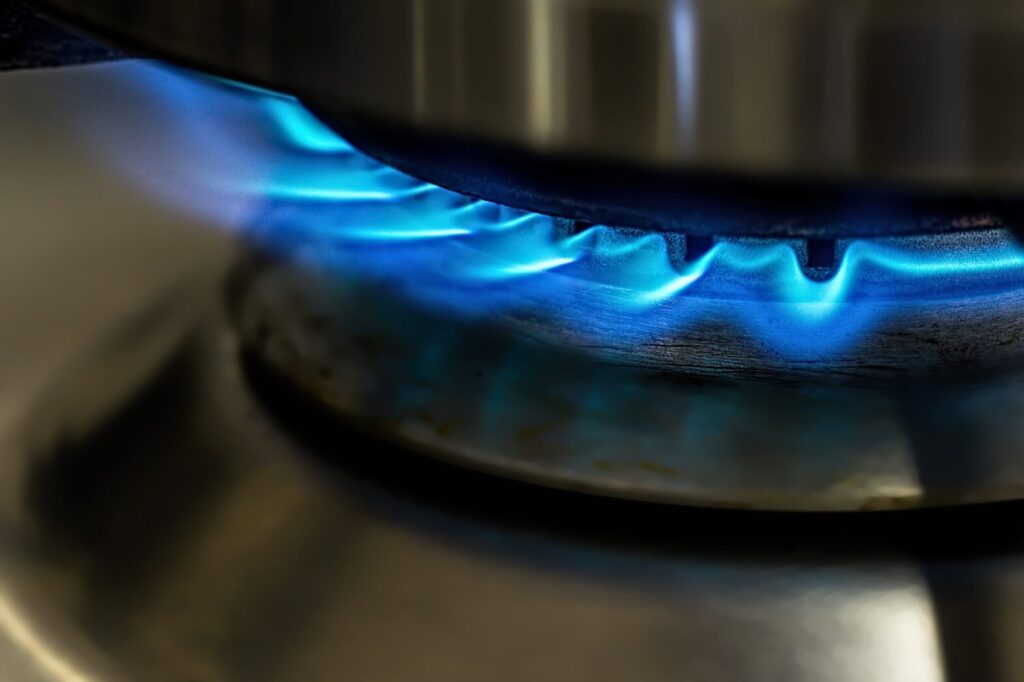
As you sit in your kitchen, cooking up a storm on your gas stove, it’s easy to take for granted the little things that can add up to make a big difference. One of those things is the efficiency of your stove. Did you know that some high-efficiency gas stoves can achieve an impressive 65% efficiency rate? That’s significantly higher than the average European standard of 52%, and even surpasses some older models.
But what does this mean for you, and more importantly, for the planet? Let’s dive into the numbers and explore just how much of a difference high-efficiency gas stoves can make.
The Numbers Don’t Lie: Calculating the Savings
When it comes to cooking with gas, there are some surprising statistics that will blow your mind. For example, if you estimate an average daily usage of 20 minutes per day on your gas stove and assume its lifespan is around 18.6 years, you can expect a significant reduction in energy consumption compared to older models.
According to calculations, the difference between high-efficiency gas stoves and their less efficient counterparts can be as staggering as 200 cubic meters of gas saved per household per year. That’s equivalent to the annual consumption of all Italy’s central power plants combined!
But what about on a larger scale? If we were to apply this same level of efficiency across all European households, the numbers get even more impressive. The estimated savings would be a whopping 2.2 billion cubic meters of gas per year – enough to power every household in Europe for an entire year.
To put these numbers into perspective, consider that a single high-efficiency gas stove can save you around $300-$500 per year on your energy bills. That’s money you can use to cook up more delicious meals or save for other expenses. Over the lifespan of the stove, this adds up to thousands of dollars in savings – enough to justify upgrading to a new, high-efficiency model.
The Environmental Impact: A Greener Alternative
So what does this mean for our beloved planet? Well, it turns out that cooking with high-efficiency gas stoves can have a significant impact on reducing greenhouse gas emissions. When we compare the two, it’s clear that gas stoves are a much cleaner option than their electric counterparts.
For instance, in many European countries, including Italy, most of the electricity is generated from central power plants that burn fossil fuels, resulting in an average efficiency rate of 35%. This means that up to 65% of the energy used by electric stoves is simply wasted.
In contrast, high-efficiency gas stoves use a staggering 65% of the energy they produce. This translates to significant savings on energy bills and a substantial reduction in carbon emissions. In fact, it’s estimated that cooking with gas can reduce CO2 emissions by millions of tons per year – enough to power millions of households for an entire year!
A New Era of Efficiency: Upgrading Your Stove
So how do you know if your current stove is worthy of an upgrade? Look for the following features:
- High-efficiency ratings
- Energy-saving technologies like igniters and burners
- Materials that reduce heat loss (e.g. copper or stainless steel)
When it comes to switching to a high-efficiency gas stove, think of it as upgrading from traditional rubbers to state-of-the-art aluminum faucets – making a significant impact on the environment.
Tips for Choosing the Right High-Efficiency Gas Stove
Choosing the right high-efficiency gas stove can be overwhelming with all the options available. Here are some tips to help you make an informed decision:
- Consider your cooking habits: If you cook frequently, you’ll need a stove that can handle high heat output and large quantities of food.
- Look for certifications: Look for stoves that have been certified by reputable organizations such as the International Association of Cookery Professionals (IACP) or the European Union’s Energy Labeling Scheme.
- Read reviews: Research different models online and read reviews from other customers to get a sense of their performance, durability, and any potential issues.
- Check the warranty: A good manufacturer should offer a comprehensive warranty that covers parts and labor for at least 5 years.
Common Mistakes to Avoid
When shopping for a high-efficiency gas stove, there are some common mistakes to avoid:
- Don’t compromise on efficiency: While it may be tempting to opt for a cheaper model, remember that a high-efficiency stove will save you money in the long run.
- Avoid cheap materials: Stoves made from low-quality materials can lead to reduced performance and increased maintenance costs over time.
- Don’t overlook safety features: Make sure your new stove has built-in safety features such as automatic shut-off, child safety locks, and heat-resistant surfaces.
Conclusion
In conclusion, cooking with high-efficiency gas stoves is not just a matter of saving money on your energy bills. It’s also an environmentally friendly option that can make a substantial difference in reducing greenhouse gas emissions. So next time you’re cooking up a storm, remember the little things that can add up to make a big impact.
Frequently Asked Questions
- What is the average efficiency rate of traditional gas stoves?
Traditionally, gas stoves had an average efficiency rate of around 55%. However, some newer models have achieved remarkable improvements in efficiency. - How much energy do high-efficiency gas stoves save per household per year?
According to calculations, high-efficiency gas stoves can save households up to 200 cubic meters of gas per year – equivalent to the annual consumption of all Italy’s central power plants combined! - What is the estimated environmental impact of switching from electric to gas stoves?
Cooking with gas can reduce CO2 emissions by millions of tons per year, making it a significantly greener option than traditional electric stoves. - How much do high-efficiency gas stoves cost compared to traditional models?
While high-efficiency gas stoves may be more expensive upfront, they offer significant long-term savings on energy bills and can pay for themselves over time. - What are some tips for choosing the right high-efficiency gas stove for your kitchen?
Look for features like high-efficiency ratings, energy-saving technologies, and materials that reduce heat loss (e.g. copper or stainless steel). - Can I still use my current stove after upgrading to a high-efficiency model?
It’s recommended that you upgrade to a new high-efficiency gas stove instead of modifying your existing one. New stoves offer improved performance, safety features, and efficiency. - Are there any government incentives or tax credits available for installing high-efficiency gas stoves?
Yes, some governments offer incentives and tax credits for installing energy-efficient appliances like high-efficiency gas stoves.
The Future of Cooking: How High-Efficiency Gas Stoves Will Shape the Industry
As we look to the future, it’s clear that high-efficiency gas stoves will play an increasingly important role in reducing our carbon footprint. With advancements in technology and manufacturing processes, we can expect even more efficient stoves to hit the market.
In fact, some companies are already working on developing stoves that use advanced materials like graphene or nanomaterials to improve efficiency and reduce emissions. These innovative technologies have the potential to revolutionize the way we cook and could make a significant impact on reducing greenhouse gas emissions.
As consumers become more aware of the environmental benefits of high-efficiency gas stoves, we can expect to see increased demand for these appliances. Governments and manufacturers will also need to respond to this growing demand by investing in research and development, as well as implementing policies that support the adoption of energy-efficient technologies.
In conclusion, cooking with high-efficiency gas stoves is not just a matter of saving money on your energy bills. It’s also an environmentally friendly option that can make a substantial difference in reducing greenhouse gas emissions. As we look to the future, it’s clear that these innovative appliances will play an increasingly important role in shaping the industry and reducing our carbon footprint.


