
Introduction
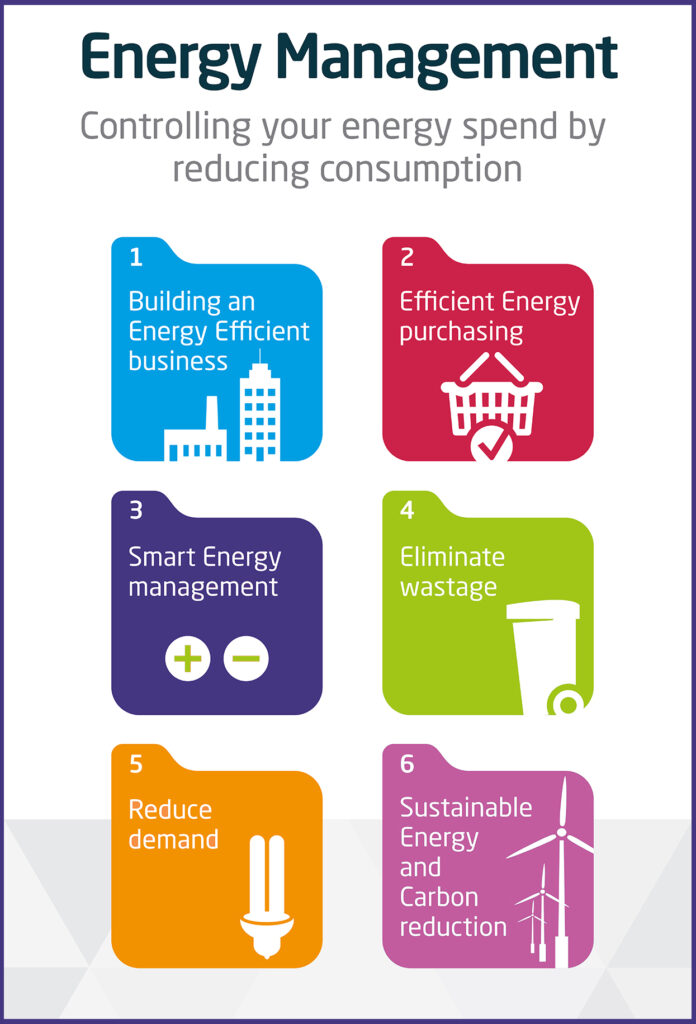
In today’s world, energy consumption is a major concern for companies looking to reduce costs and improve their bottom line. With the increasing demand for electricity and the rising costs of energy, it’s more important than ever to adopt efficient practices and technologies that can help reduce energy waste. In this article, we’ll explore the concept of energy management and how companies can implement strategies to save energy, reduce costs, and increase efficiency.
The Importance of Energy Management
Energy management is a critical aspect of any business operation, as it directly affects a company’s profitability and competitiveness in the market. By implementing effective energy management practices, companies can reduce their energy consumption, lower their energy bills, and create a more sustainable future for themselves and the environment.
But how does one get started with energy management? The answer lies in understanding the basics of energy consumption and identifying areas where improvements can be made. In this article, we’ll explore the key aspects of energy management, including assessment of energy consumption, energy intelligence tools, IT in energy management, and optimization techniques for HVAC-R systems.
Assessment of Energy Consumption
The first step in any energy management strategy is to assess your company’s current energy consumption patterns. This involves identifying areas where energy is being wasted and determining the opportunities for improvement. By conducting an energy audit, you can identify potential issues such as:
- Inefficient lighting systems
- Overheating or overcooling of buildings
- Leaks in insulation and piping systems
- Poorly maintained equipment
Energy Intelligence Tools
Once you’ve identified areas where improvements can be made, the next step is to implement energy intelligence tools that can help monitor and control energy usage. These tools can include:
- Energy meters and monitoring systems
- Building management systems (BMS)
- Energy-efficient lighting controls
- HVAC-R optimization software
By using these tools, you can gain a better understanding of your company’s energy consumption patterns and make data-driven decisions to optimize energy usage.
IT in Energy Management
The increasing adoption of information technology (IT) has brought significant benefits to the field of energy management. IT solutions can help companies:
- Optimize energy consumption through predictive analytics
- Improve building efficiency through automation
- Enhance maintenance operations through remote monitoring and control
Some examples of IT solutions for energy management include:
- Data center optimization software
- Energy-efficient data center design and construction
- IoT-based energy management systems
HVAC-R Optimization
Heating, ventilation, air conditioning, and refrigeration (HVAC-R) systems are critical components of any commercial building. However, these systems can also be significant energy consumers if not optimized properly. By implementing energy-efficient HVAC-R systems and optimizing their performance, companies can reduce their energy consumption and save on energy costs.
Some strategies for optimizing HVAC-R systems include:
- Conducting regular maintenance and tune-ups
- Implementing energy-efficient equipment and upgrades
- Optimizing system settings and schedules
Cogeneration Systems
Another innovative solution for reducing energy consumption is cogeneration. Cogeneration involves generating both electricity and heat from a single fuel source, such as natural gas or biomass. This can significantly reduce energy costs and improve overall building efficiency.
Some benefits of cogeneration systems include:
- Reduced energy bills
- Increased building comfort and productivity
- Improved environmental sustainability
Challenges in Energy Management
While energy management offers numerous benefits, there are also challenges that companies may face when implementing these strategies. Some common challenges include:
- High upfront costs for energy-efficient equipment and technologies
- Lack of training and expertise among staff members
- Limited access to funding and resources
- Resistance from stakeholders who prioritize short-term gains over long-term sustainability
Conclusion
Energy management is a critical aspect of any business operation, and by implementing effective strategies and technologies, companies can reduce energy consumption, lower costs, and create a more sustainable future. In this article, we’ve explored the key aspects of energy management, including assessment of energy consumption, energy intelligence tools, IT in energy management, and optimization techniques for HVAC-R systems.
By adopting these strategies, companies can take control of their energy usage and make informed decisions about their operations. Whether you’re looking to reduce costs, improve efficiency, or create a more sustainable future, energy management is an essential step towards achieving your goals.
Case Studies
- Siemens: A leading manufacturer of industrial automation systems, Siemens has implemented an energy management system that optimizes energy consumption across its global facilities.
- IKEA: The Swedish furniture retailer has reduced its energy consumption by 21% through the implementation of a comprehensive energy management plan.
- Amazon: The e-commerce giant has implemented a cogeneration system that generates both electricity and heat from natural gas, reducing its energy costs and increasing its sustainability.
Best Practices
To ensure successful implementation of an energy management strategy, companies should follow these best practices:
- Conduct regular energy audits to identify areas for improvement
- Implement energy-efficient technologies and equipment
- Optimize HVAC-R systems and optimize system settings and schedules
- Use IT solutions to monitor and control energy usage
- Engage stakeholders in the decision-making process and prioritize sustainability
By following these best practices, companies can unlock the full potential of their energy management strategy and achieve significant savings on energy costs.
FAQs
- What is energy management?
Energy management refers to the process of optimizing energy consumption in buildings and industrial facilities. It involves identifying areas where improvements can be made and implementing strategies to reduce energy waste. - How can I assess my company’s energy consumption patterns?
To assess your company’s energy consumption patterns, conduct an energy audit by identifying areas where energy is being wasted and determining opportunities for improvement. - What are some common energy intelligence tools used in energy management?
Some common energy intelligence tools used in energy management include energy meters, building management systems (BMS), energy-efficient lighting controls, and HVAC-R optimization software. - How can IT solutions be used in energy management?
IT solutions can help optimize energy consumption through predictive analytics, improve building efficiency through automation, and enhance maintenance operations through remote monitoring and control. - What are some strategies for optimizing HVAC-R systems?
Some strategies for optimizing HVAC-R systems include conducting regular maintenance and tune-ups, implementing energy-efficient equipment and upgrades, and optimizing system settings and schedules. - What is cogeneration?
Cogeneration involves generating both electricity and heat from a single fuel source, such as natural gas or biomass. - How can I save money on energy costs by implementing energy management strategies?
By reducing energy consumption through effective implementation of energy management strategies, companies can lower their energy bills and create a more sustainable future. - What are some benefits of adopting an energy management system?
Some benefits of adopting an energy management system include reduced energy consumption, improved building efficiency, increased building comfort and productivity, and improved environmental sustainability.
We hope this article has provided valuable insights into the world of energy management and inspired you to take action towards creating a more sustainable future.


